All journeys Traveller Type
Solo travellers
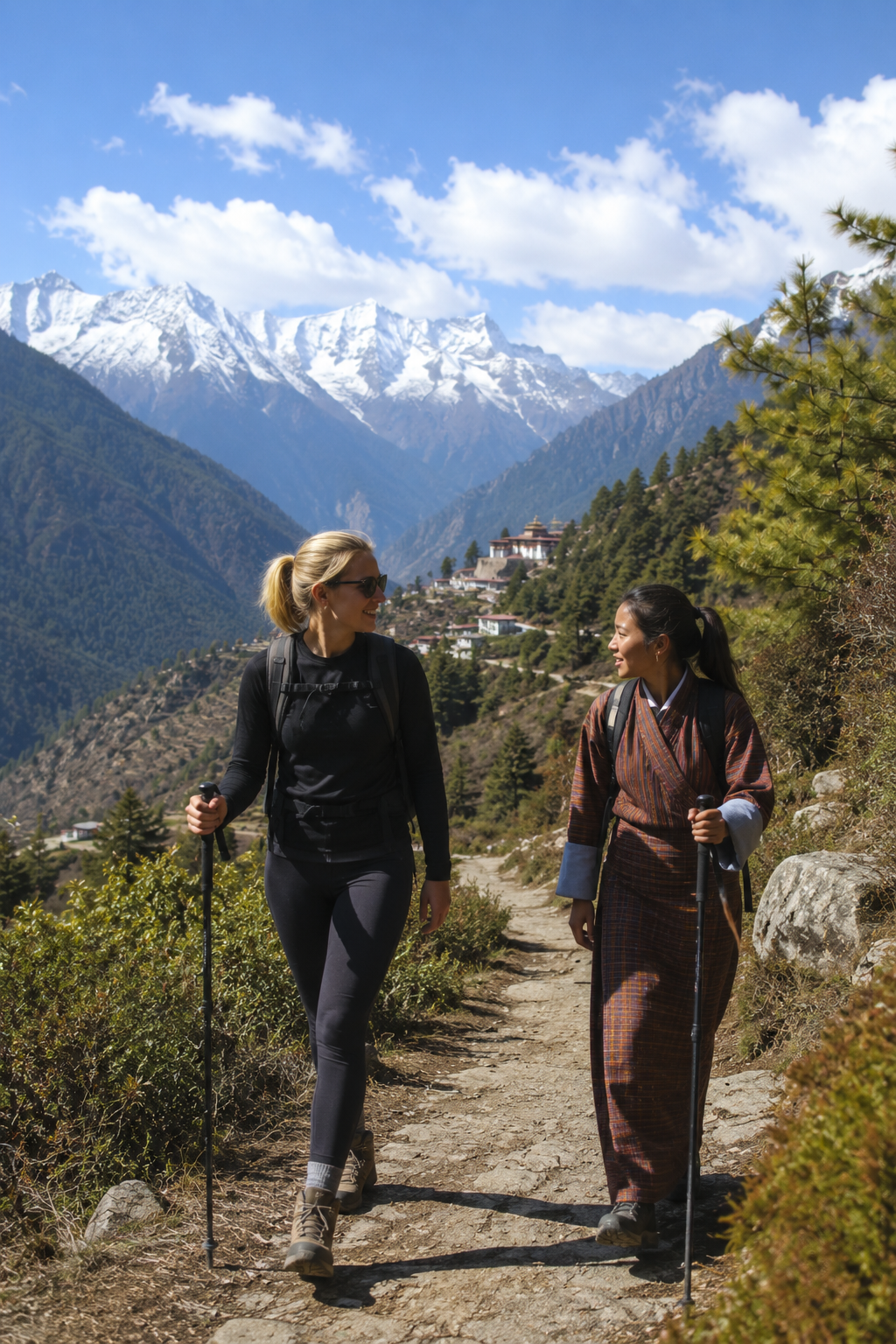
Travel Bhutan entirely on your own terms, with the freedom to follow your interests, take your time and go where curiosity leads.
The Idea
Solo holidays
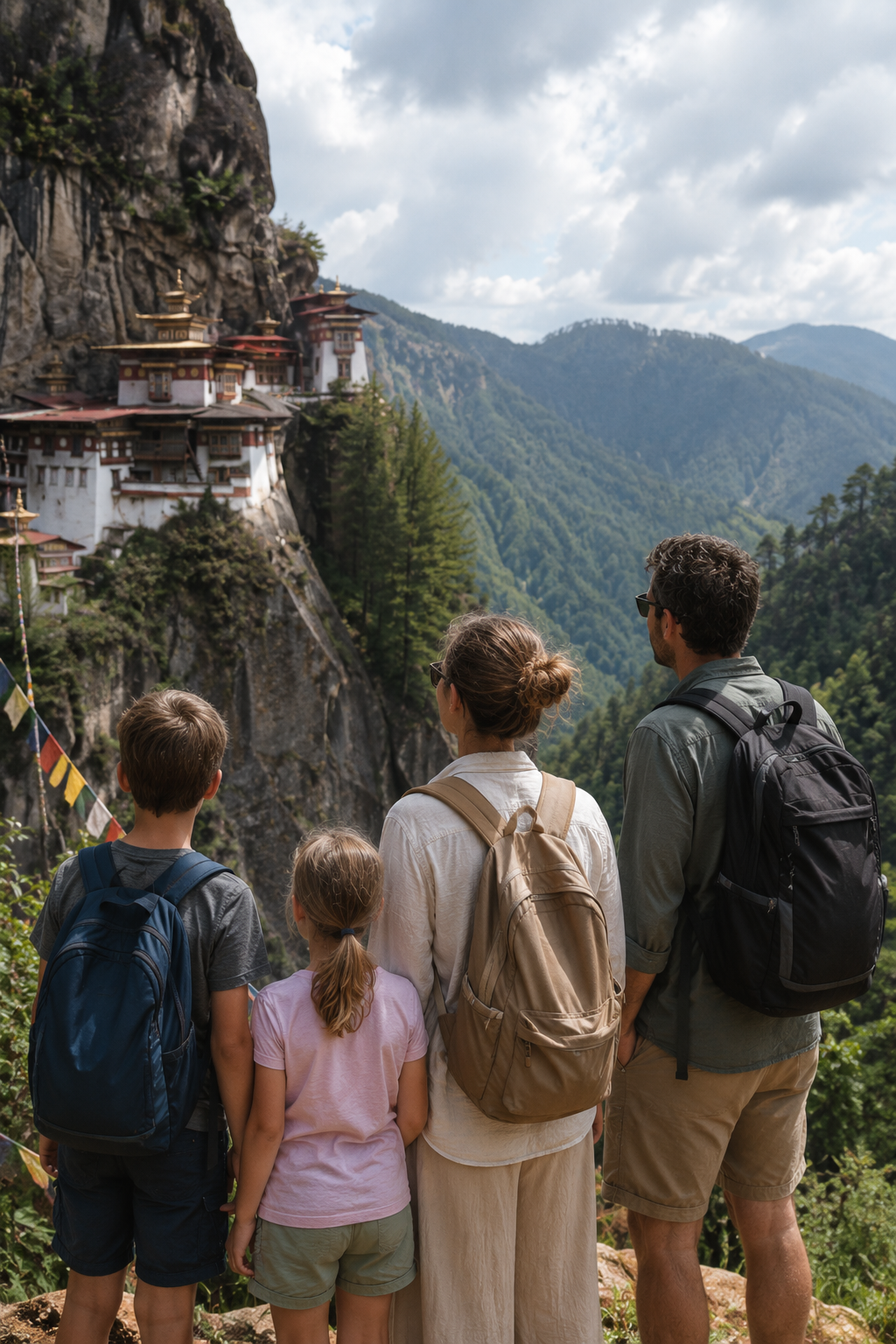
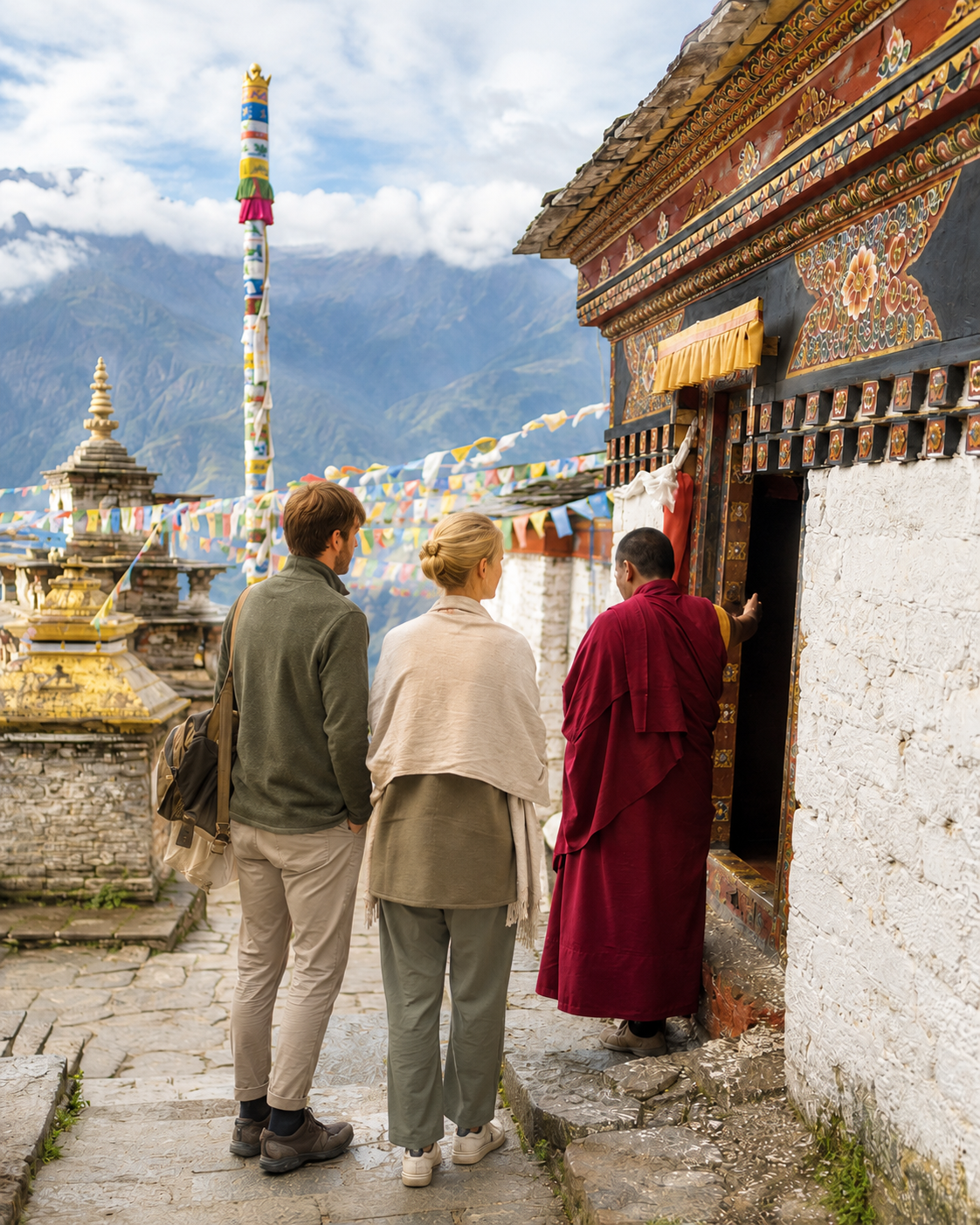
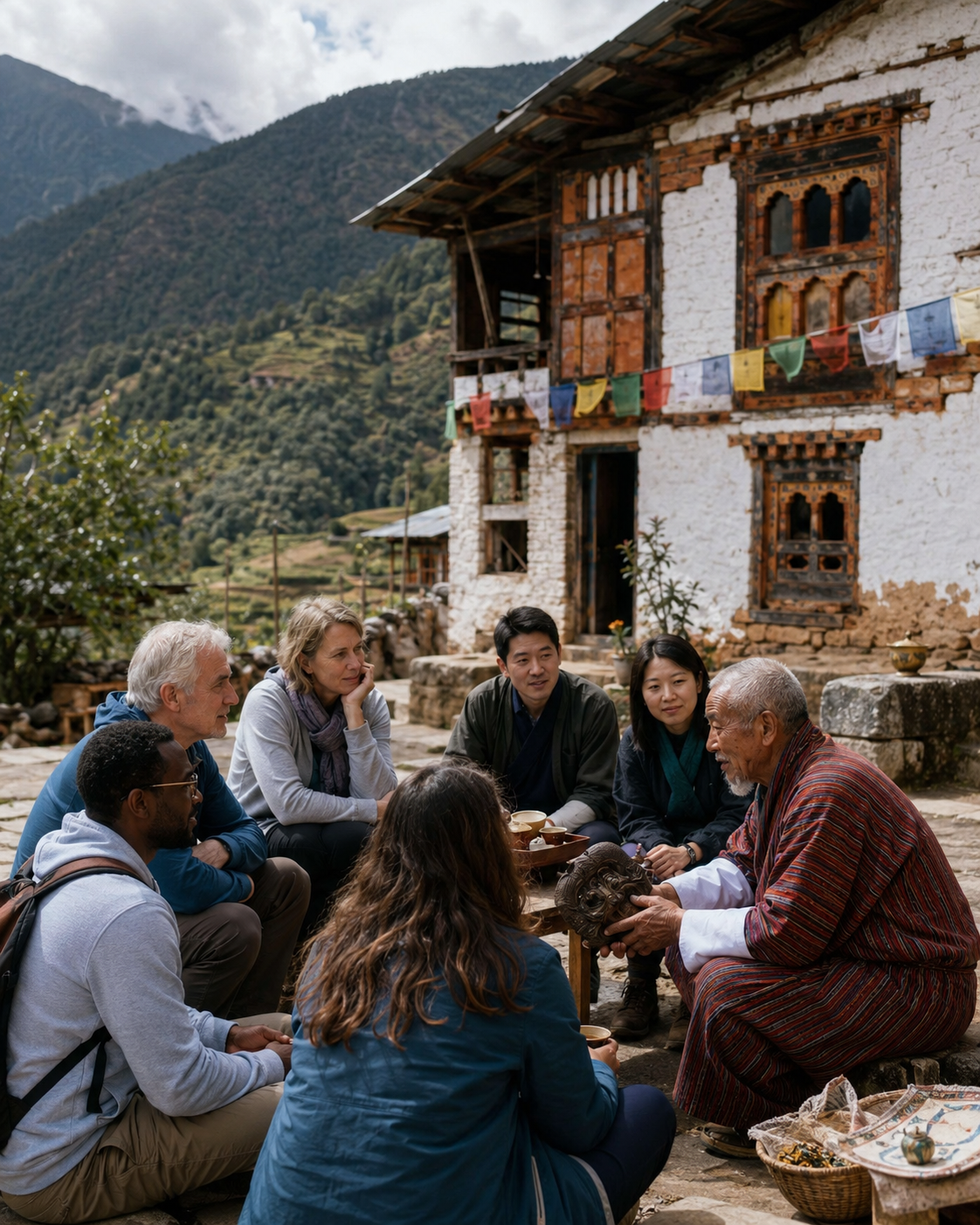
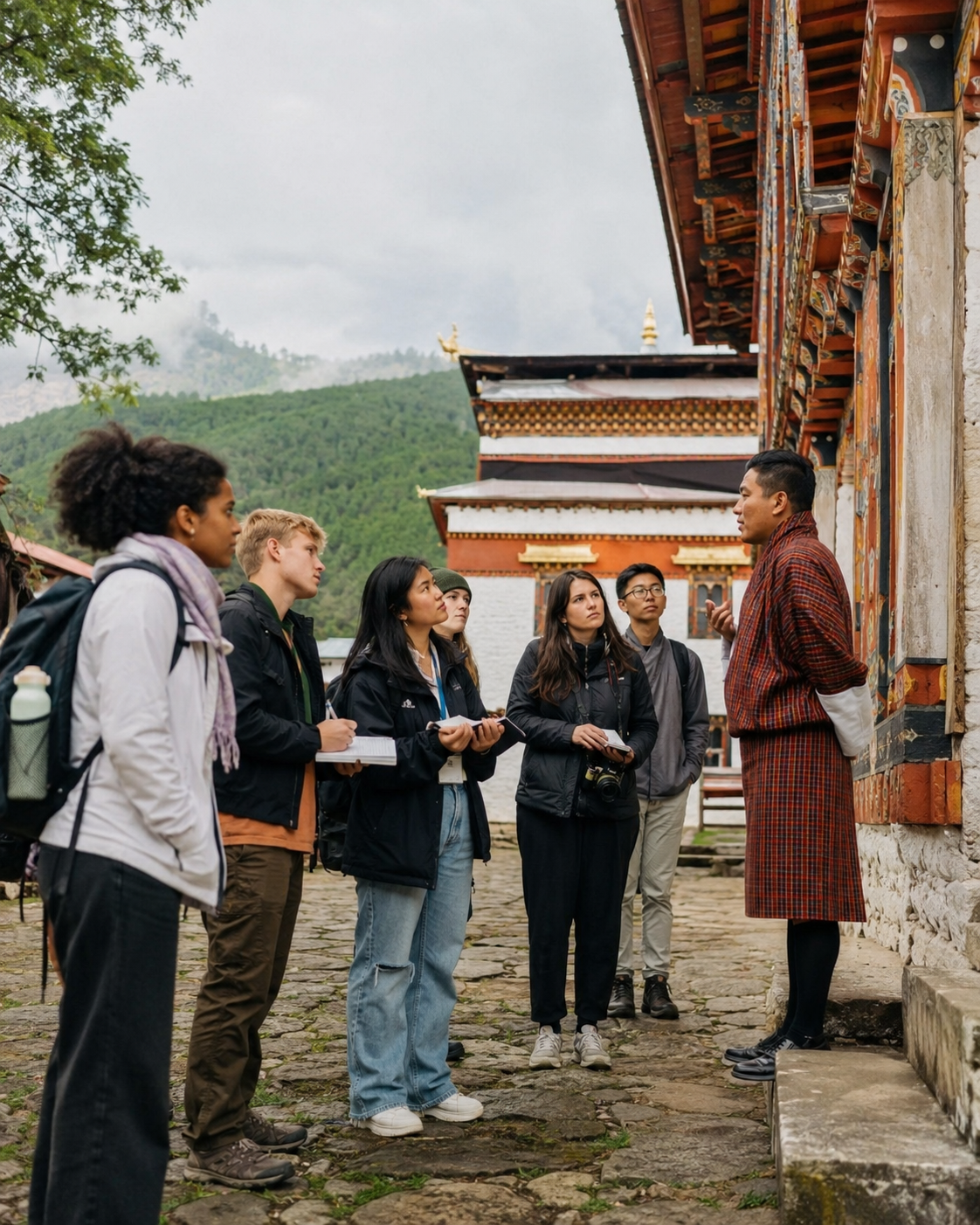
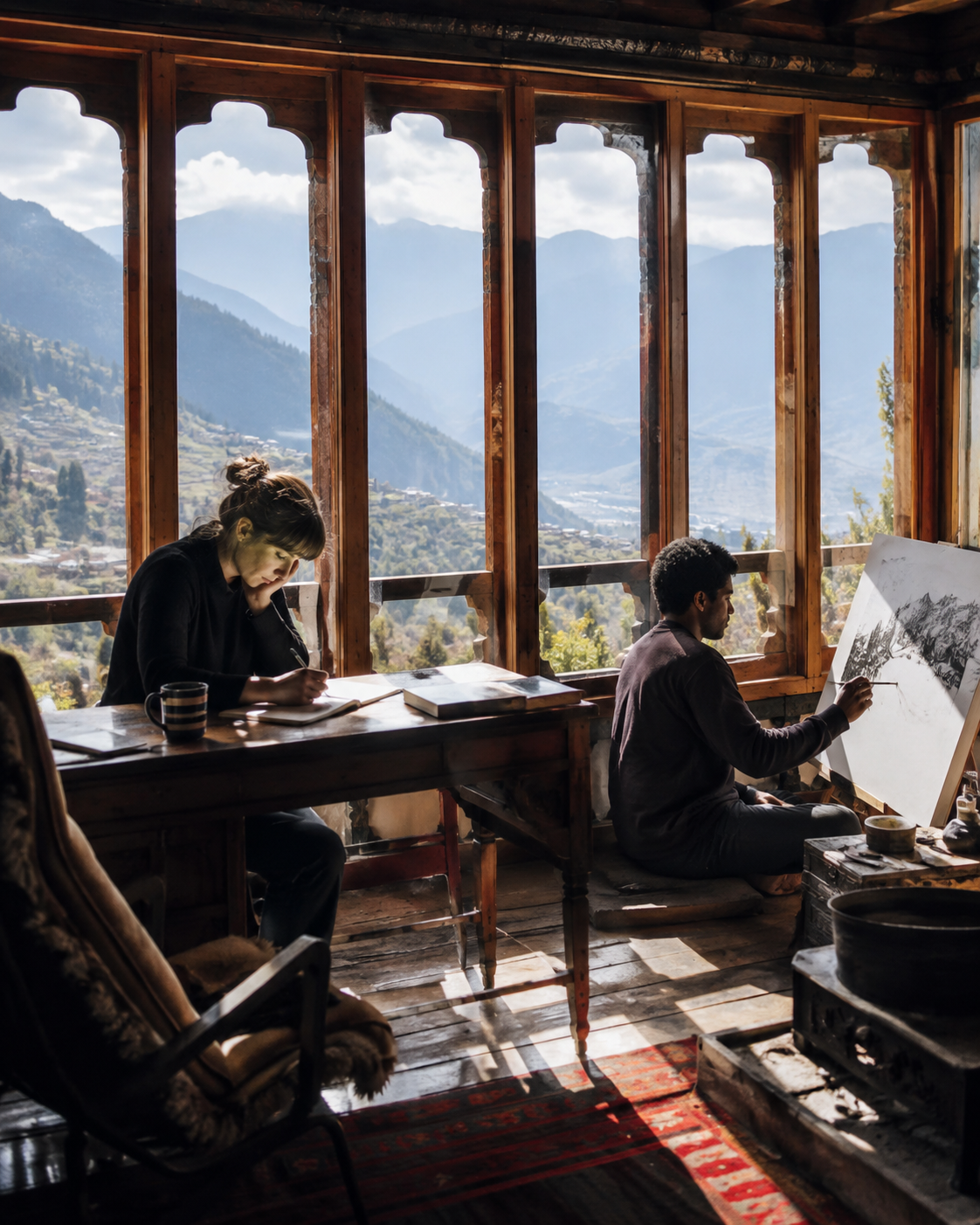
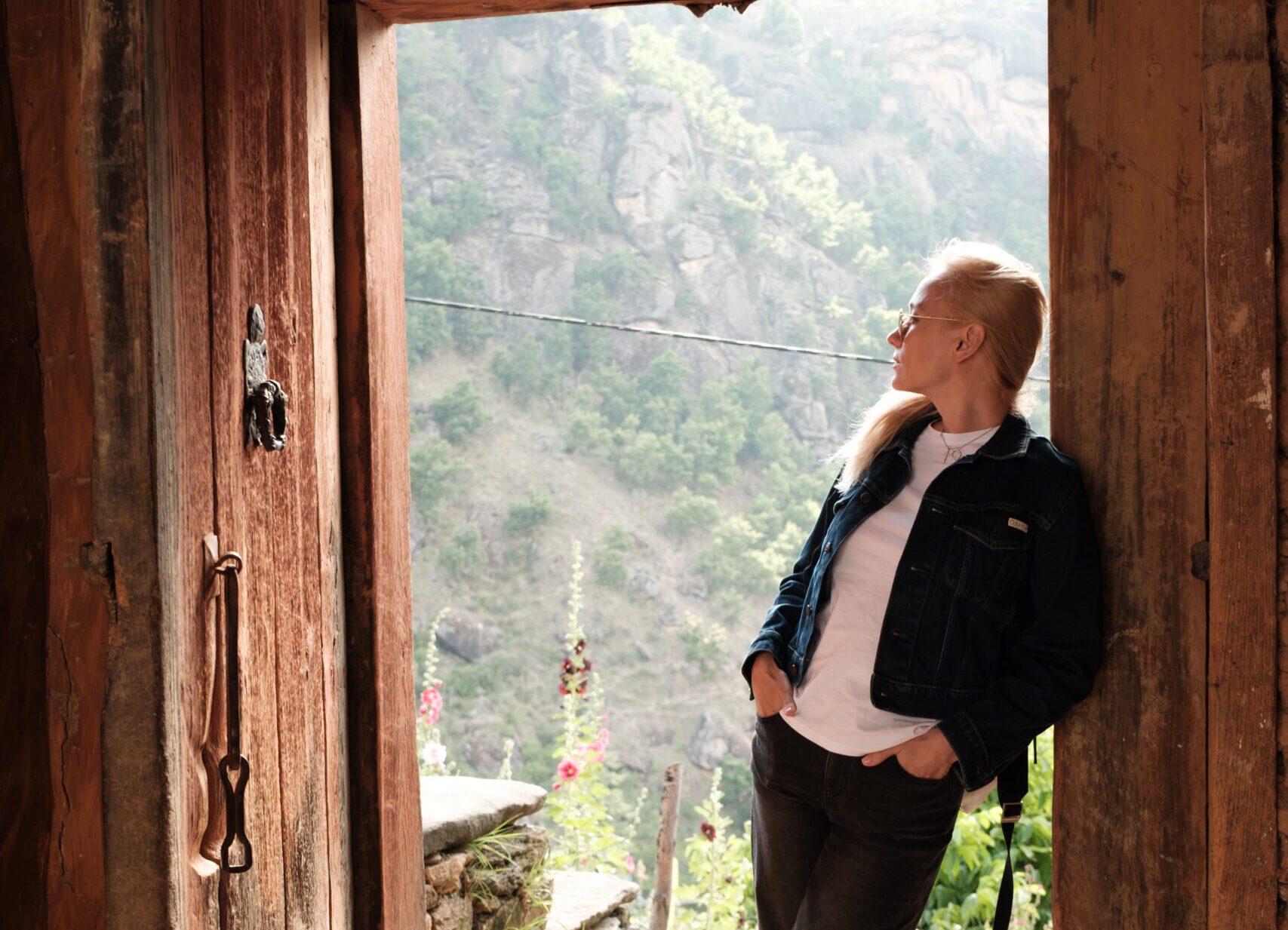
Bhutan is an unusually good place to travel alone: safe, calm and full of the kind of encounters that reward curiosity. Our solo journeys are designed for travellers who want the freedom of going alone without sacrificing comfort, access or company when it matters. We shape the pace around you, balancing independence with the reassurance of a brilliant guide, thoughtful hosts and a journey that never feels lonely.
Journeys
Journeys to consider
A starting point — the crafted journeys our travellers return to, each an invitation we shape further around you.
Gatherings
Moments worth
travelling for
Festivals, ceremonies and set-piece experiences we can weave into your days — chosen to suit the way you like to travel.
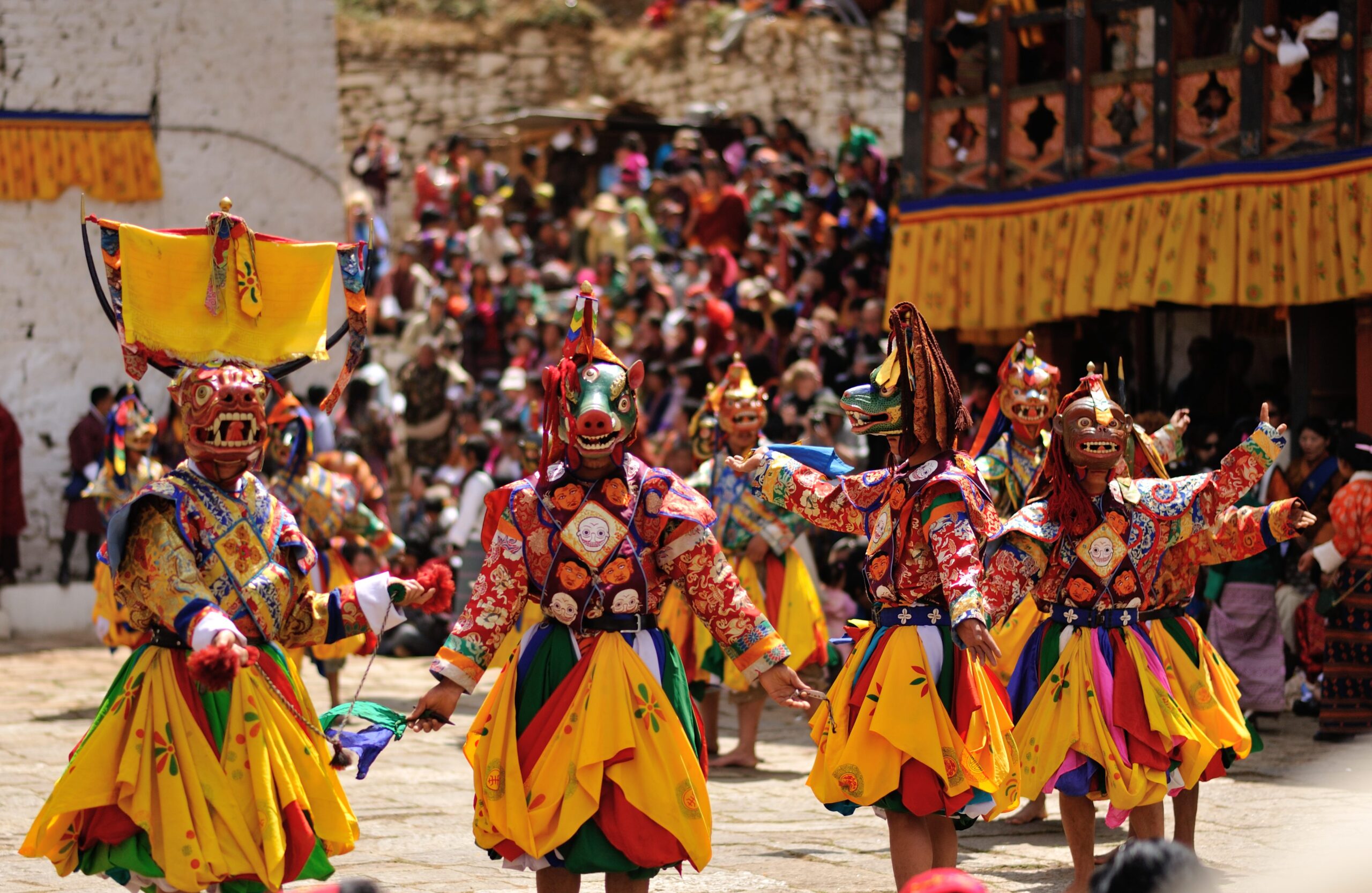
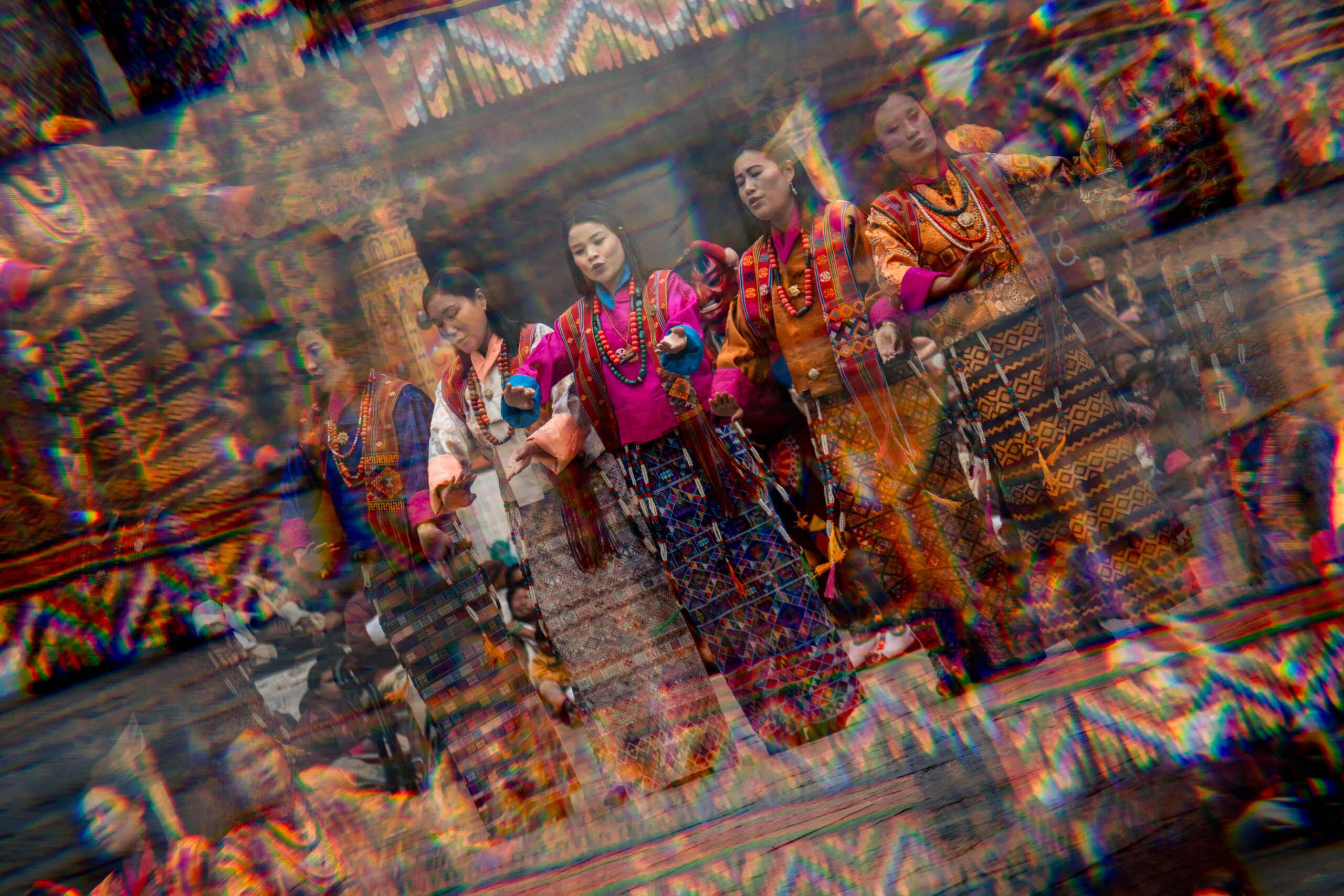
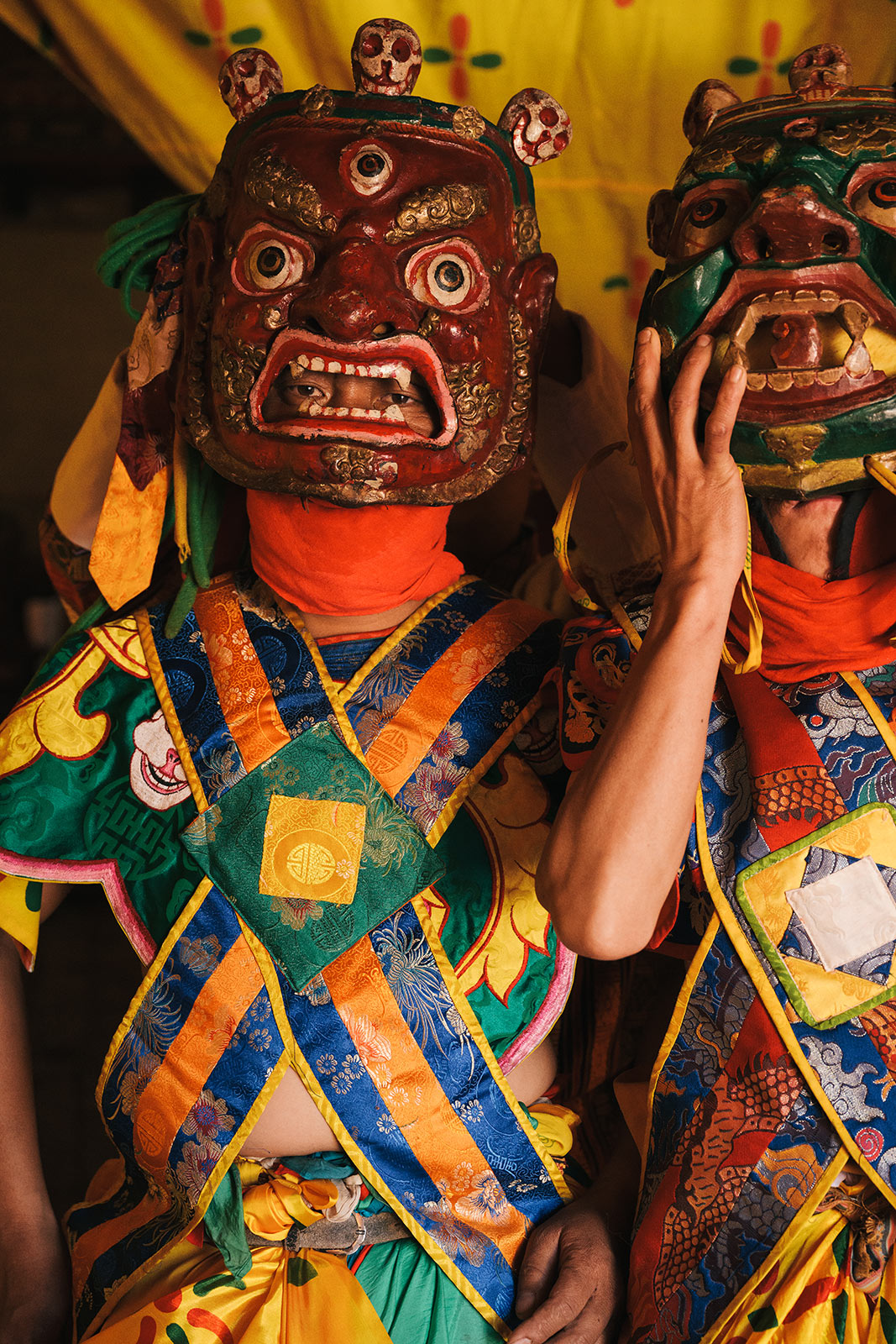
Masked festival Paro Tshechu
Spring · Mar–Apr
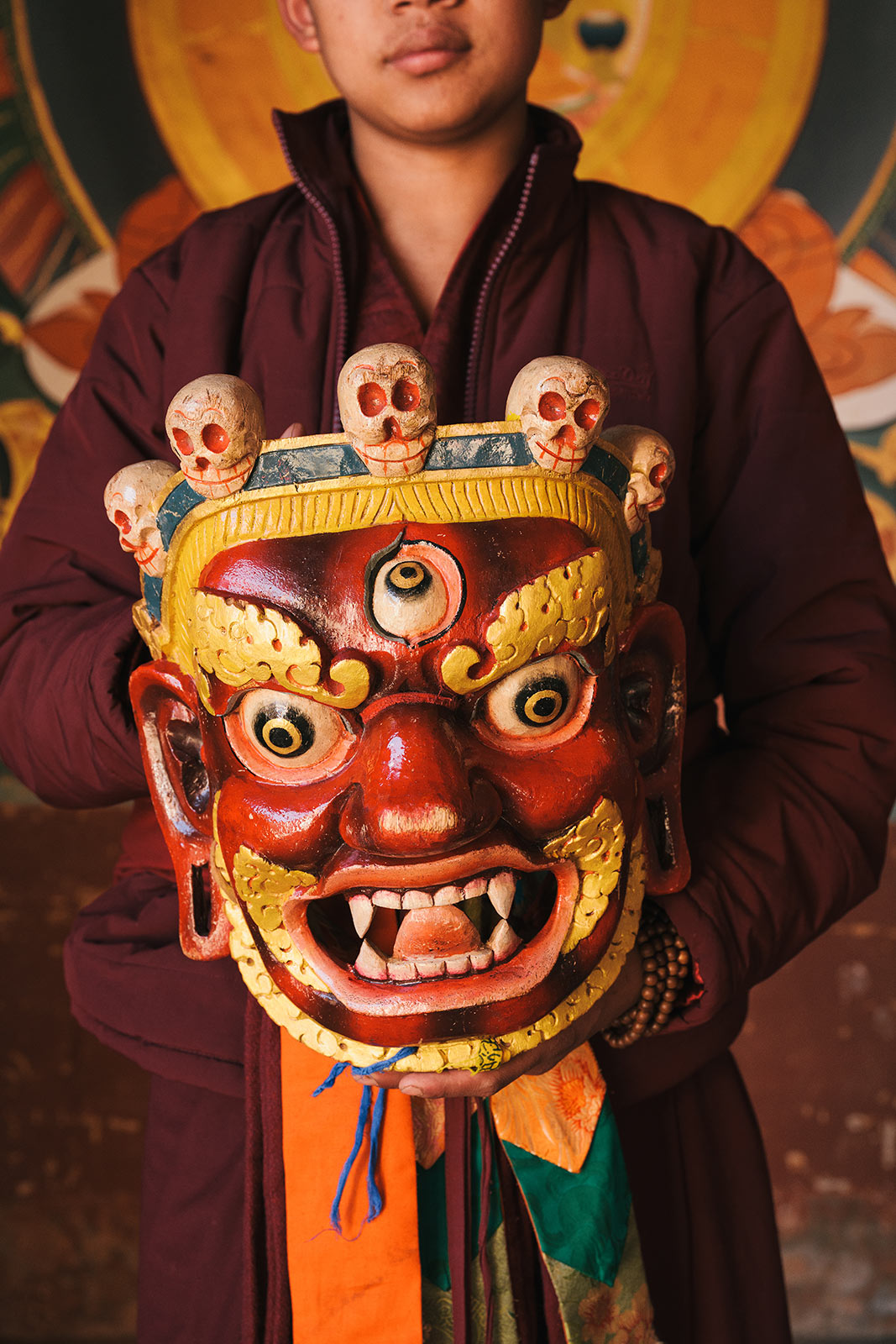
The valley gathers for days of masked cham dances in the courtyard of Rinpung Dzong — colour, drum and centuries of ritual, watched from seats we hold for you.
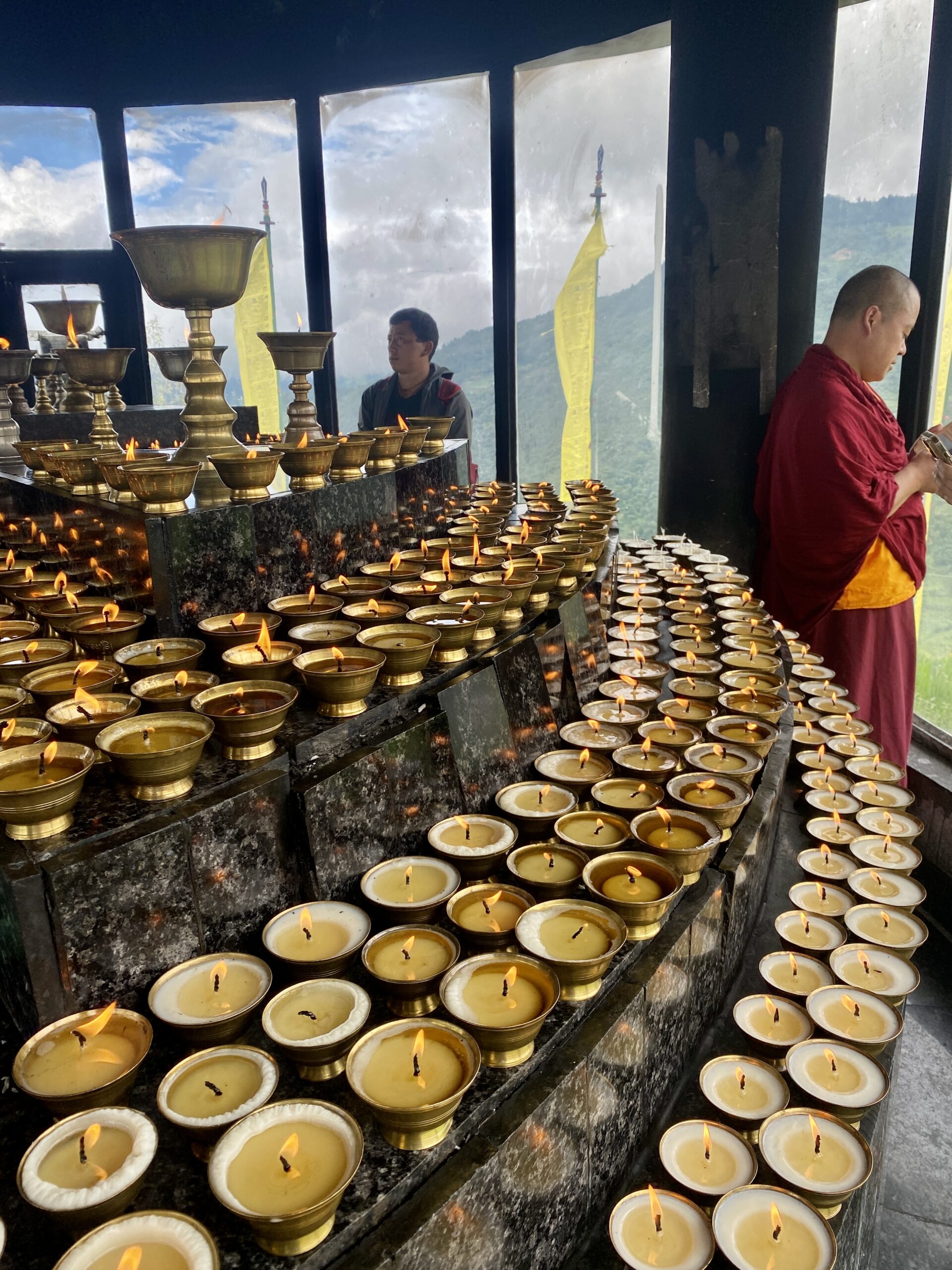
Ceremony A private butter-lamp blessing
Year-round
A quiet ceremony arranged just for you — monks chant, a hundred lamps are lit, and a personal intention is offered for the journey ahead.
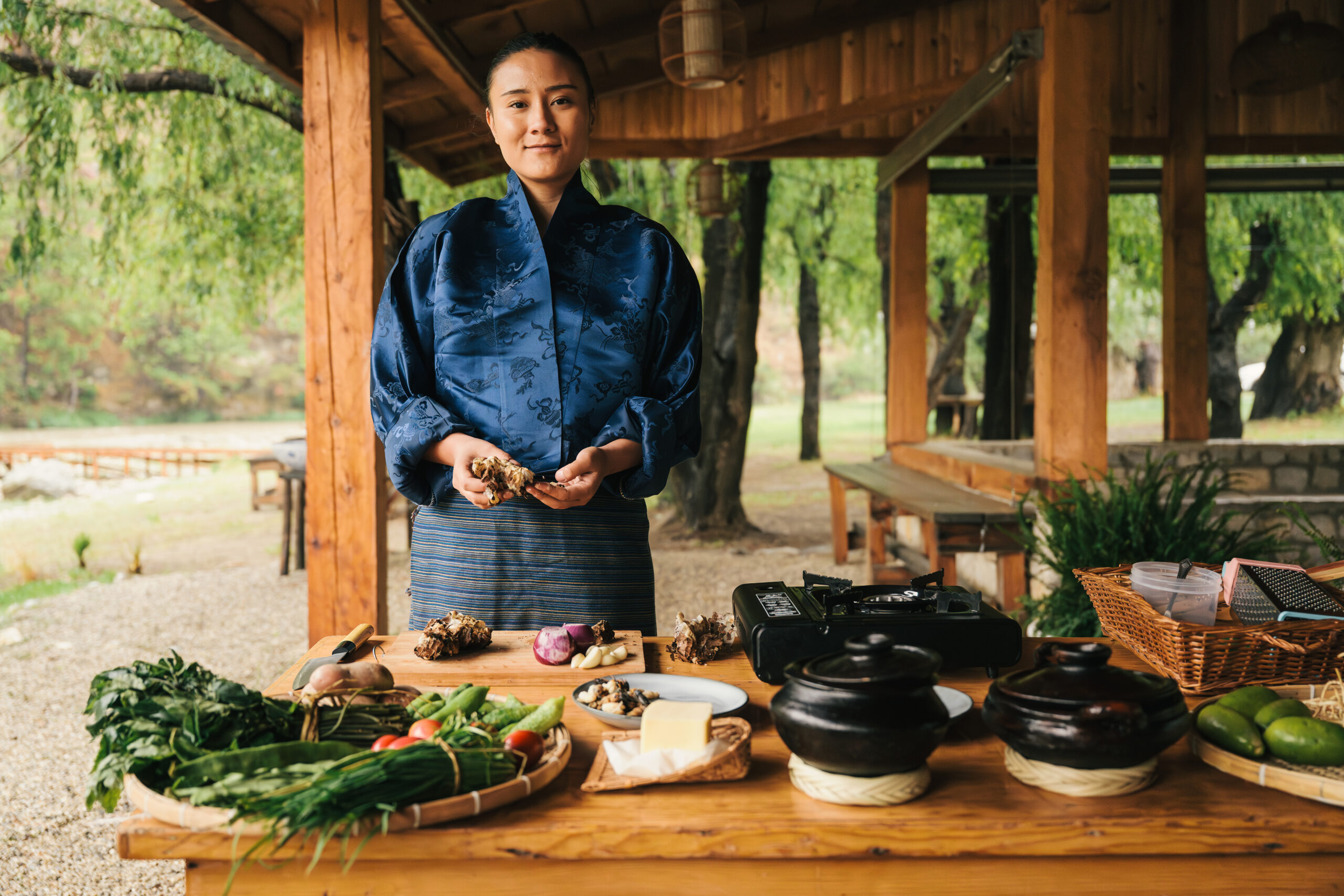
Shared table A farmhouse feast
Year-round
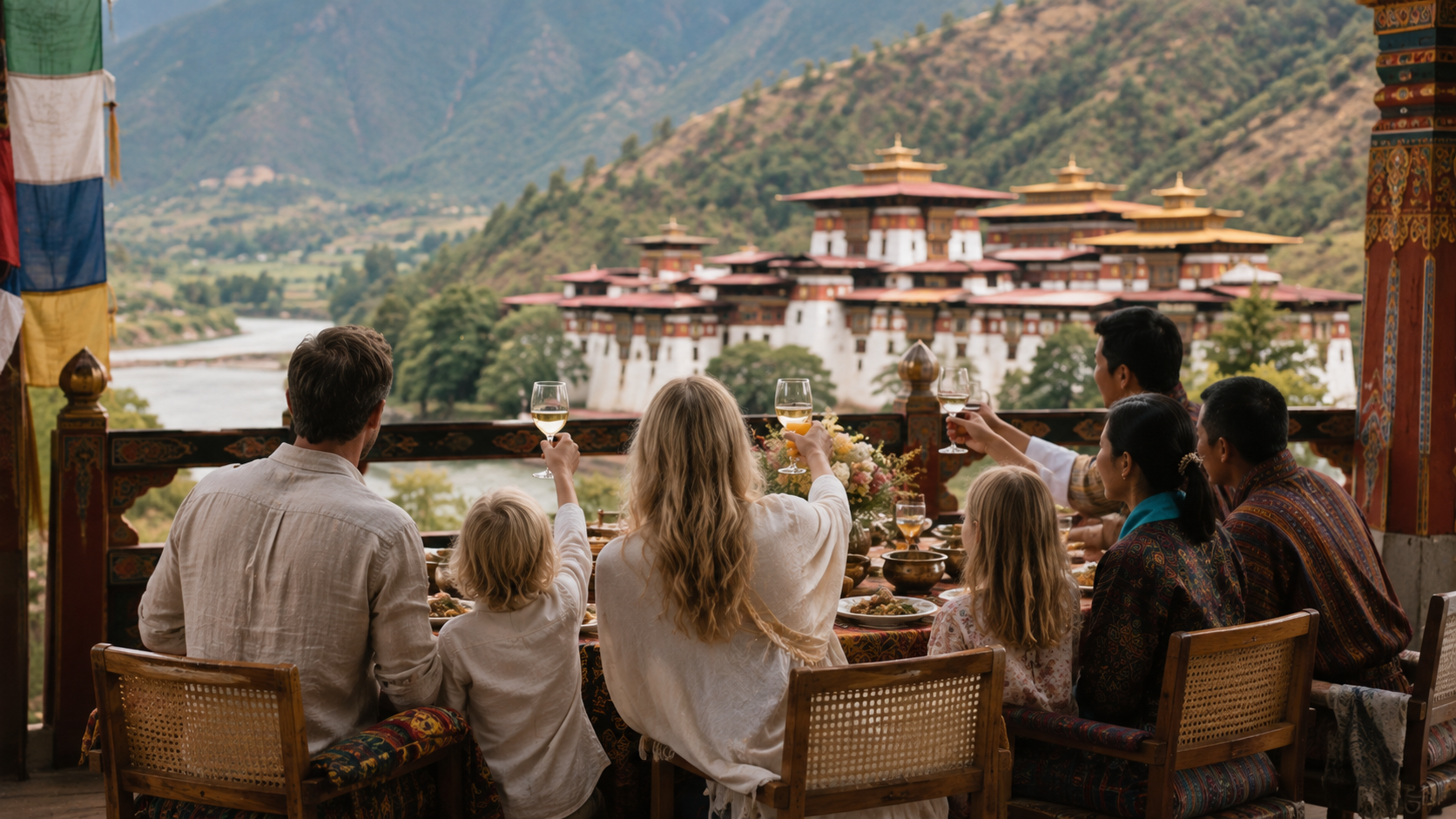
An evening in a family farmhouse — red rice, ema datshi and ara by the bukhari stove, with stories that turn hosts into friends.
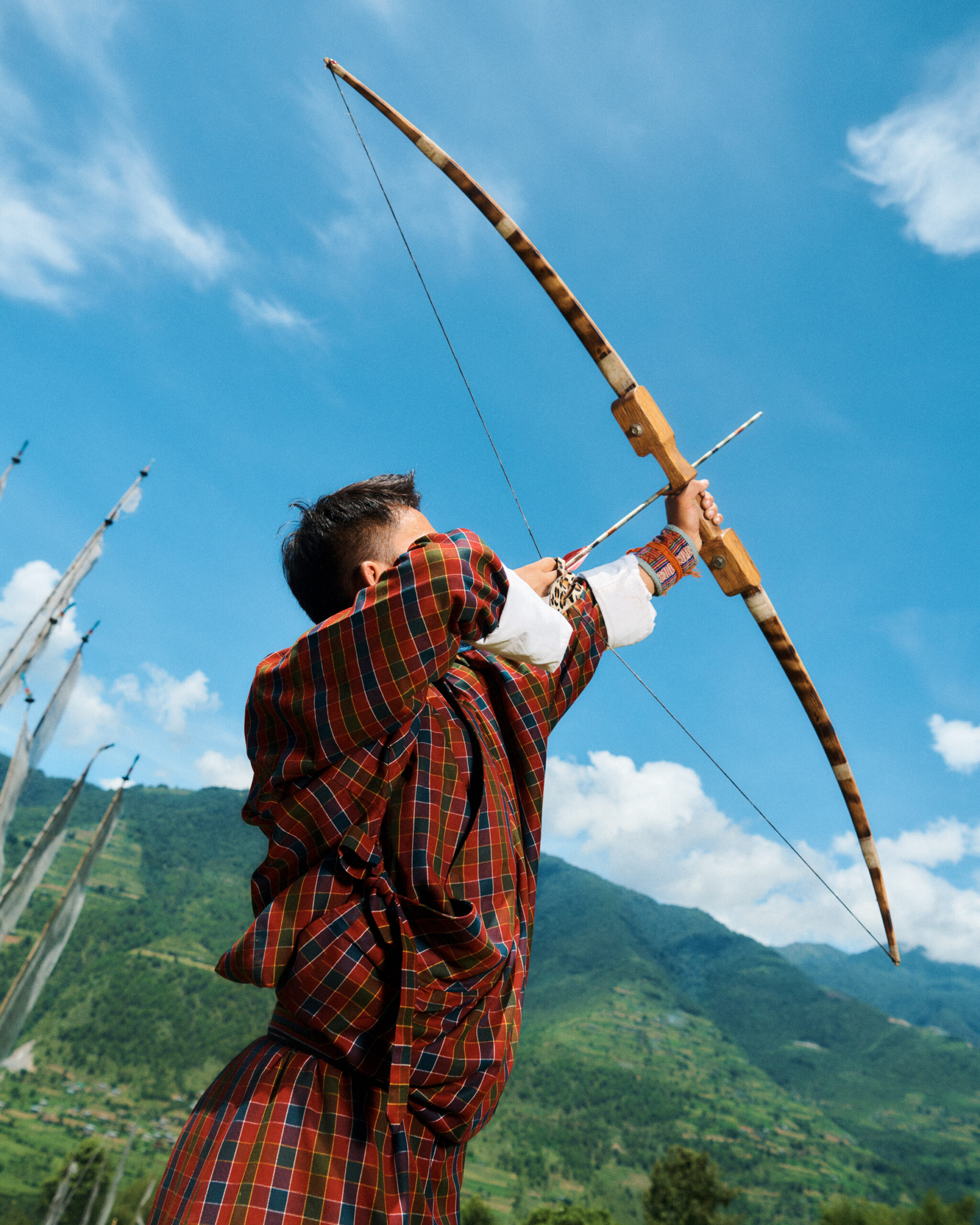
Living tradition An afternoon of archery
Year-round
Bhutan's national sport, up close — the whistle of the arrow, the teasing songs between teams, and a bow placed in your own hands.
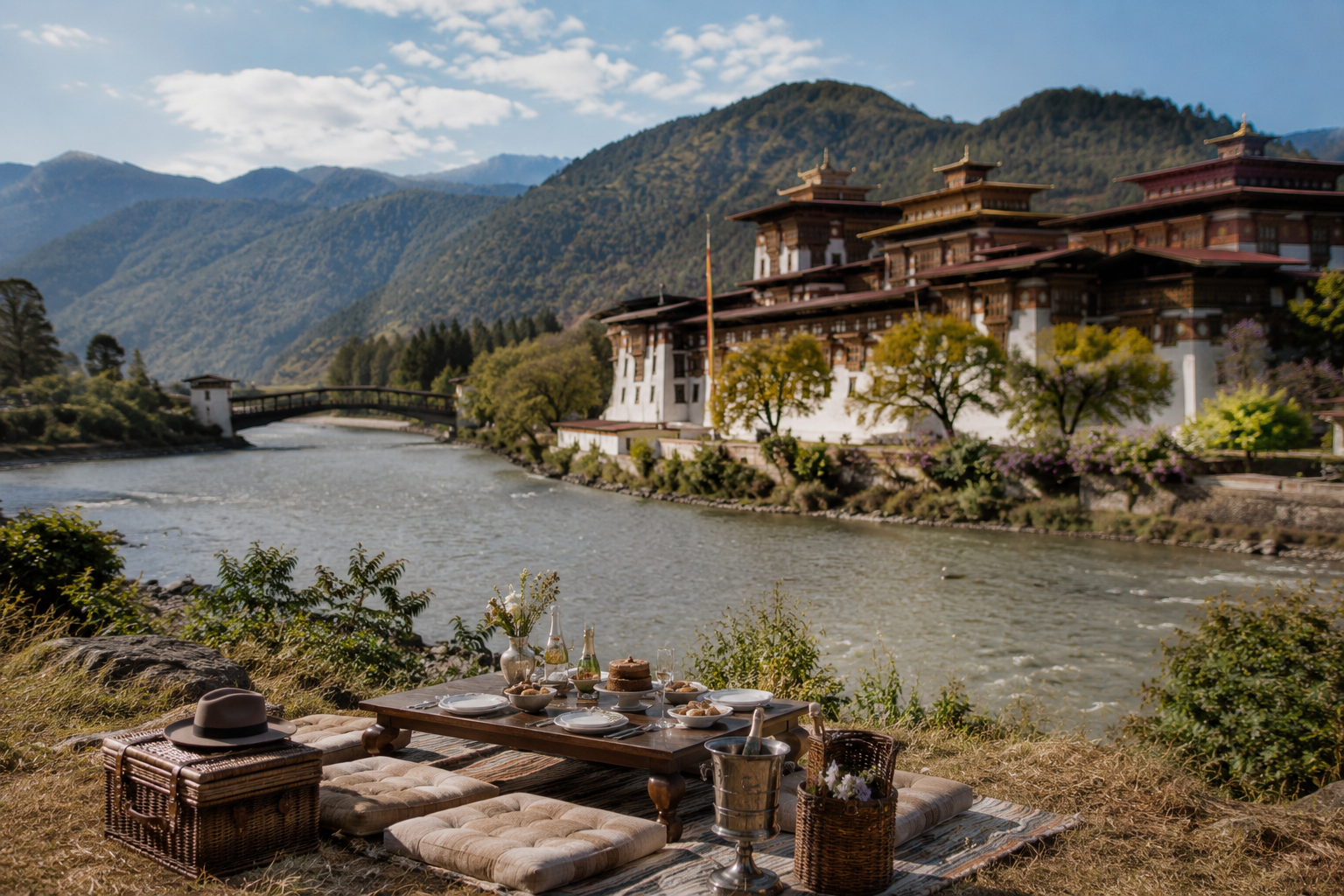
Slow luxury A riverside picnic
Spring & Autumn
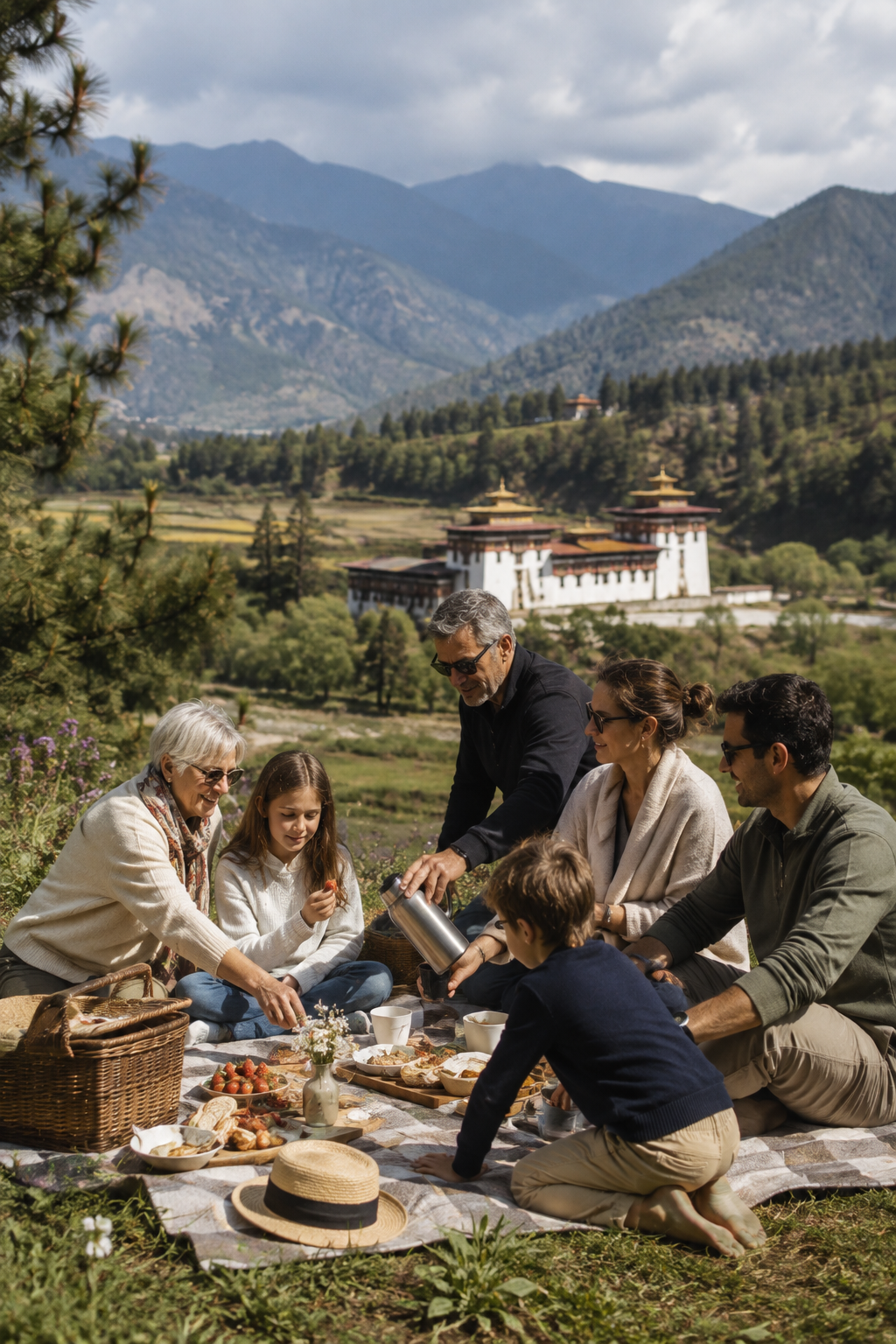
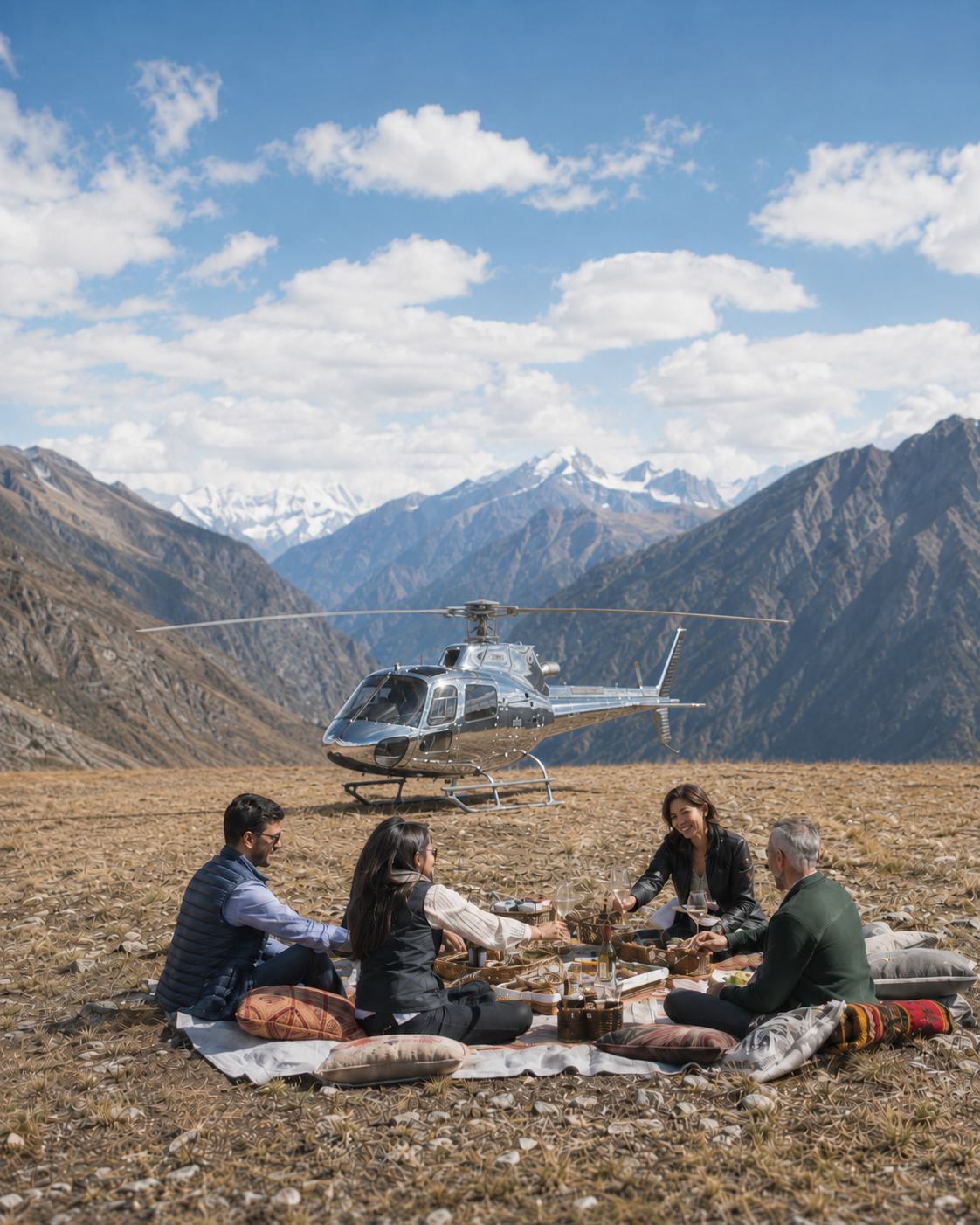
A long table set on a river bend, lunch cooked over open flame, and an afternoon with nowhere to be but here.
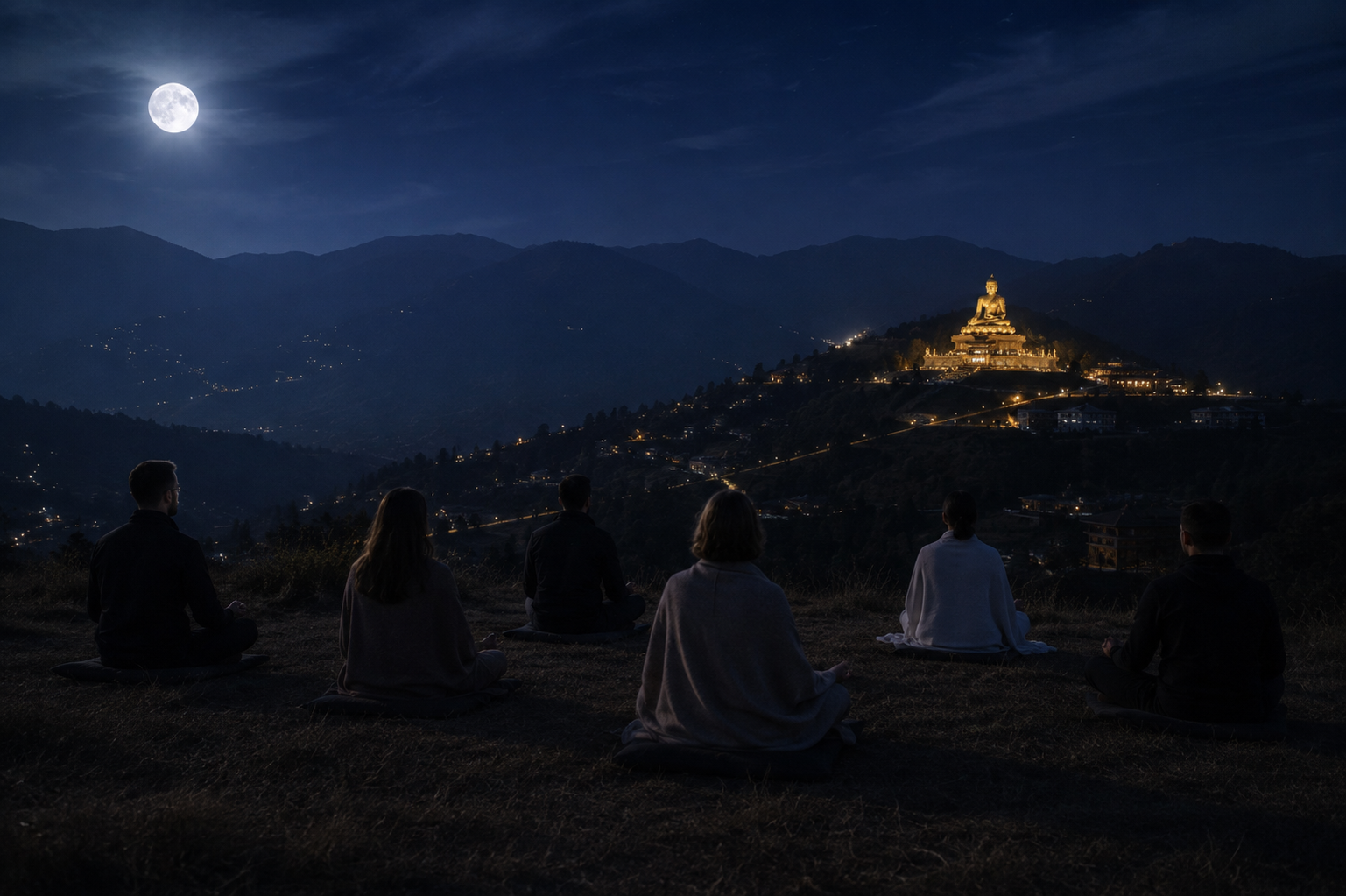
Stillness Full-moon meditation
Monthly · full moon
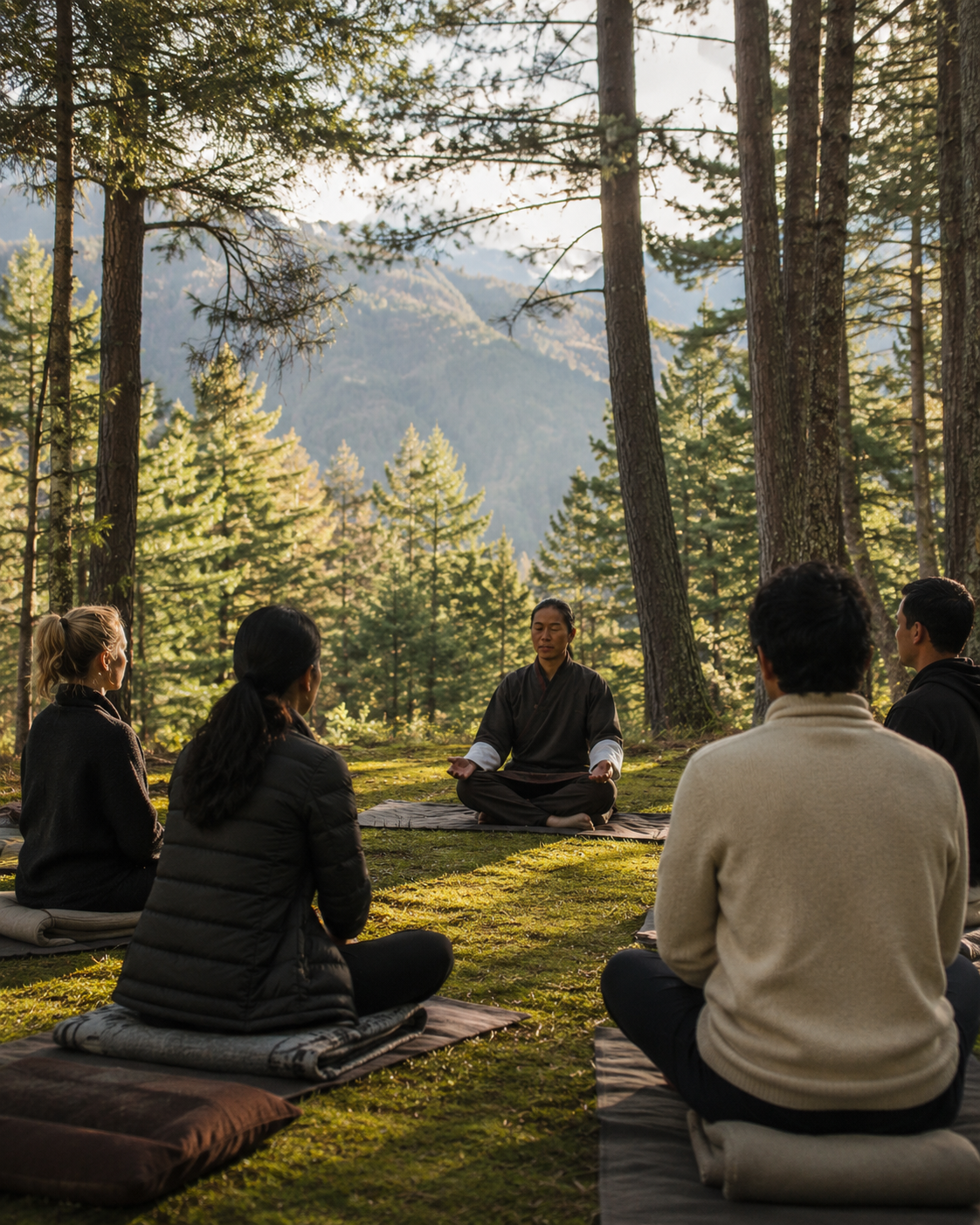
A guided sit under the clearest of skies, led by a practitioner who lets the mountains and the silence do most of the teaching.
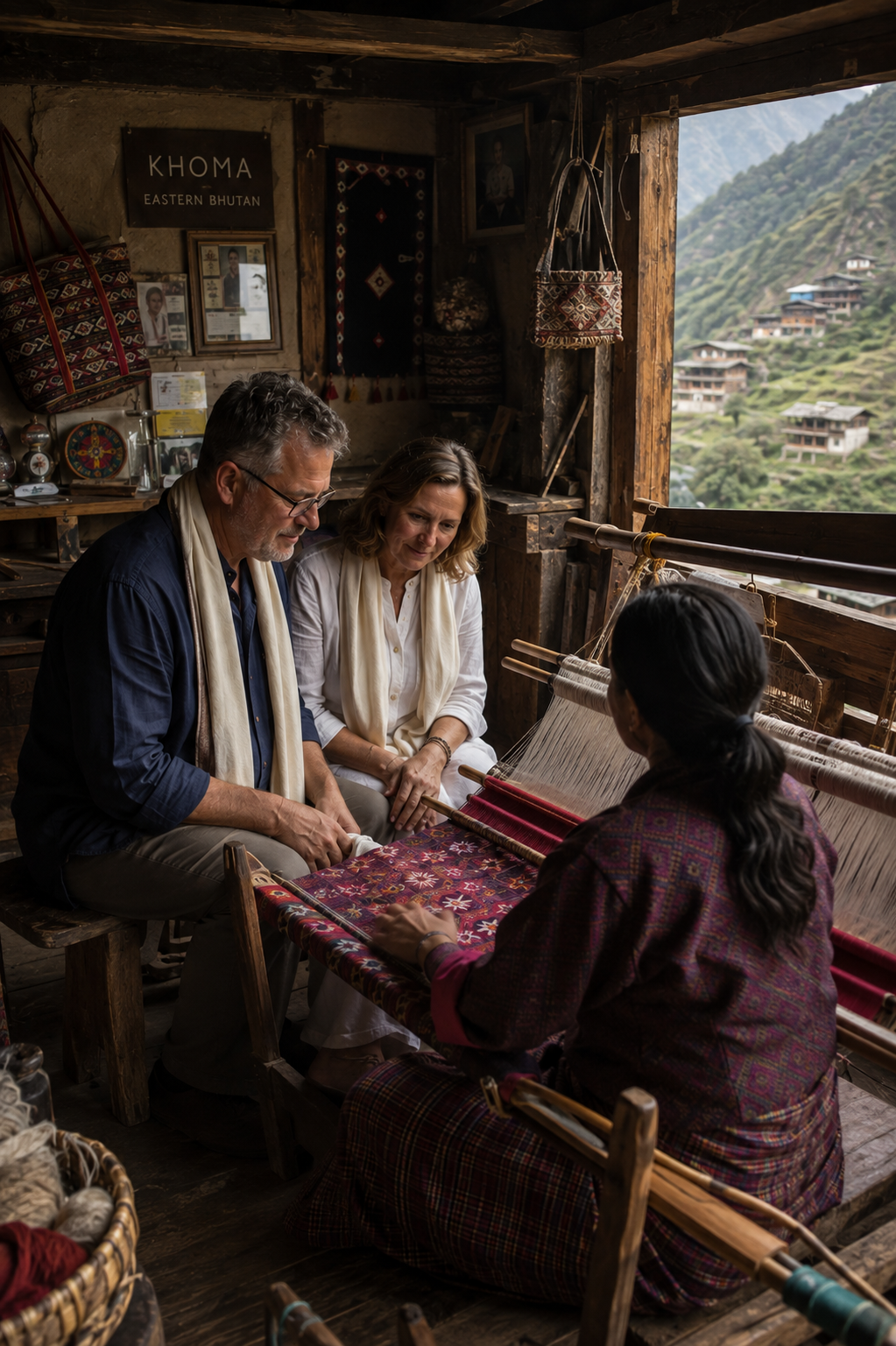
Craft A weaving workshop
Year-round
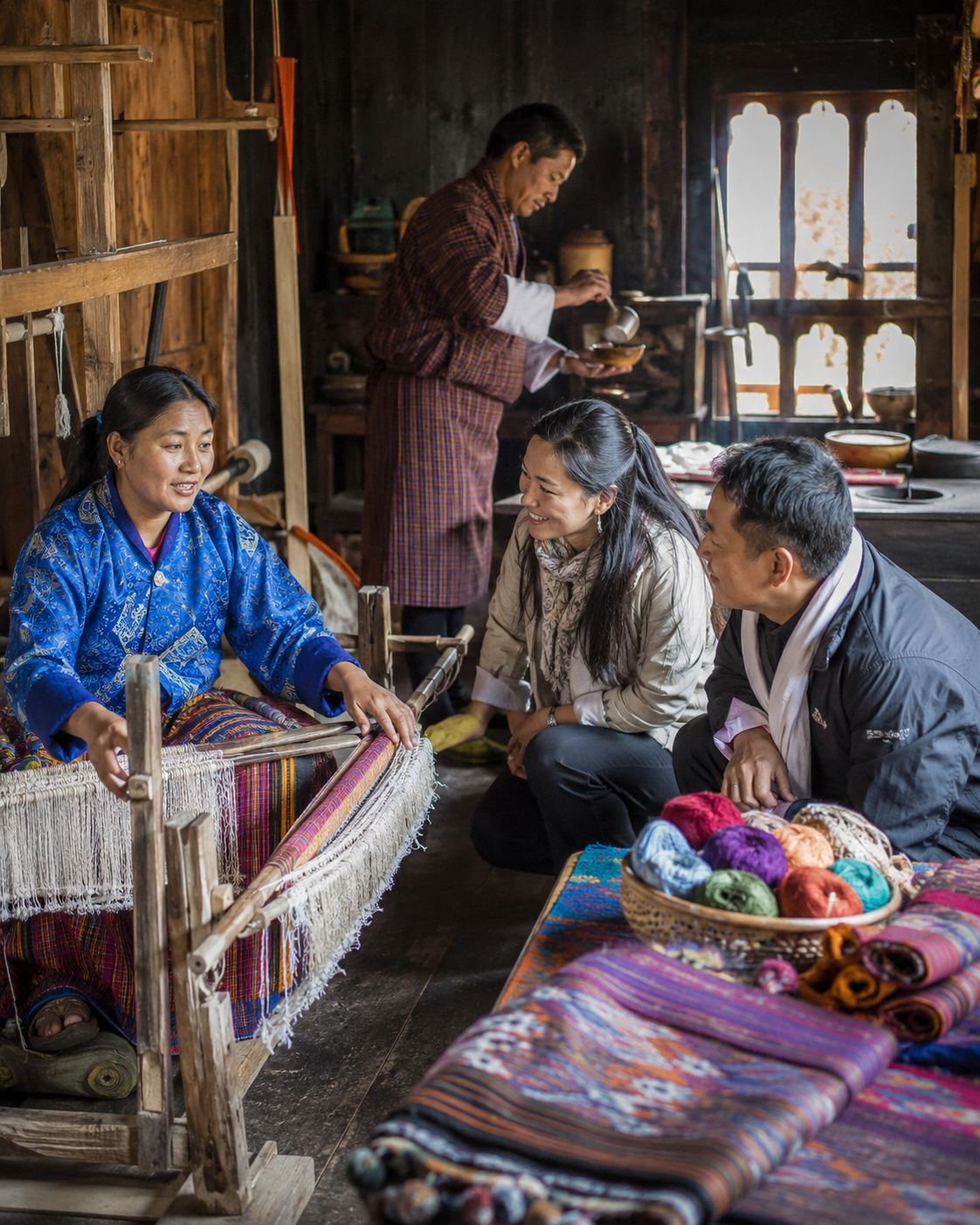
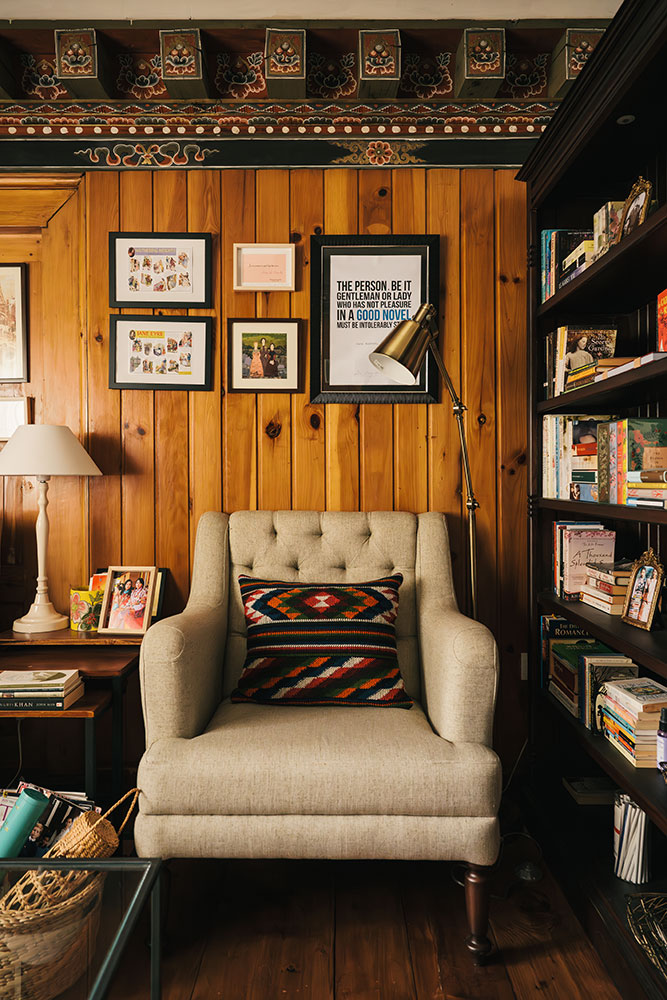
Time at the loom with a master weaver in eastern Bhutan — the patience, the pattern and the meaning woven into every thread.
Historic pageant Punakha Drubchen
Winter · Feb–Mar
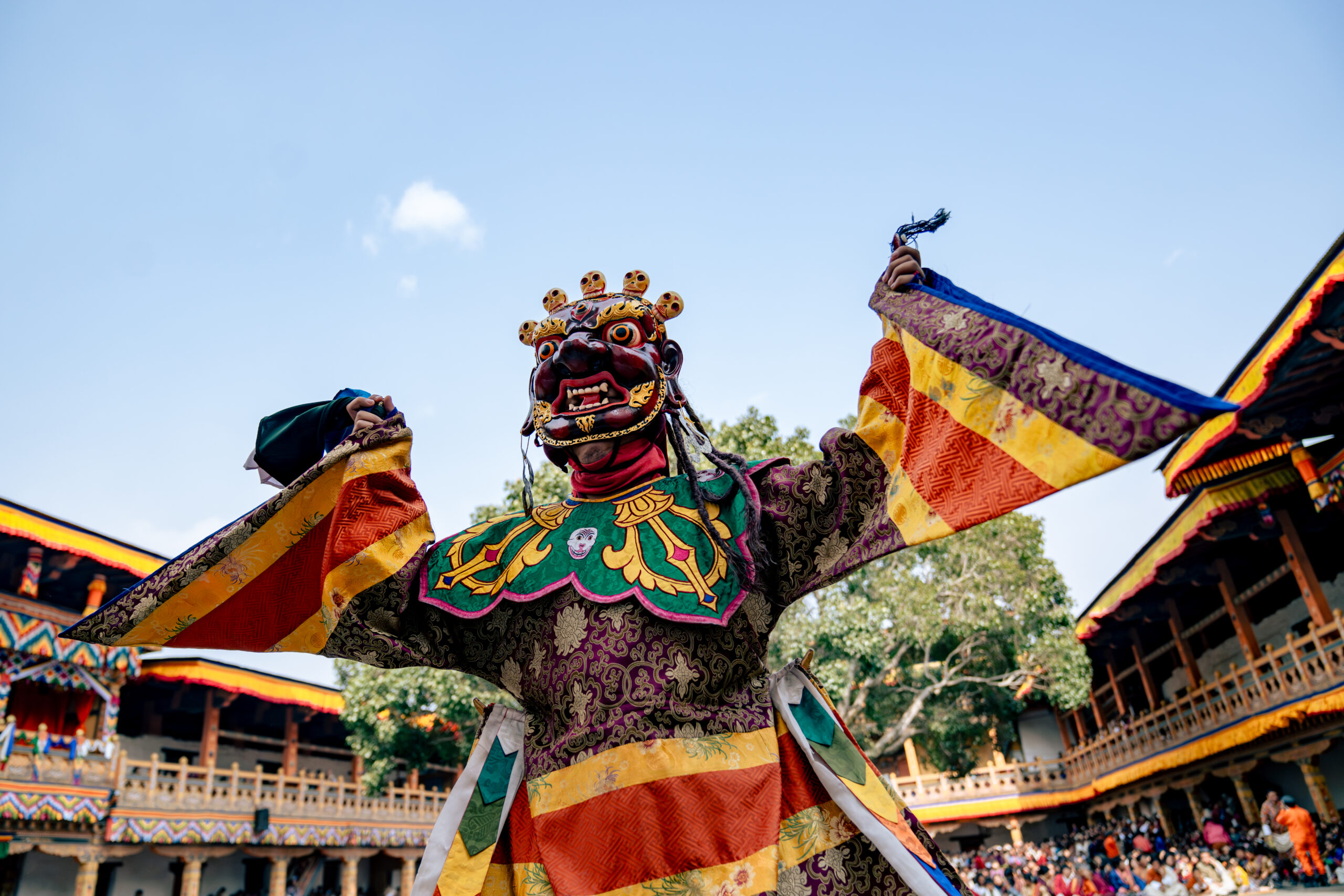
A dramatic re-enactment of a 17th-century victory, staged in the great dzong at the meeting of two rivers — one of Bhutan's most theatrical gatherings.
Where you'll stay
Considered places
to rest
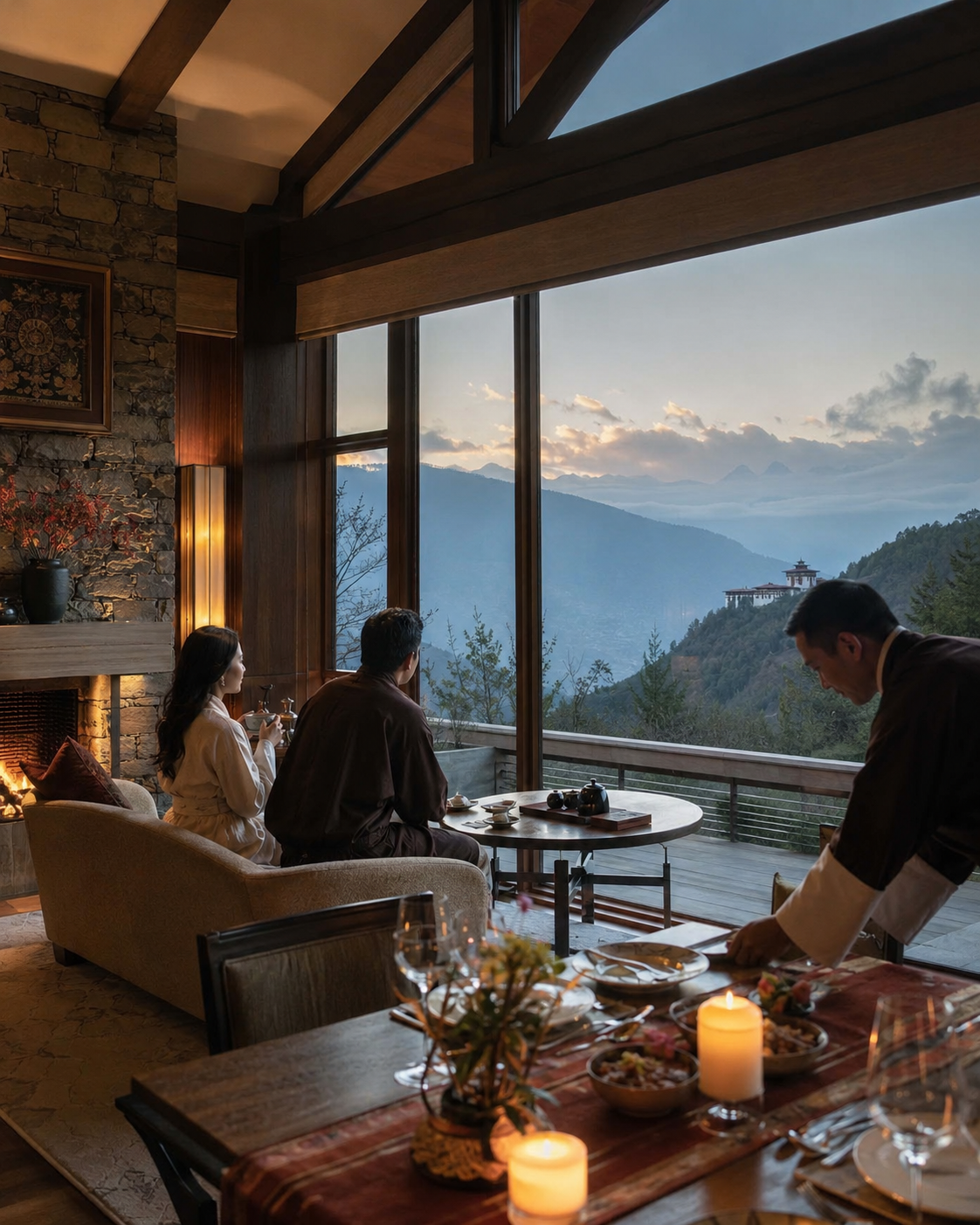
A handful of the lodges, farmhouses and hideaways we return to — chosen for atmosphere, location and the way they let the journey breathe.
Mountain sanctuary
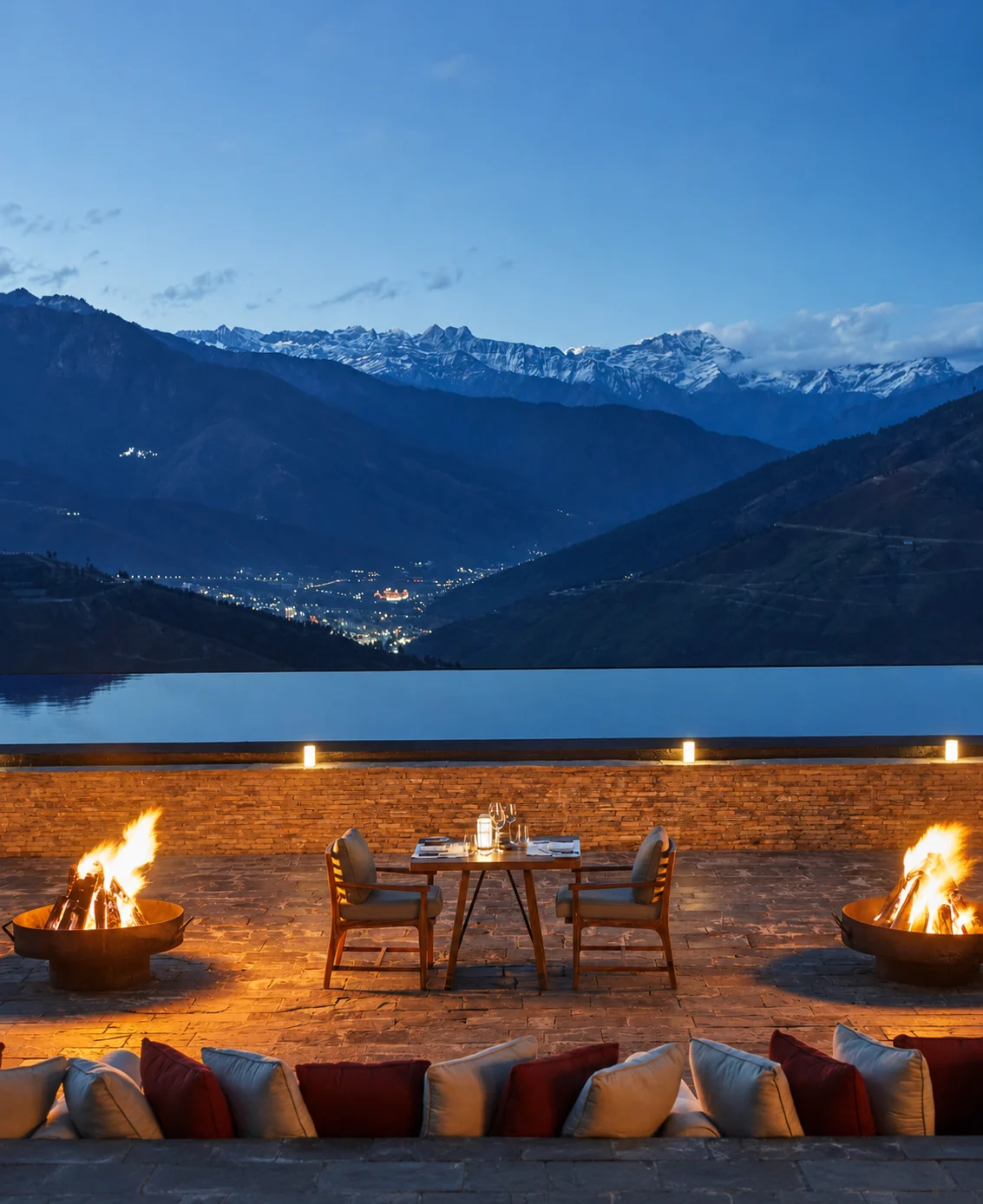
Six Senses Paro
Paro
Palace in the sky
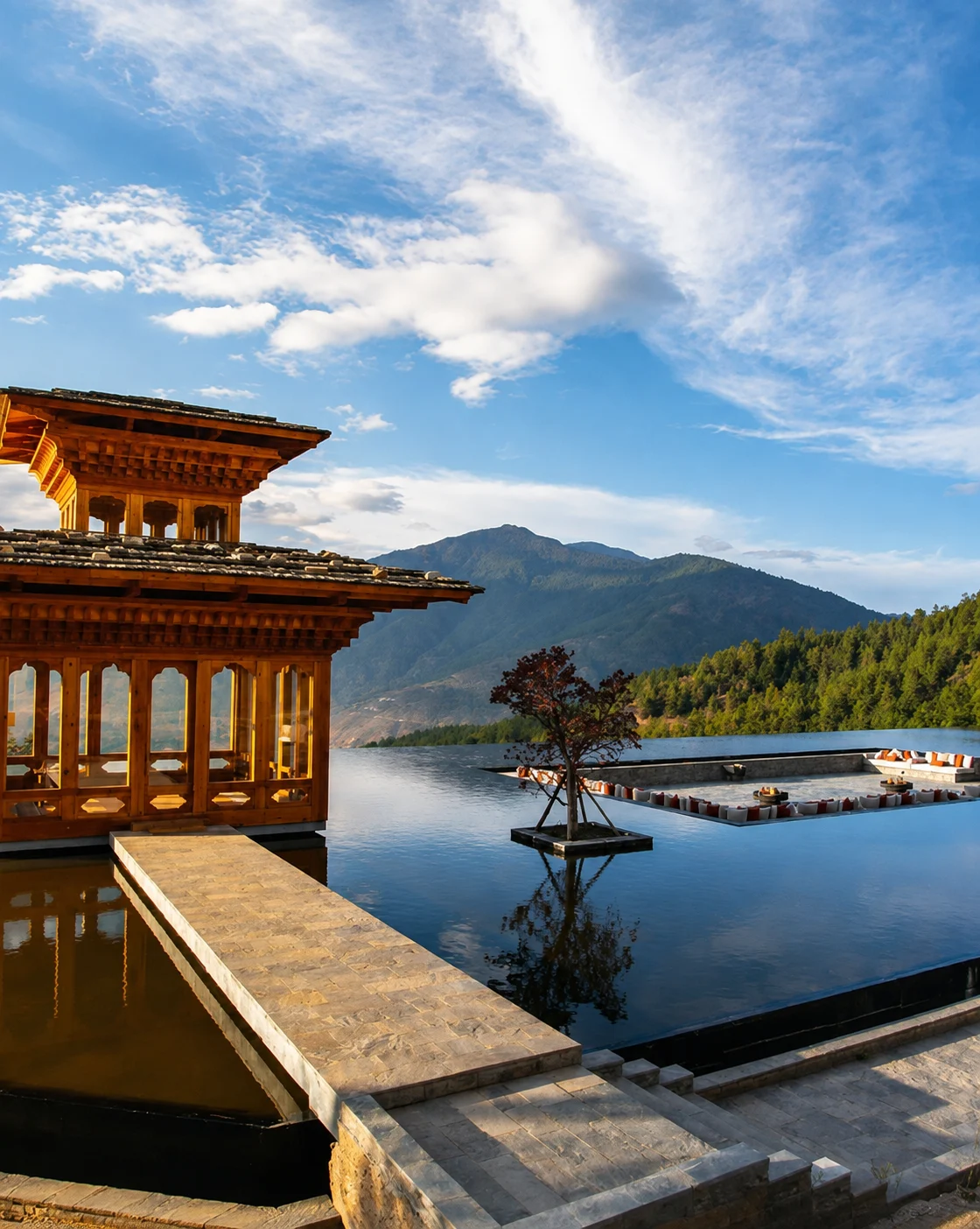
Six Senses Thimphu
Thimphu
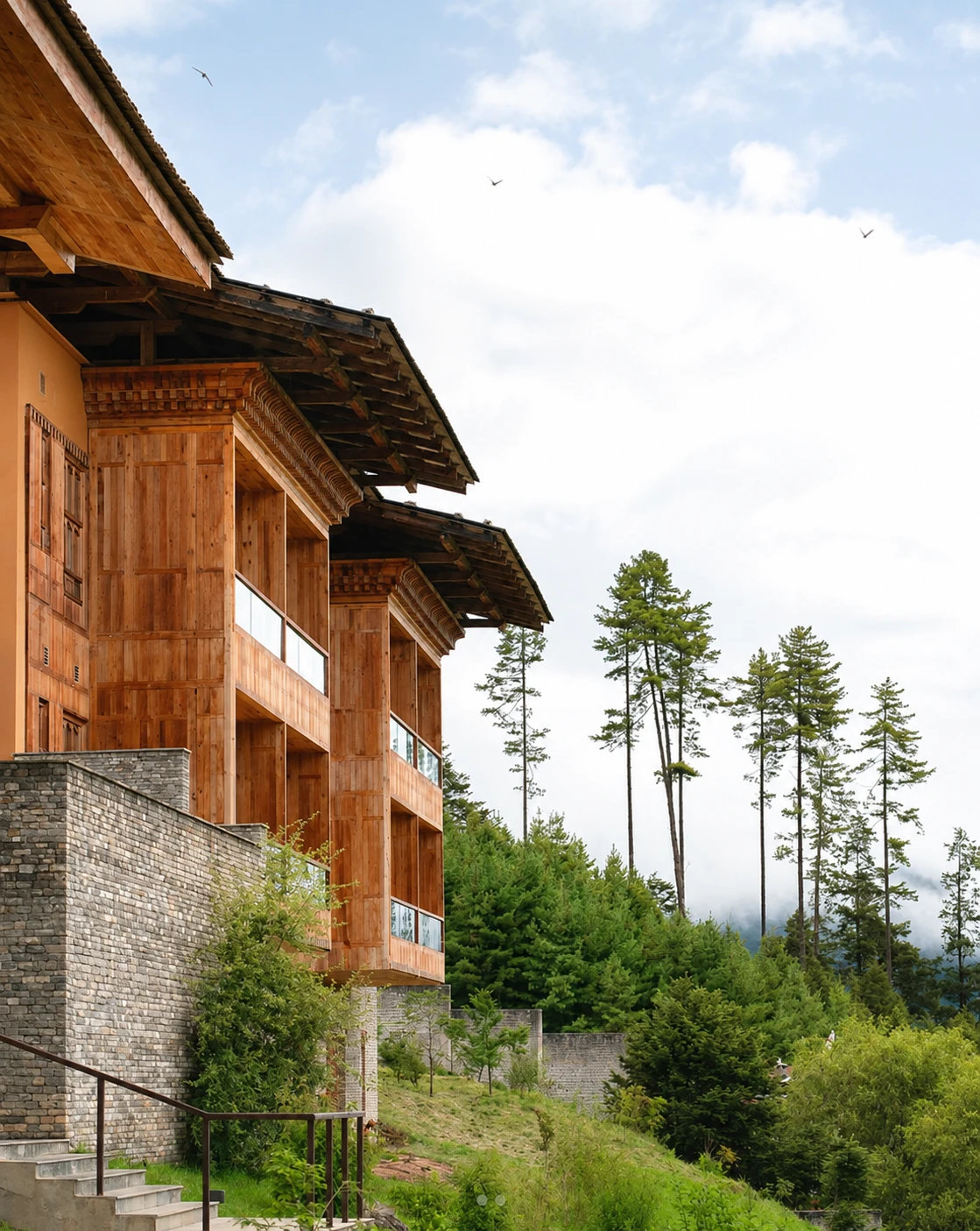
Valley hideaway
Six Senses Gangtey
Phobjikha
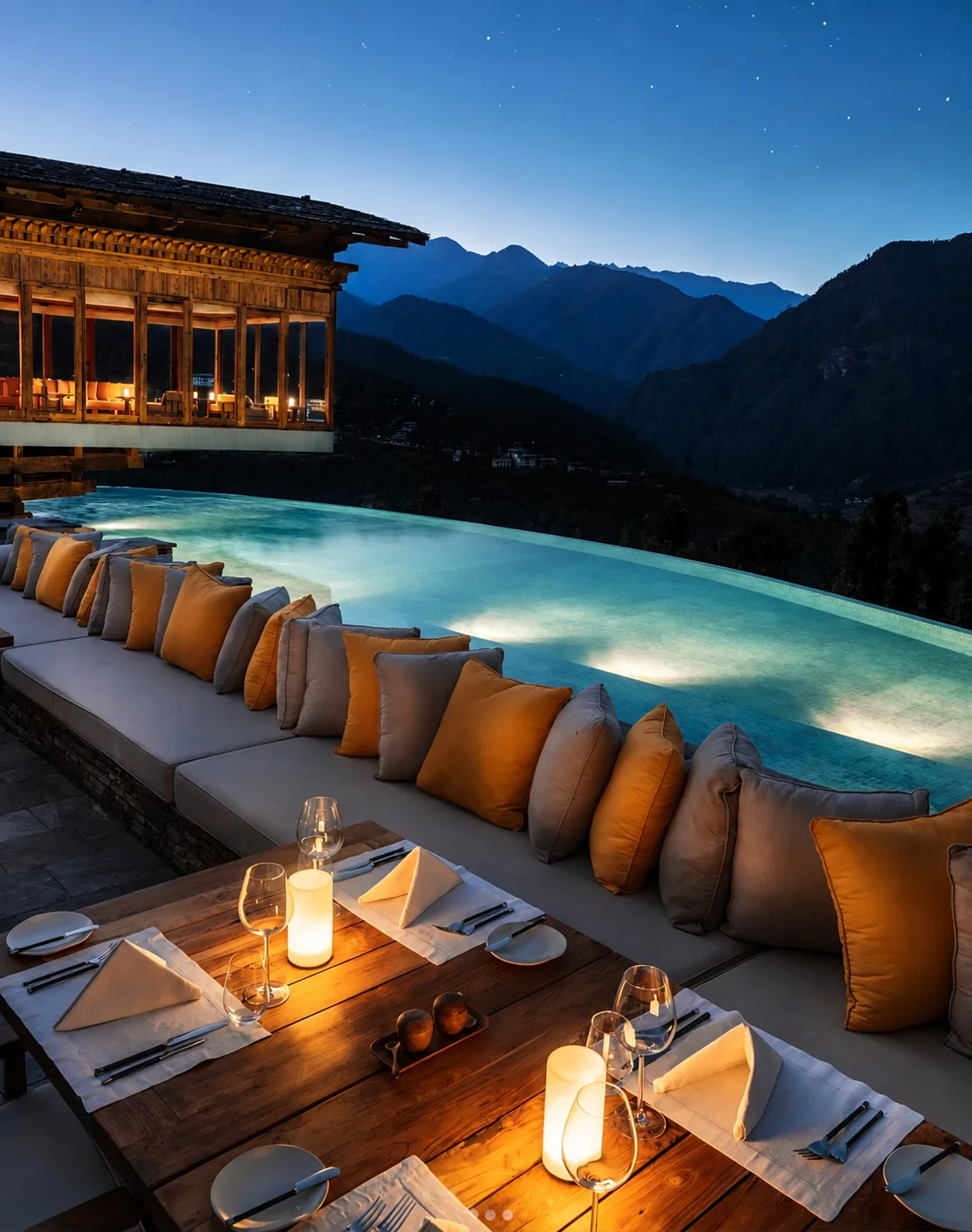
Flying farmhouse
Six Senses Punakha
Punakha
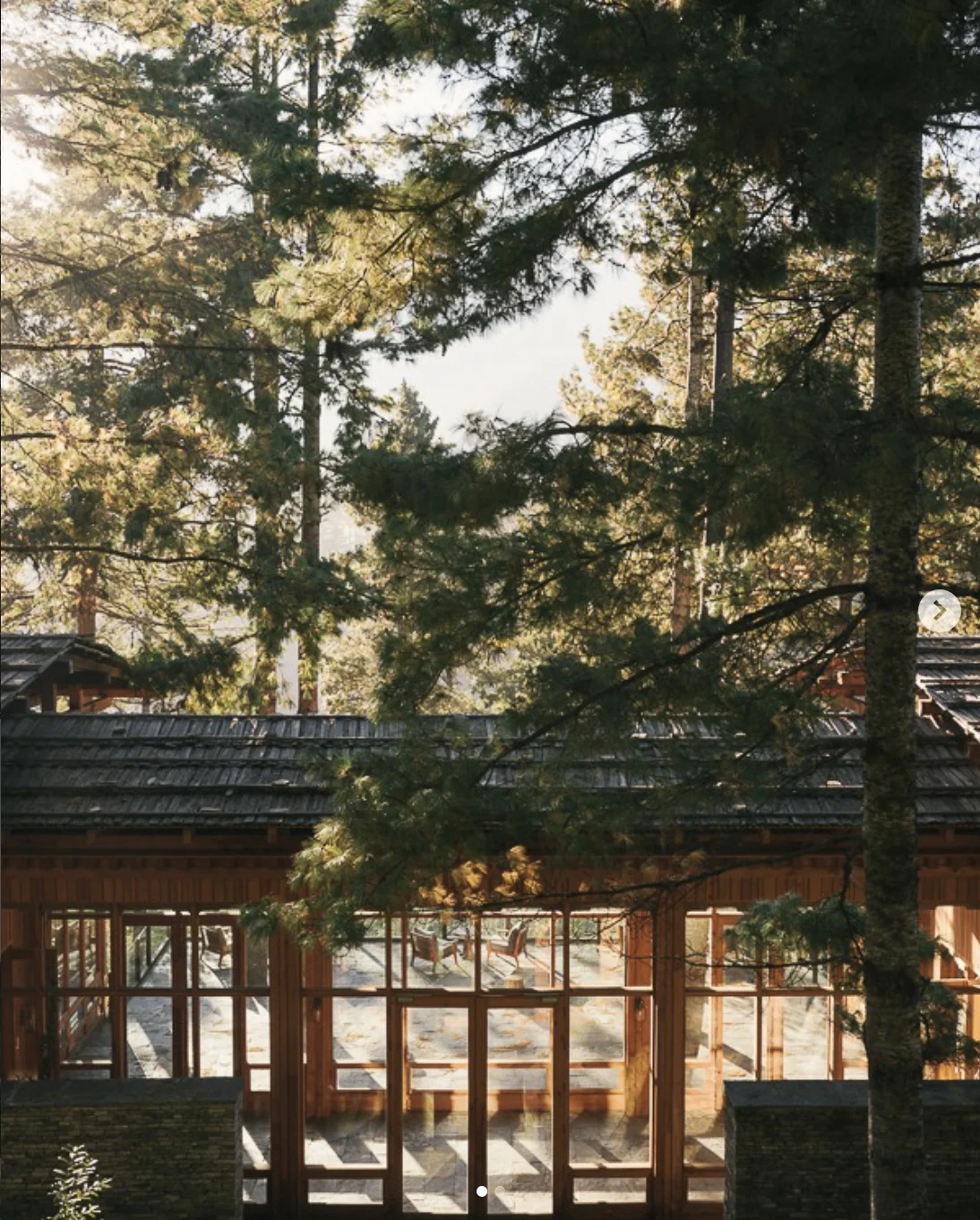
Forest within a forest
Six Senses Bumthang
Bumthang
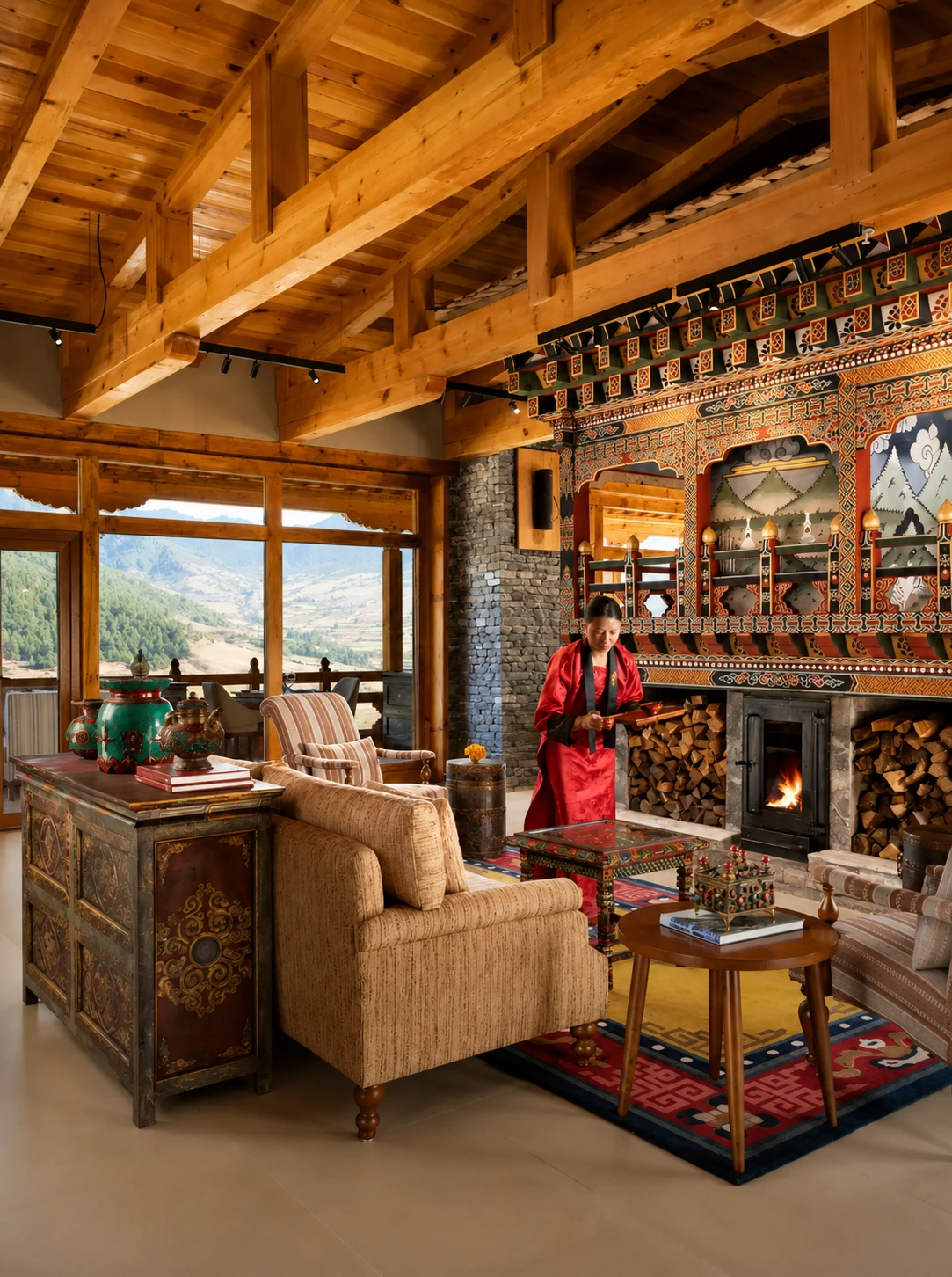
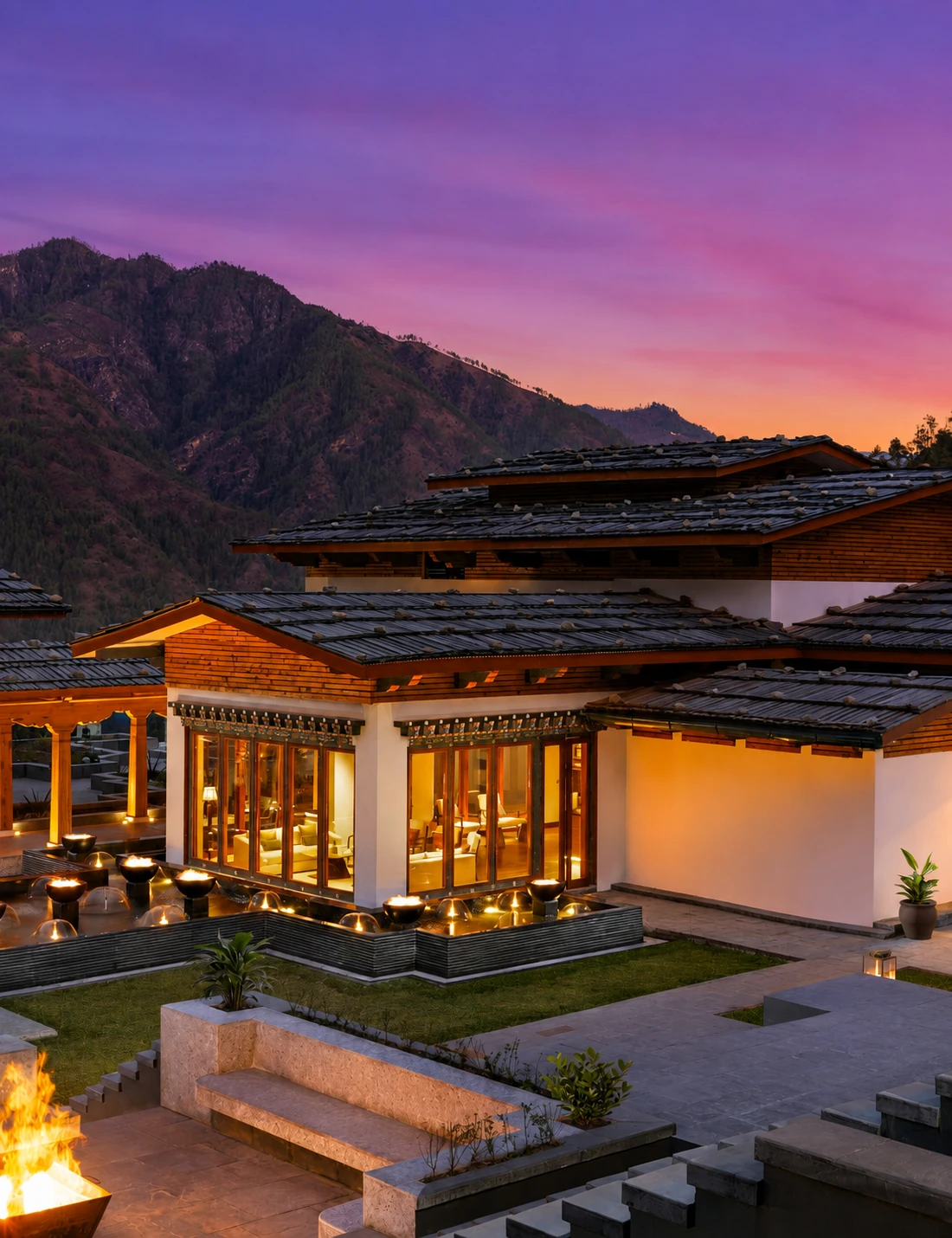
Valley retreat
Taj Gangtey
Phobjikha
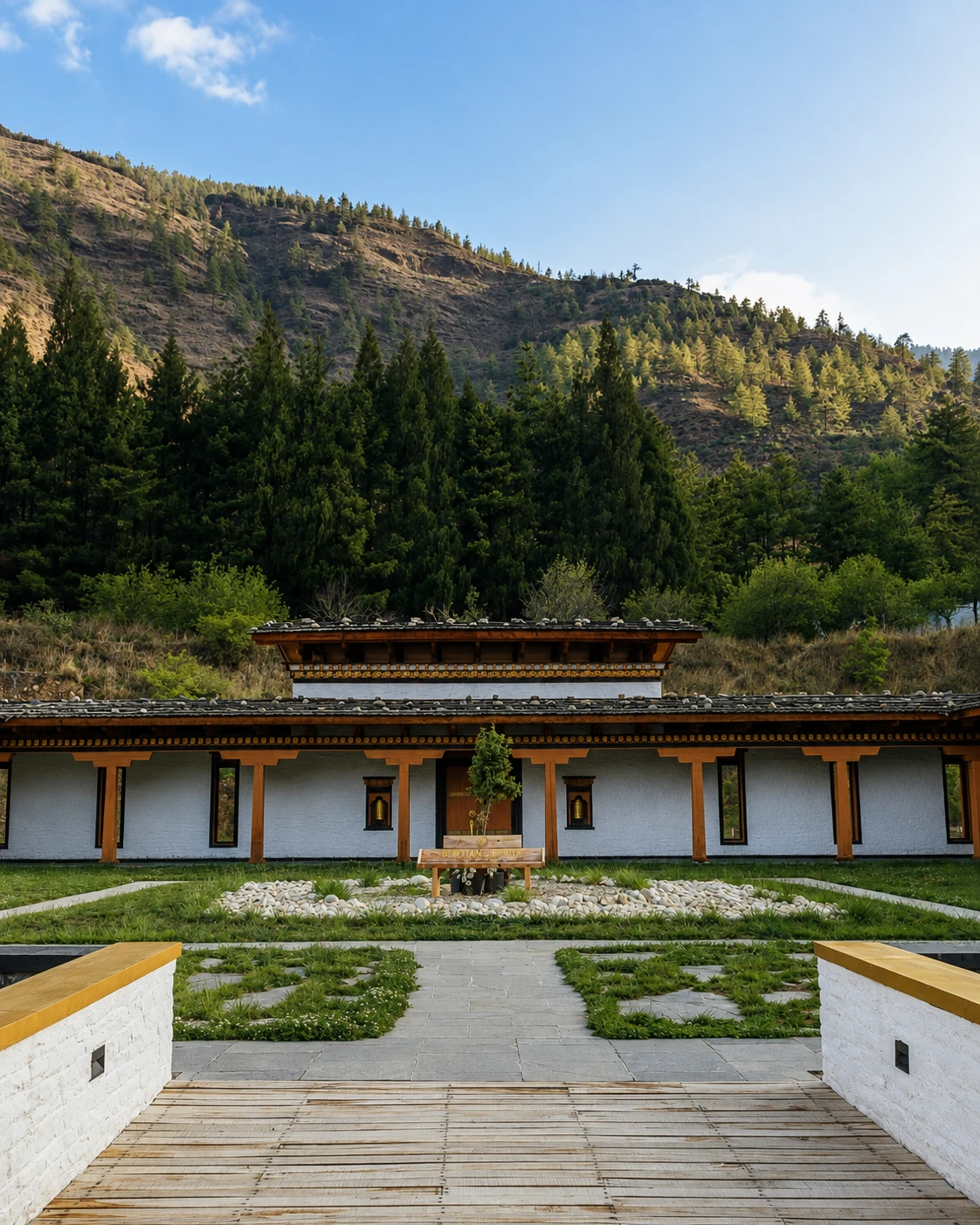
Mountain heritage
Taj Paro
Paro
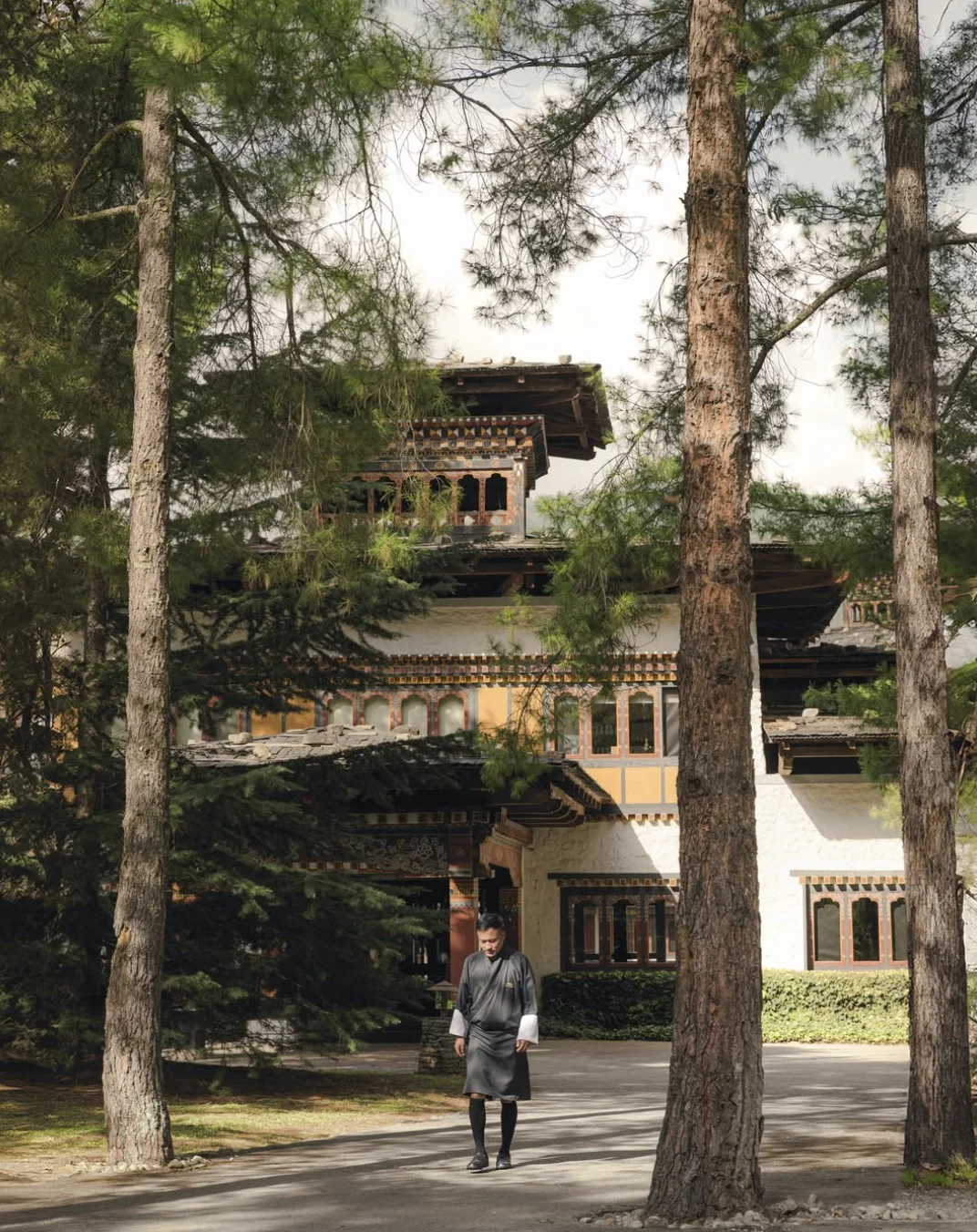
Wellness sanctuary
Bhutan Spirit Sanctuary
Paro
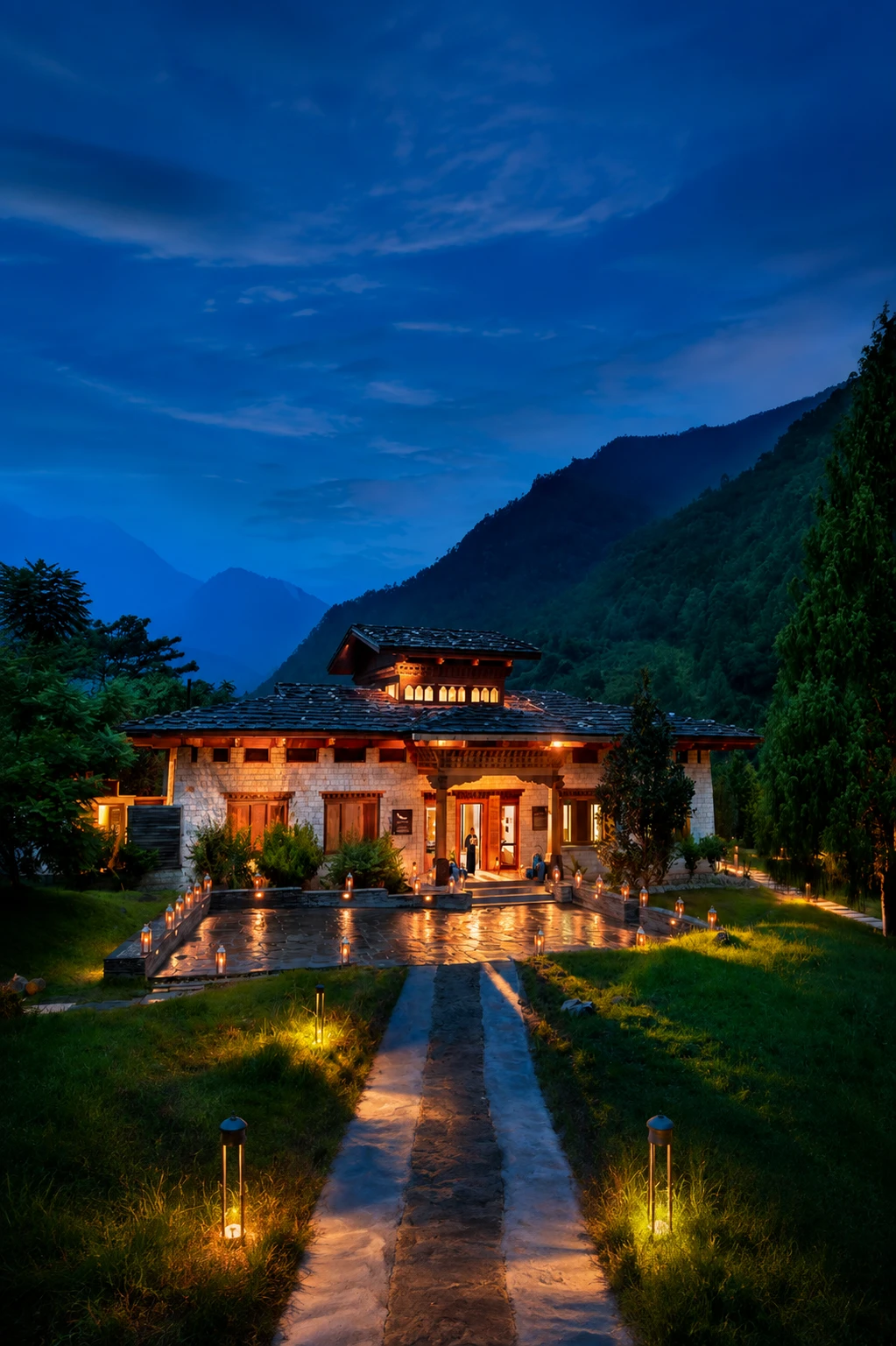
Himalayan retreat
COMO Uma Paro
Paro
Riverside luxury
&Beyond Punakha
Punakha
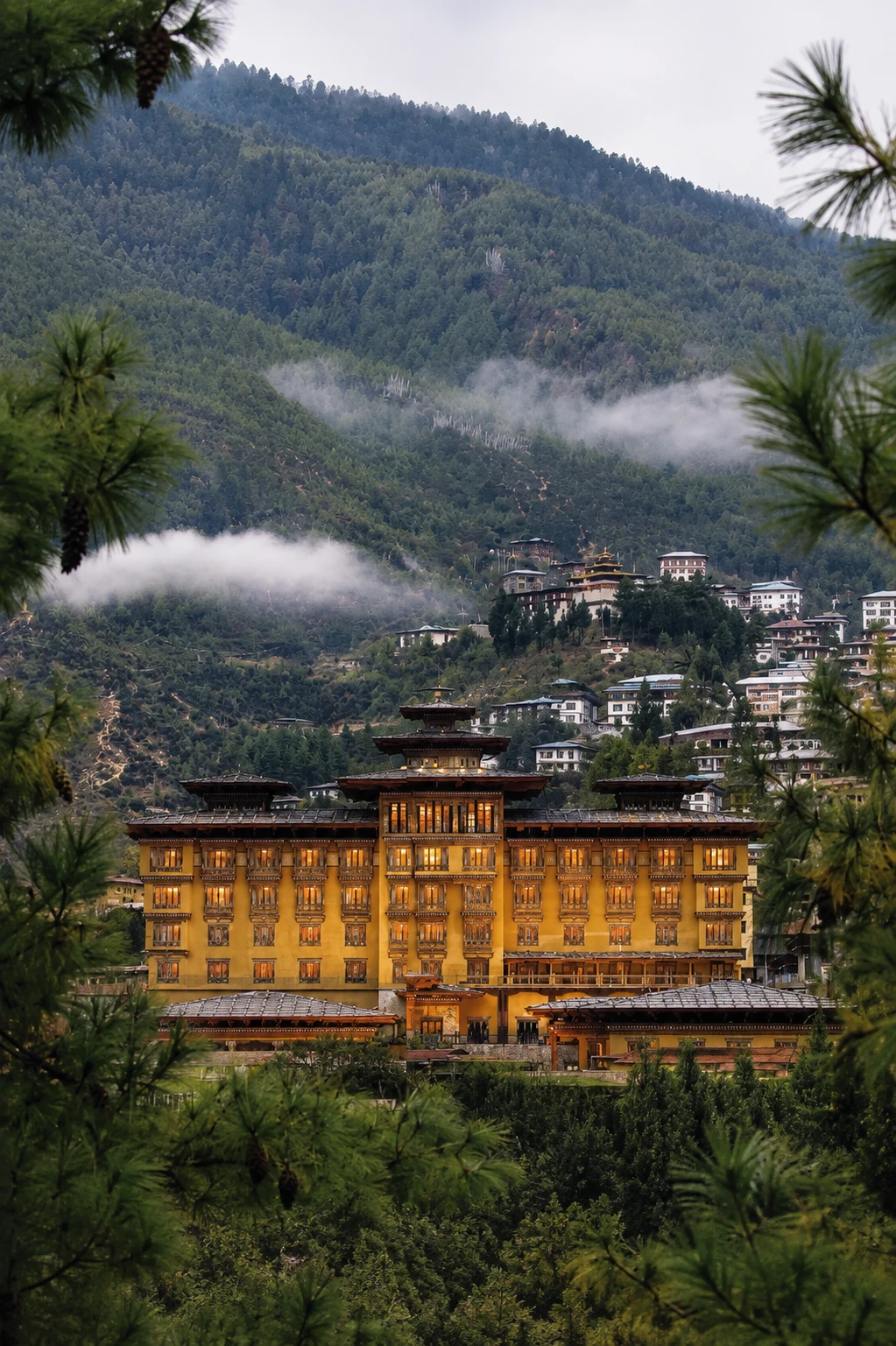
City sanctuary
Pemako Thimphu
Thimphu
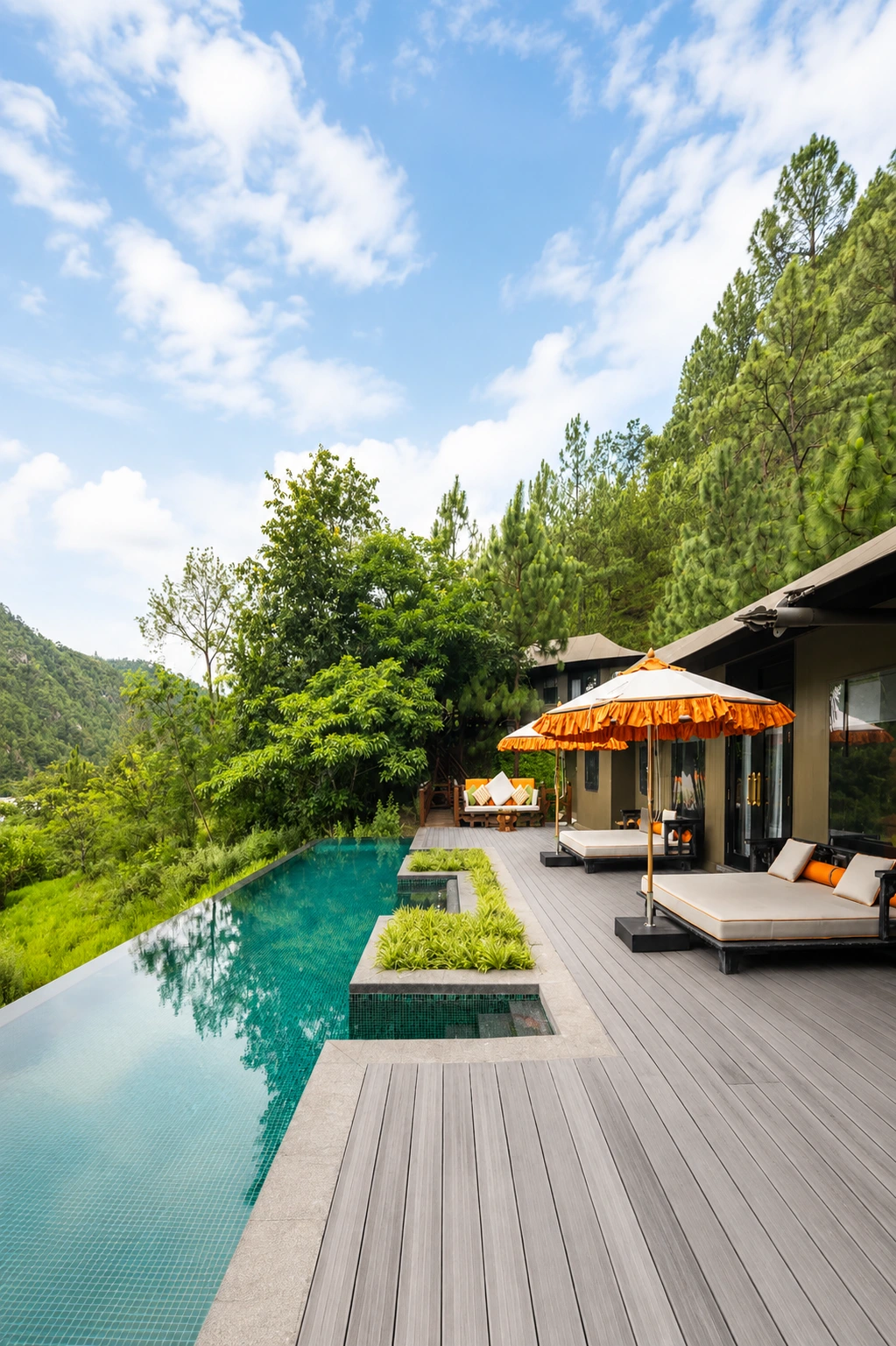
Riverside escape
Pemako Punakha
Punakha
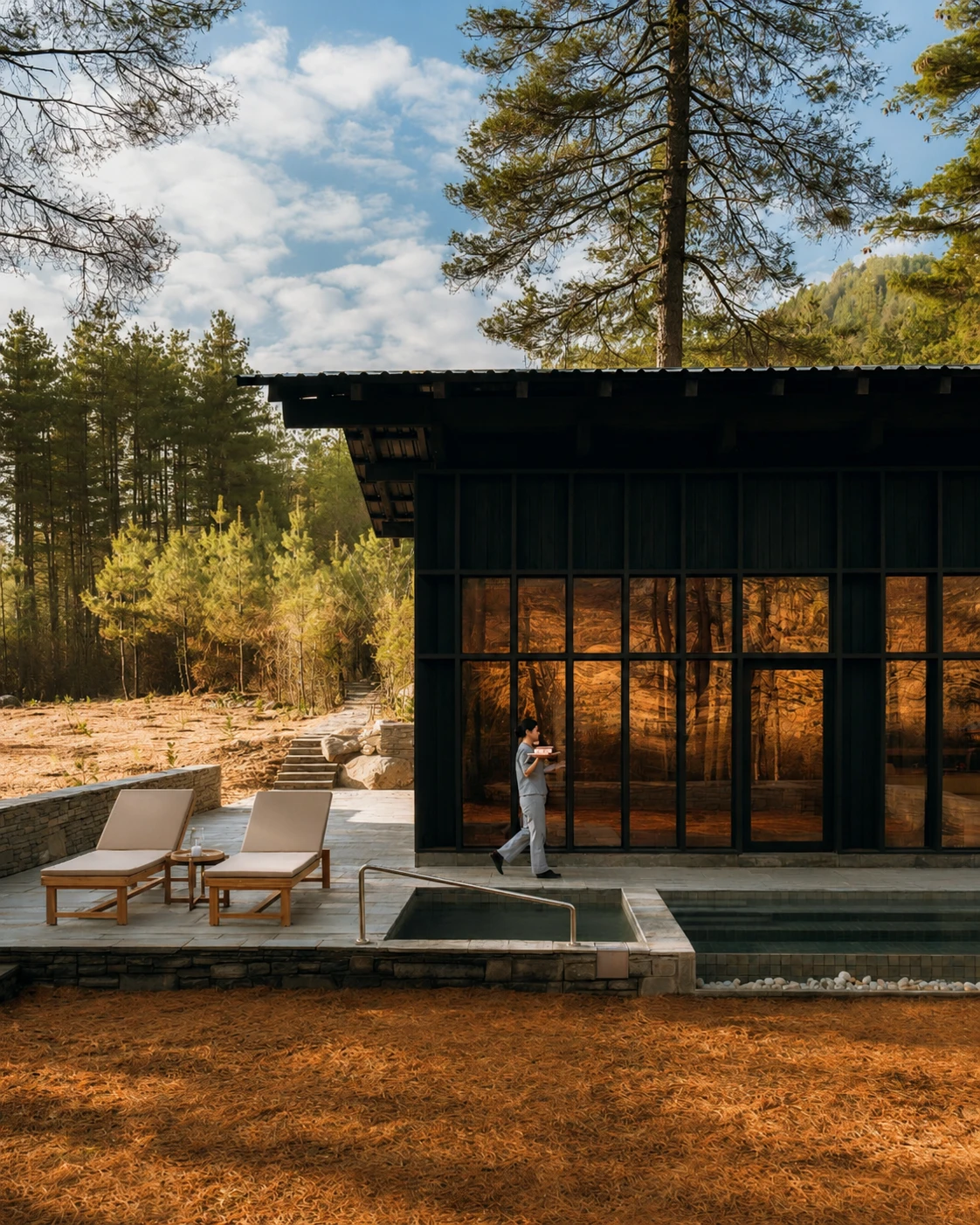
Forest retreat
Amankora Paro
Paro
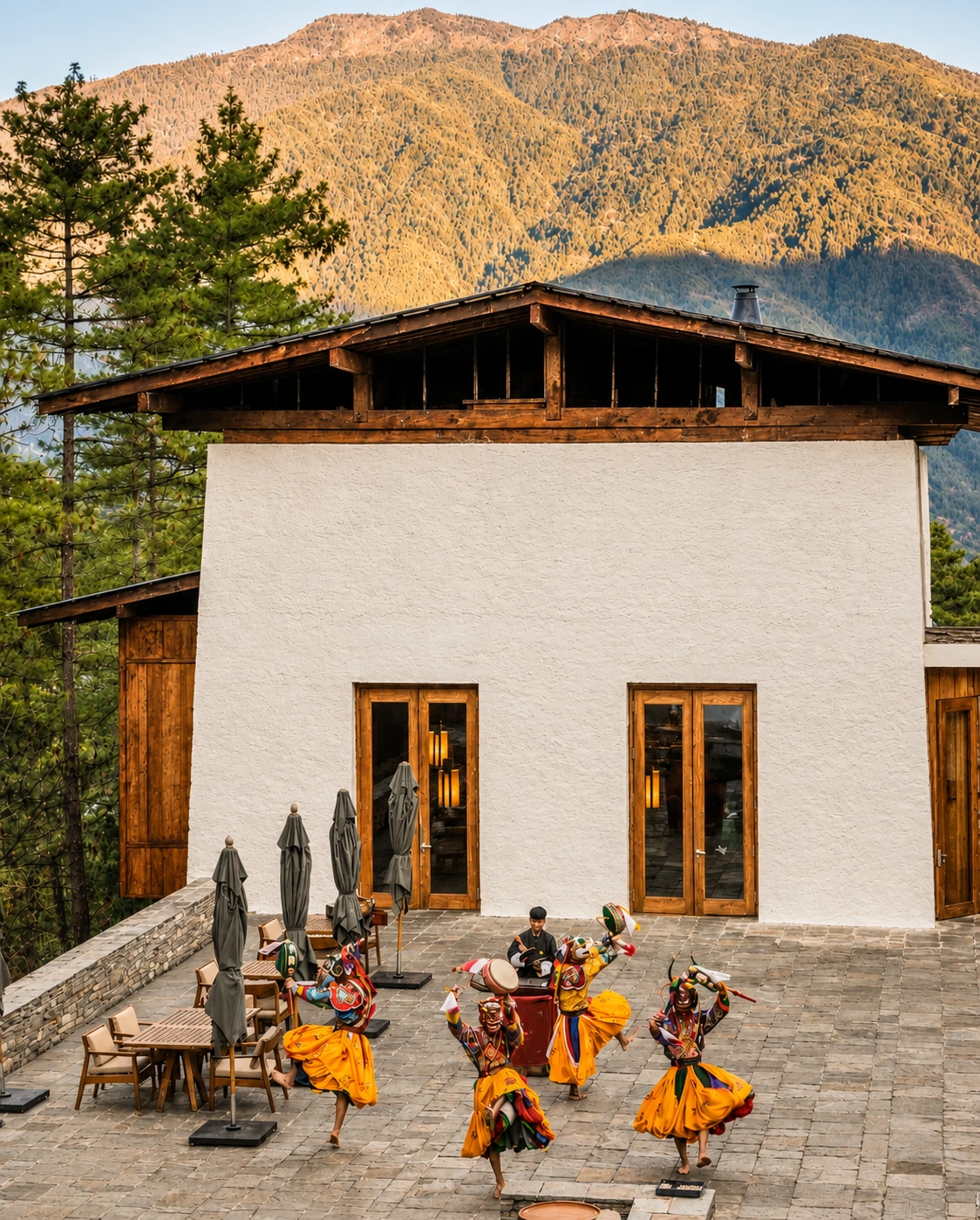
Capital hideaway
Amankora Thimphu
Thimphu
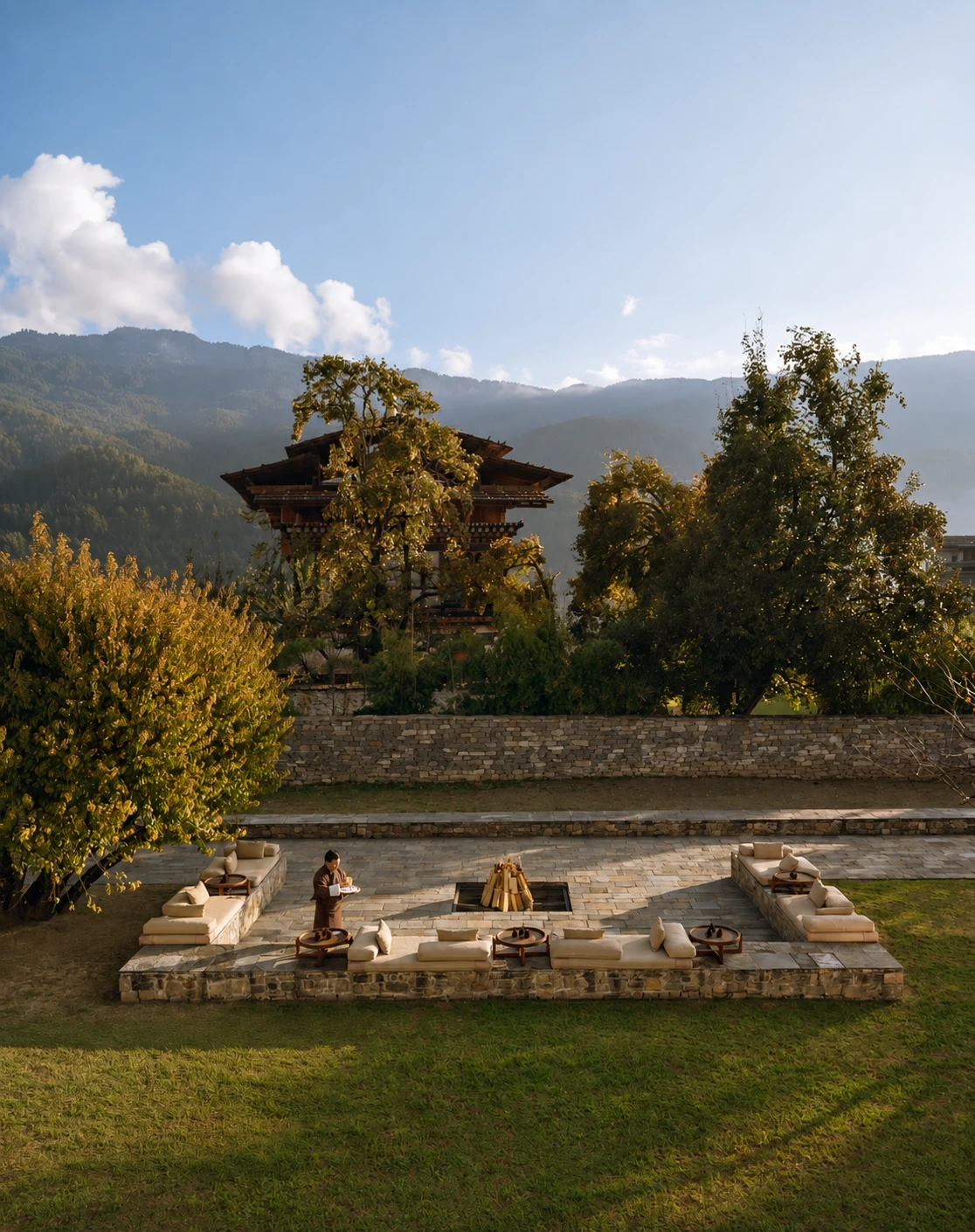
Forest retreat
Amankora Punakha
Punakha
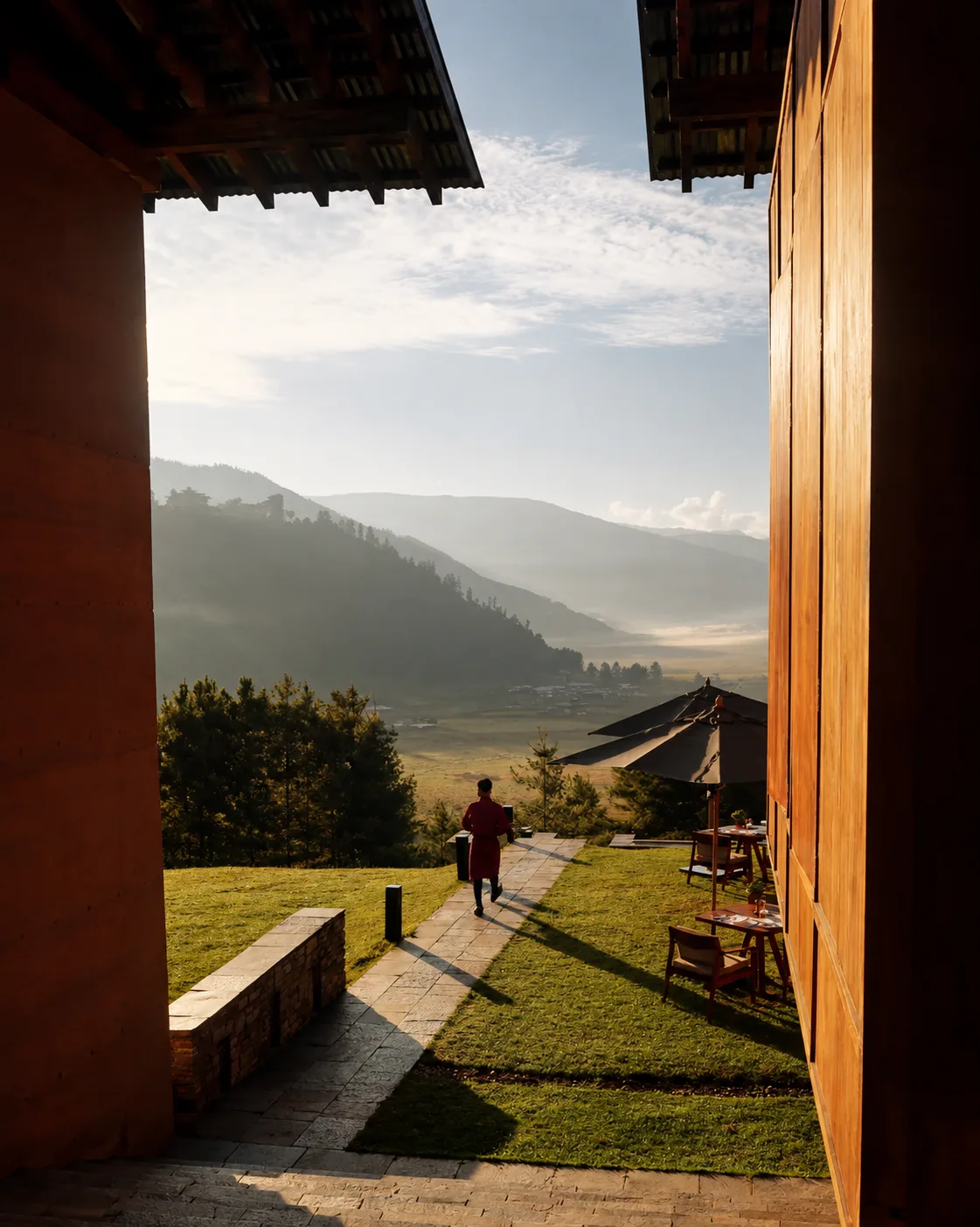
Valley lodge
Amankora Gangtey
Phobjikha
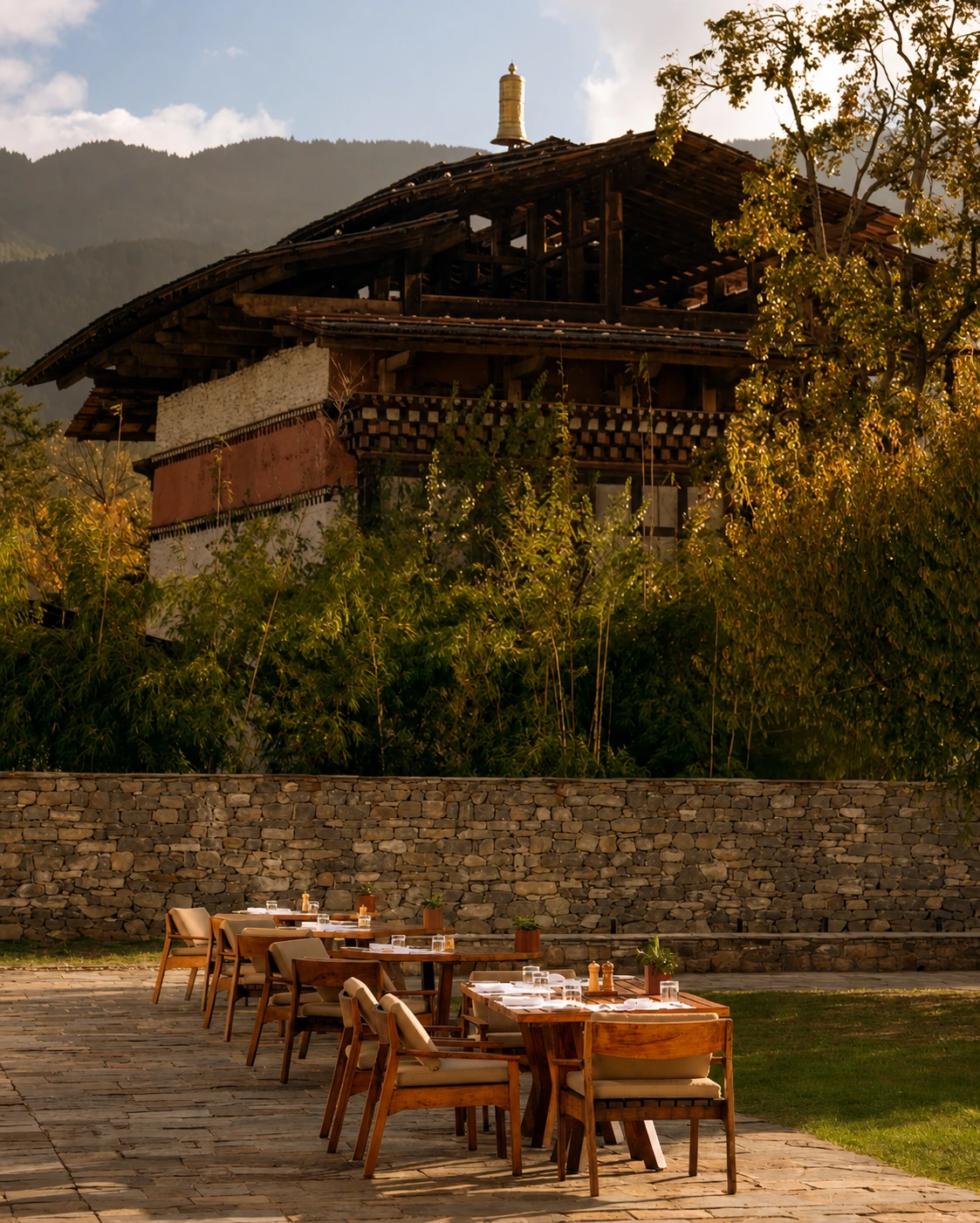
Heritage retreat
Amankora Bumthang
Bumthang
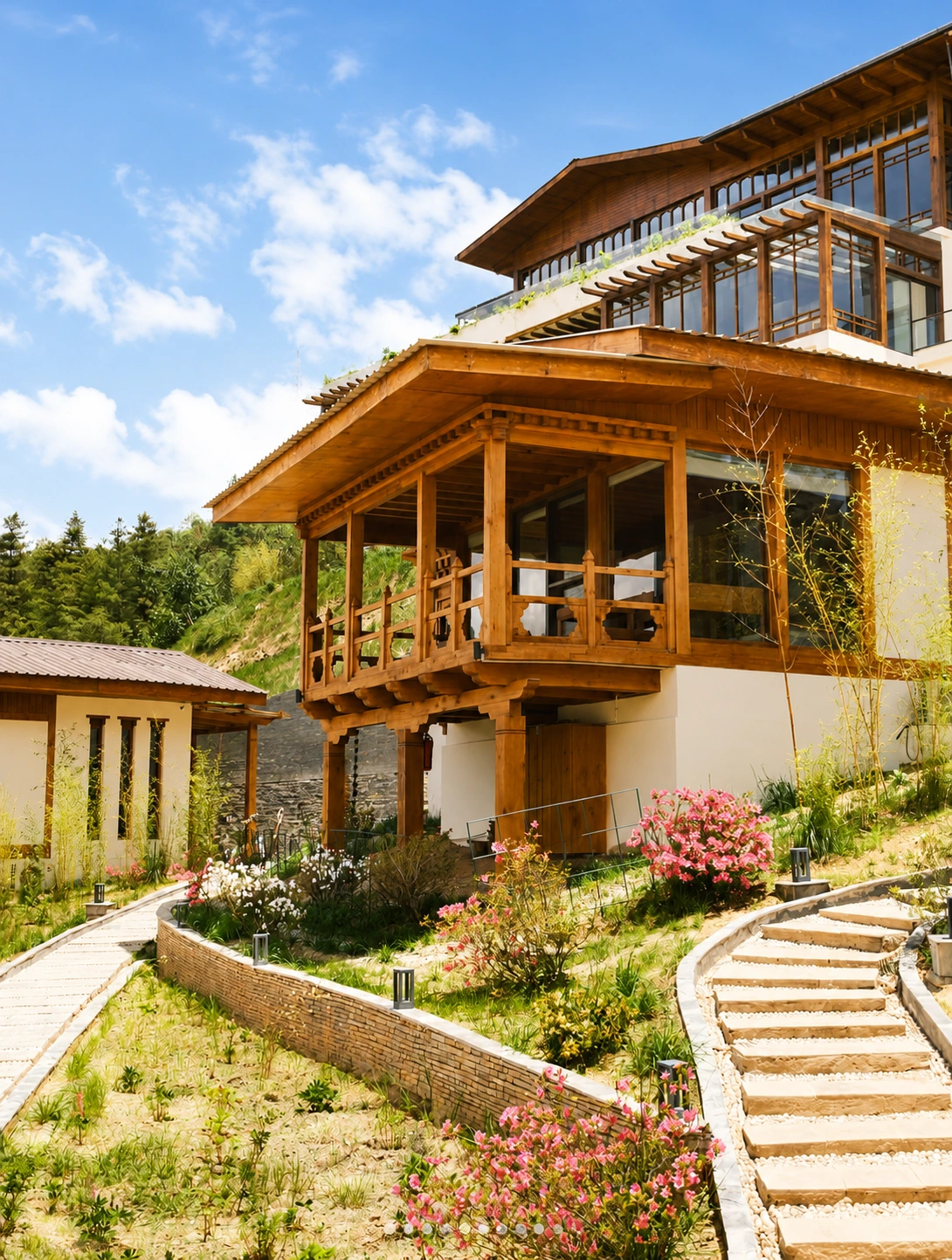
Mindful retreat
Simtokha Wellness Resort
Thimphu
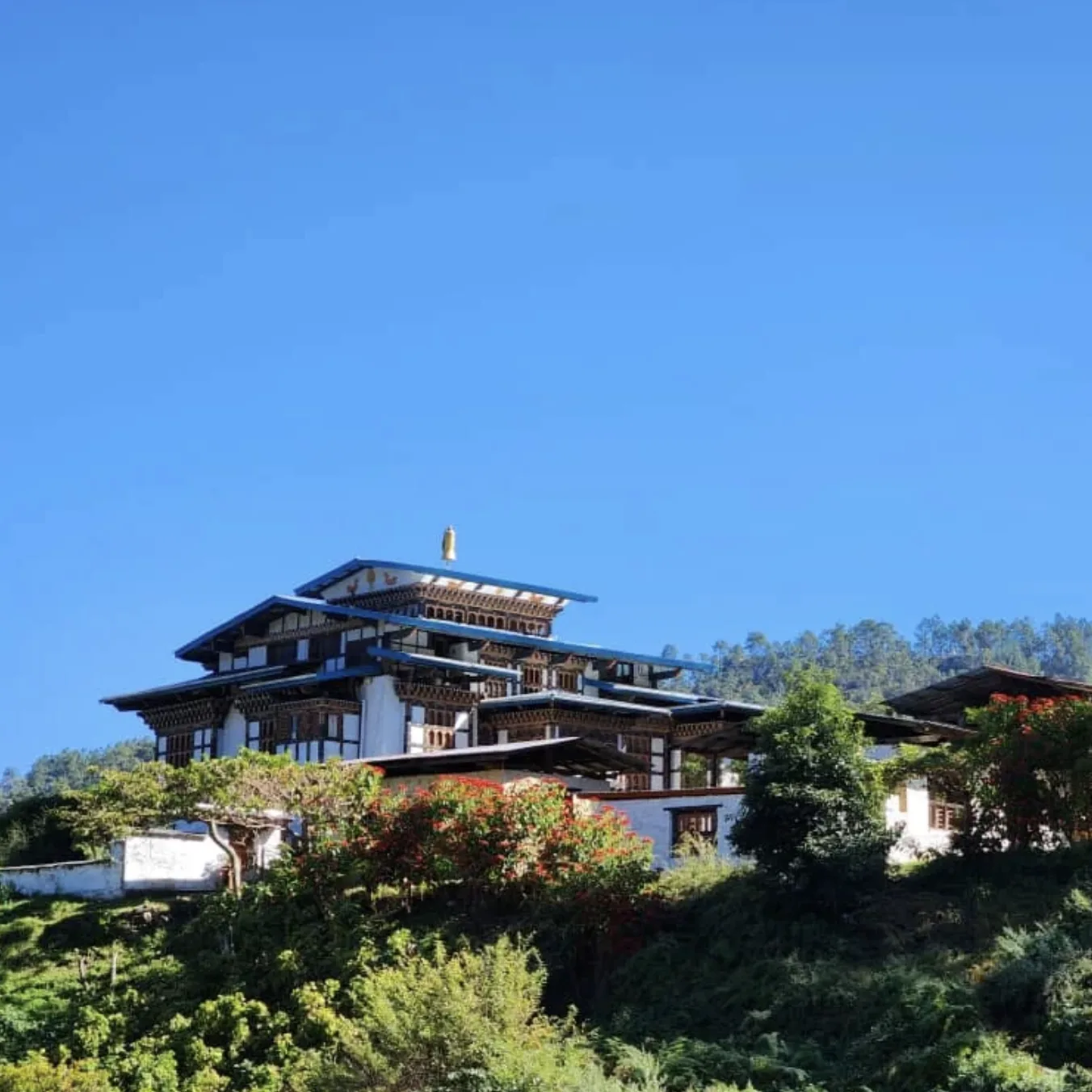
Heritage homestay
Mendegang Heritage Homestay
Punakha
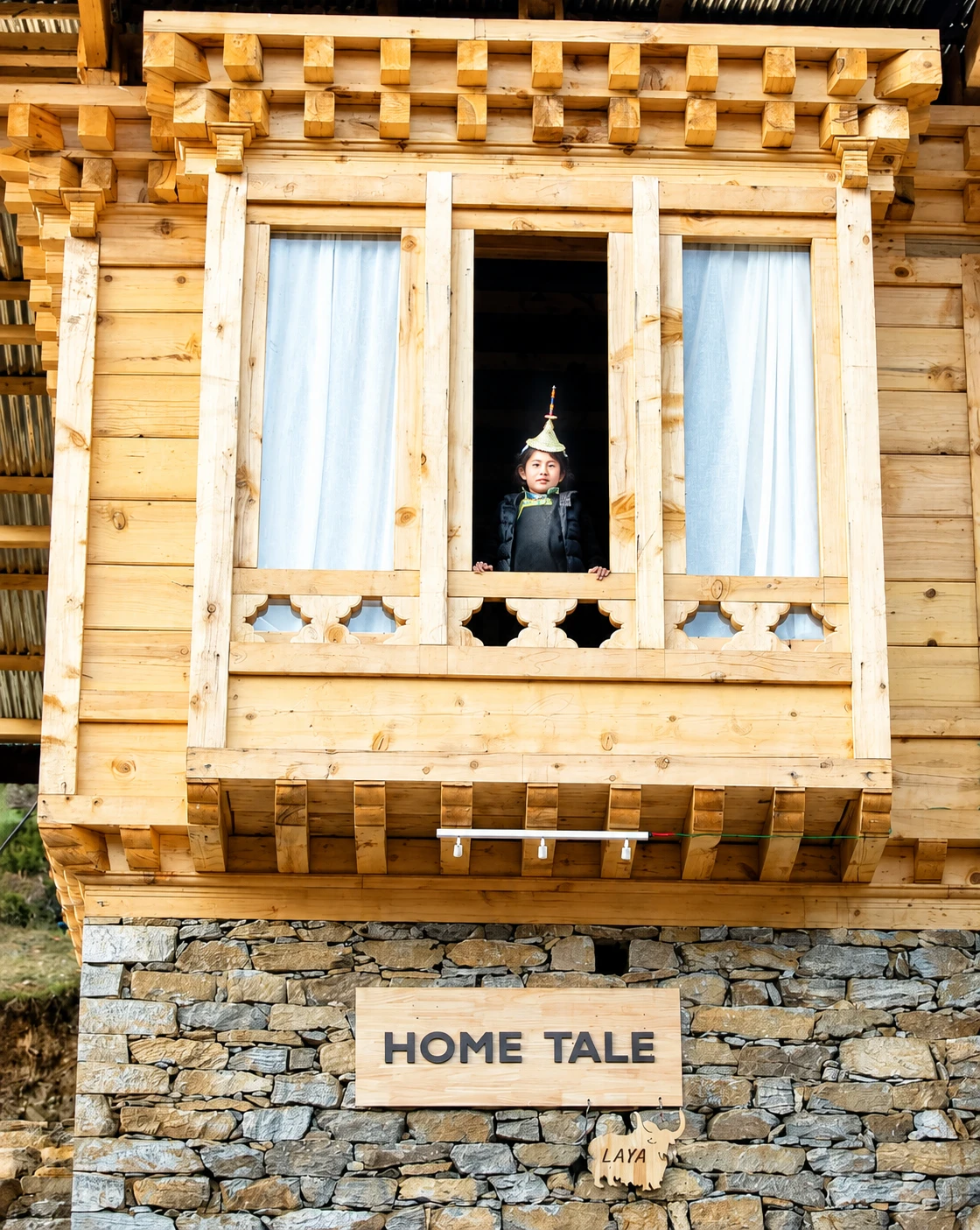
Highland hideaway
Home Tale Laya
Laya
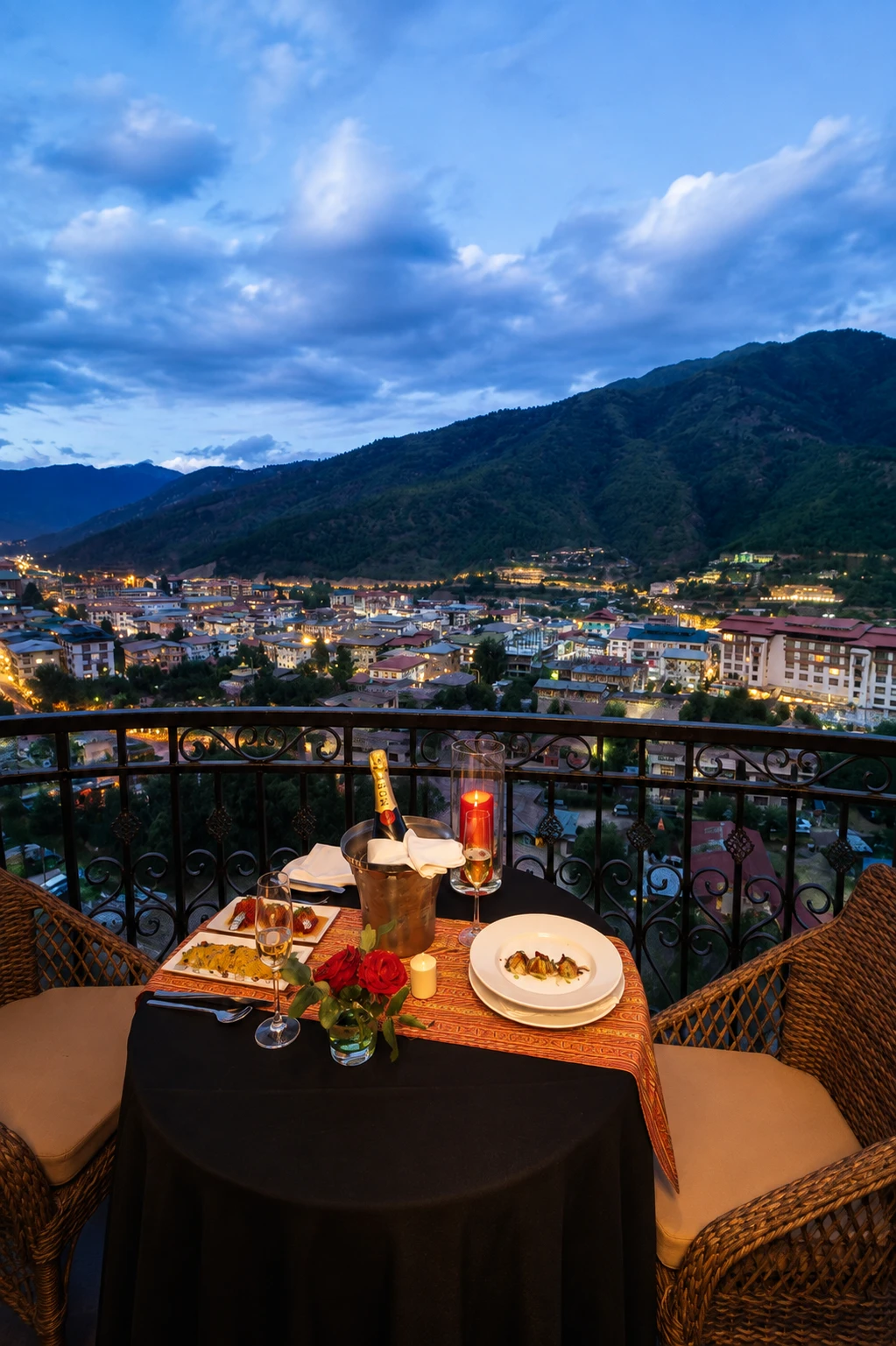
Urban heritage
Norkhil Hotel
Thimphu
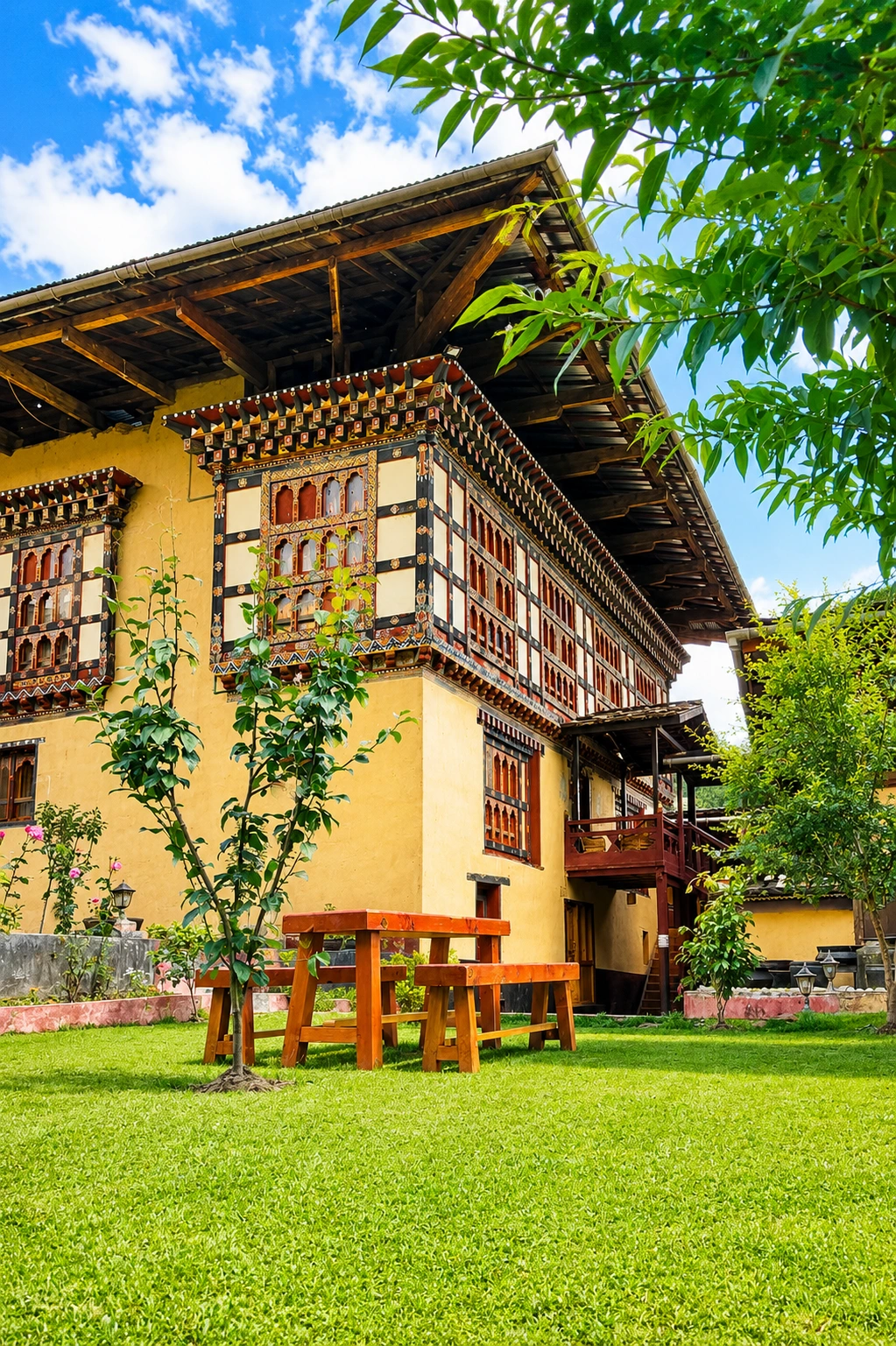
Village homestay
Soednam Heritage Home
Haa
From the Journal
Reading for
the road
Stories, field notes and reflections from Bhutan and beyond — a little context for the journey you're imagining.
Guest stories
In their own words
“I arrived still answering emails in the car from the airport. By the third day I had stopped checking altogether. Haa was where I really felt the change. It was quiet, beautiful and there was absolutely nothing I needed to solve.”
“I run my own company and genuinely thought eight days was too long to be away. It turned out to be exactly right. Nothing about the trip felt like a corporate wellness retreat. I simply had room to think again.”
“The morning at the nunnery was unexpectedly powerful. There was no big revelation, which I actually appreciated. I just remember sitting there after meditation and realising how tired I had been for a very long time.”
“I came to Bhutan completely depleted. I left rested, but more importantly I left with perspective. The work was all still waiting for me when I got home. I just didn’t feel quite so controlled by it anymore.”
“I came after losing my father and was worried the journey might feel too focused on grief. It wasn’t. There were conversations that helped, but also hikes, beautiful meals and completely ordinary moments. I think that balance was what I needed most.”
“The afternoon we were given completely to ourselves in Punakha was probably the most important part for me. Nobody was trying to fill the silence. I sat outside for hours and, for once, let myself feel whatever came up.”
“Lighting the butter lamps was incredibly simple, but it affected me more than I expected. There was something comforting about being able to do something physical with all the thoughts I had been carrying around.”
“I did not leave Bhutan having ‘moved on’, and I am glad nobody suggested I should. I left feeling more accepting of what had changed and less afraid of carrying the memory forward. That felt much more real.”
“My divorce has been the hardest thing I have ever lived through. I came to Bhutan feeling angry, exhausted and completely unsure of who I was without the life I had planned. I needed this trip.”
“I hadn’t realised how much I needed time away from everything until I was there. I came home knowing what I wanted to change.”
“The women we met were the part I wasn’t expecting. We had completely different lives, but so much in common.”
“There’s something about walking for hours in the mountains that puts everything else into perspective. Things that felt enormous at home suddenly didn’t.”
“I thought I was coming to Bhutan for an adventure. I didn’t expect to learn quite so much about myself along the way.”
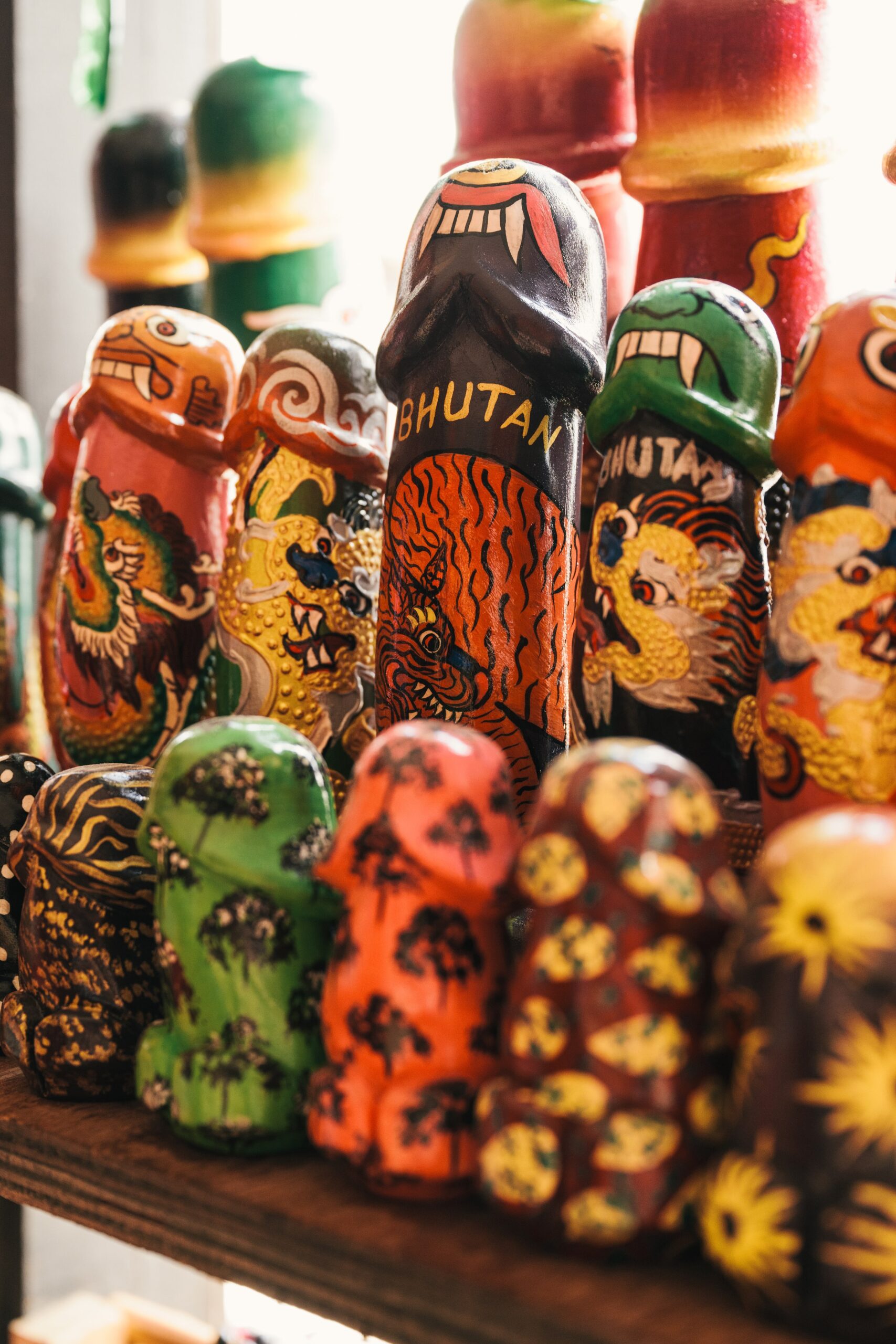
“I came to Bhutan to find myself. Instead, I found phalluses everywhere. Not a bad destination for a solo woman traveller.”
“Bhutan gave me something I didn’t realise I was missing: space. There was no pressure to be anywhere or achieve anything. I slept better, walked for hours, ate incredibly well and came home feeling noticeably calmer.”
“I expected beautiful scenery, but what stayed with me was how unhurried everything felt. Mornings in Phobjikha, conversations with people we met along the way, the hot stone baths, even the long drives. For once, I wasn’t thinking about what I needed to do next.”
“This was exactly what I needed after a very intense year. It wasn’t a wellness retreat and nobody was asking me to transform my life. I simply had time to slow down, be outdoors and clear my head. By the end, I felt like myself again.”
“The eastern part of the journey was a real highlight. We visited places I would never have found on my own and met people in their homes and villages, but nothing felt staged. There was also plenty of time to disappear back to the lodge with a book and do absolutely nothing. That balance was perfect.”
“I had been to Bhutan before and thought I knew the country reasonably well. I was completely wrong. This journey took us into homes, workshops and conversations I would never have known how to access. It felt less like sightseeing and more like being invited in.”
“The afternoon with the Mongpa community was extraordinary. We sat listening to stories about their beliefs and history, watched the weaving and shared lunch together. Nothing felt performed for us. It was one of those rare days when you realise how little you knew before you arrived.”
“I loved that the journey never felt like we were ticking off attractions. We met historians, monks, artisans and conservationists, and every conversation added another layer to what we were seeing. By the end I understood Bhutan in a completely different way.”
“The private camp near Royal Manas was a highlight, but what I remember most are the people. Sitting with a weaver in her home, talking with monks, meeting the family at Ugyen Choling. There was a sense throughout the trip that doors were being opened for us that normally remain closed.”
“I did this trip just after turning fifty and it felt strangely well timed. The trek was challenging enough to make me work for it, but the days at Phajoding gave the whole journey a depth I wasn’t expecting. I came away feeling like I had marked something important.”
“The night beside Jimilangtsho is the one I still think about. No phones, no road noise, just the lake, the mountains and the camp. It was probably the first time in years that I had nowhere else to be.””
“I was worried that the spiritual side might feel a little forced, but it never did. The conversations with the lama were thoughtful and very human. You could take from it what you wanted, which I really appreciated.”
“The combination worked beautifully. You trek hard for several days, then suddenly you are in Haa eating with a family and sitting in a hot stone bath beside a stream. By the time we reached Tiger’s Nest, it felt like the right way to finish.”
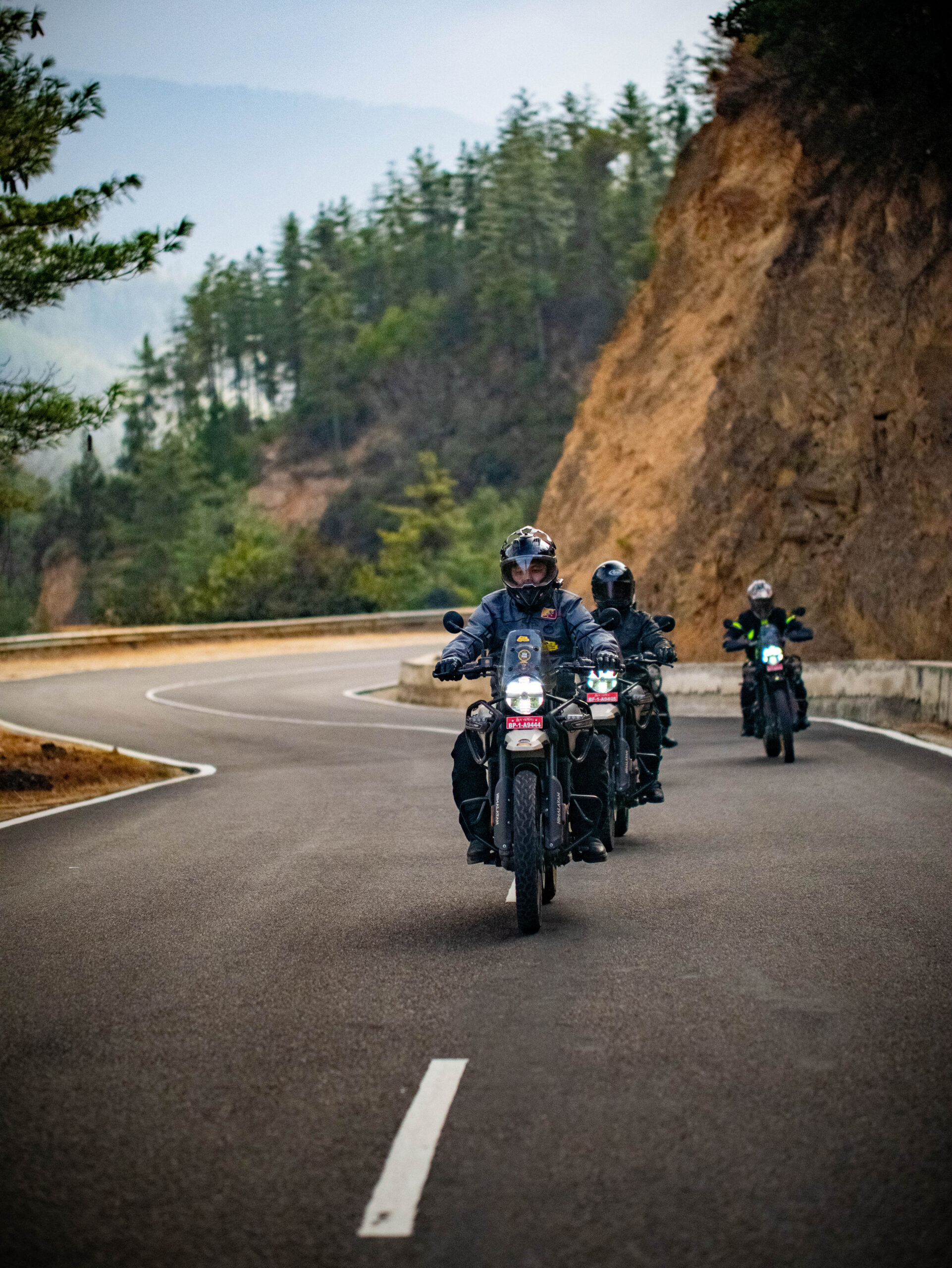
“I’ve ridden in a lot of places, but Bhutan was completely different. One minute you’re carving through a mountain pass, the next you’re sitting in a monastery receiving a blessing.”
“The riding was incredible, but it was the stops that made the trip. Farmhouse lunches, small villages, tea at Chelela and people waving as we passed.”
“I expected the roads to be the highlight. They were, but so was everything around them. You never felt like you were rushing through Bhutan just to get to the next hotel.”
“By the end, the bike felt like the best possible way to have seen the country. You notice more, stop more often and somehow feel much closer to everything.”
“Tigers nest was incredible, I only made it because of my best mate Cameron”
“I wrote more in those two weeks than I had in the previous six months. Bhutan gave me new things to write about, but more importantly, it gave me the time to actually write.”
“I loved that it wasn’t a writing retreat where you sit in a room all day. We were out meeting people, seeing extraordinary places and filling notebooks as we went.”
“Meeting Bhutanese writers and artists was one of the highlights for me. We talked about where ideas come from, what makes a story worth telling and how differently we all see the world.”
“I arrived with half an idea and no idea what to do with it. Somewhere between the long drives, conversations and mornings with my notebook, it started becoming a story.”
“I thought Bhutan was going to be really quiet and probably a bit serious. It was nothing like I expected. We went rafting, rode motorbikes to Punakha and went out in Thimphu with people our age. I came home wanting to travel everywhere.”
“The best part was being somewhere where everything felt completely different from home. Spending time with the monks was actually one of my favourite days. We talked, played games and realised we were the same age but living totally different lives.”
“I had never travelled without my family before, so I was nervous at the start. By the end I felt like I could handle anything. Laya was incredible because there was no comfort zone left. You just had to get involved.”
“It was fun, but it also made me think about things I hadn’t really thought about before. I came back more confident, more independent and definitely more interested in seeing the rest of the world.”
A Conversation Begins
Ready to begin your journey?
Every great journey starts with a conversation. Tell us what you're drawn to, and we'll shape this one around you.
Begin your journeyShaped Around You
Every journey is fully customisable and can be shaped around your interests, pace, preferences and the time you have available.