
Your Questions Answered
Everything you need to know before you go
Visas, fees, seasons, guides, access and the practical details that make planning easier. Clear answers from the team who arrange journeys very day.

Destination
Something we haven't covered? Our team in Thimphu answers these questions every day — just ask.
Talk to us
Costs, visas & the SDF
What it costs to enter Bhutan, and how the paperwork works.
-
Bhutan is not a mass-tourism destination, so it can cost more than many other places in Asia. Visitors pay a Sustainable Development Fee, which supports healthcare, education, conservation, culture and infrastructure. With Himalayan Echoes, the focus is on making every day feel meaningful, seamless and deeply personal.
-
Most international travellers need a visa before entering Bhutan. Indian nationals require a permit rather than a visa. Himalayan Echoes can guide you through the process and arrange the necessary travel documentation for your journey.
-
Bhutan charges a one-off visa application fee of USD 40. This is paid alongside the Sustainable Development Fee during the visa application process.
-
The Sustainable Development Fee, or SDF, is a daily fee paid by visitors to support Bhutan's long-term development. It helps fund free healthcare, education, environmental protection, cultural preservation and tourism infrastructure.
-
The SDF is currently USD 100 per adult per night for most international visitors, with concessionary rates for children. Indian nationals pay a different SDF rate.
-
Yes. If you are travelling with Himalayan Echoes, we can manage the visa process on your behalf and make sure the required information is submitted correctly before you travel.
Planning your journey
When to come, how long to stay, and where to spend it.
-
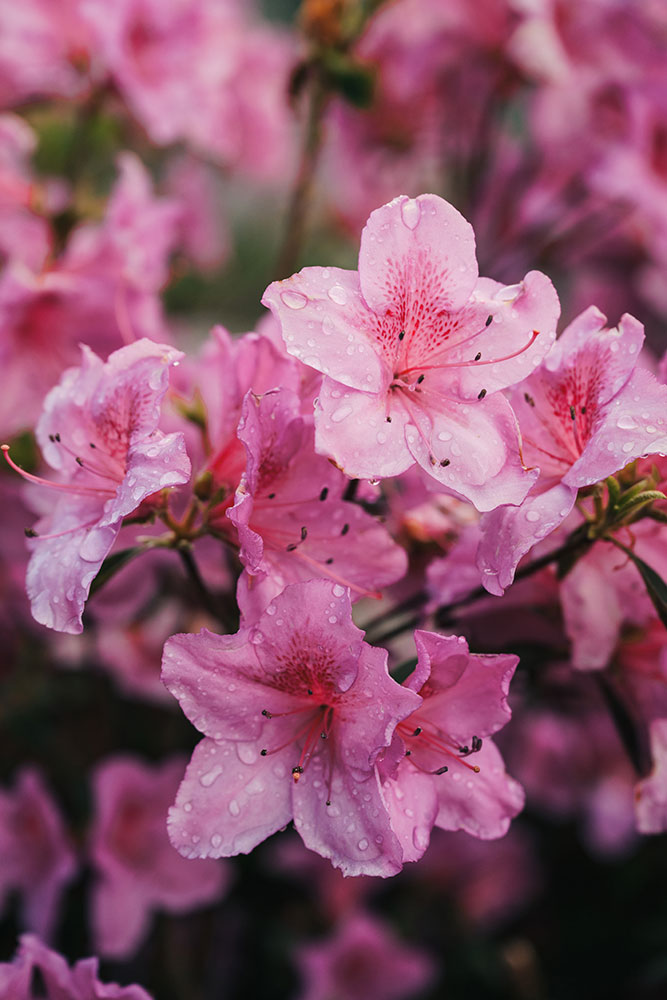
Bhutan is beautiful year-round. Spring is known for flowers and festivals, autumn for clear skies and mountain views, winter for crisp light and fewer travellers, and summer for lush valleys, waterfalls and dramatic landscapes.
-
We usually recommend 7 to 10 days for a first journey to Bhutan. This gives you time to experience Paro, Thimphu, Punakha and, depending on your interests, valleys such as Gangtey, Haa or Bumthang.
-
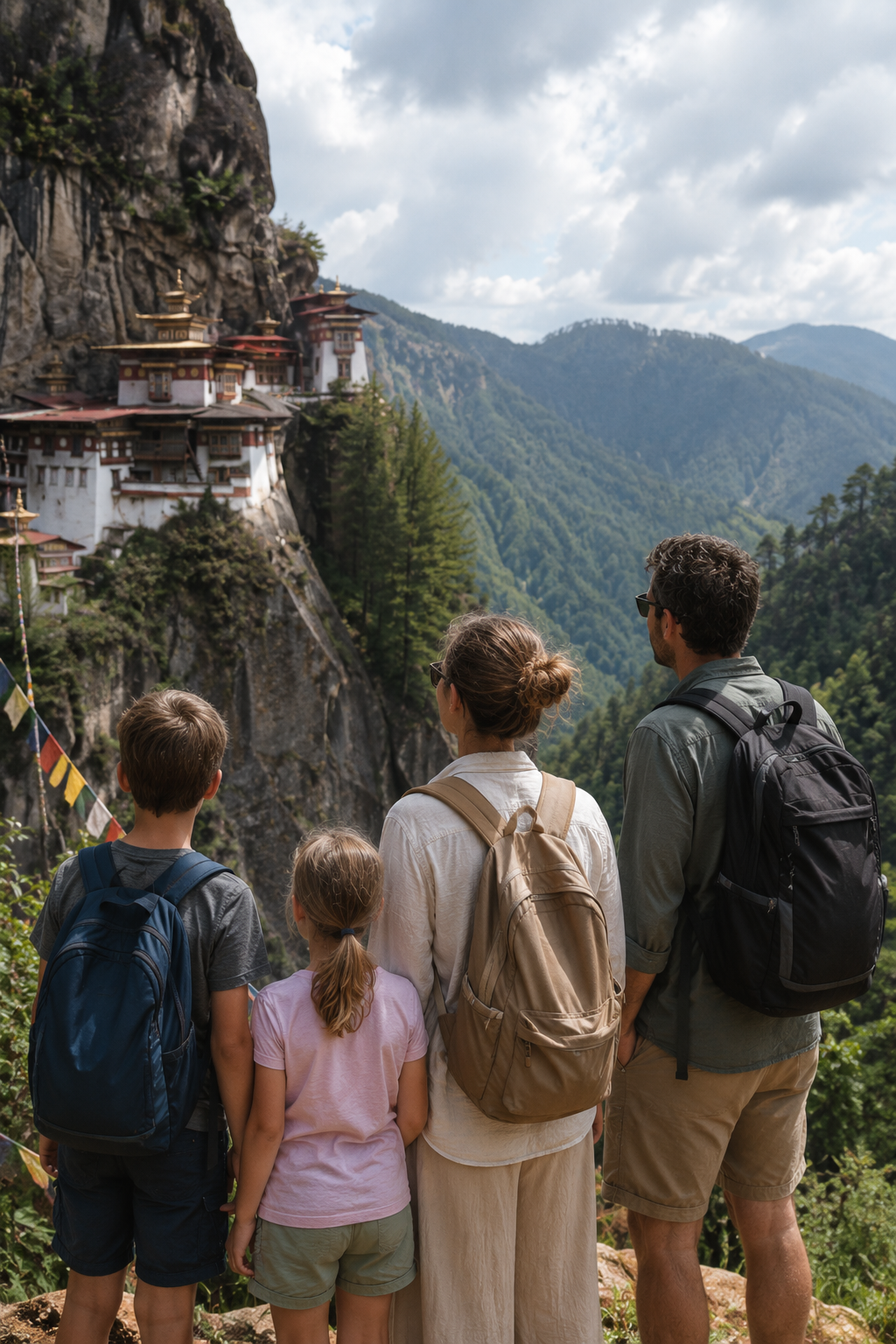
Paro, Thimphu, Punakha, Gangtey, Bumthang and Haa are among Bhutan's most celebrated destinations. Each valley has its own unique identity — Paro for the iconic Tiger's Nest and sacred temples, Thimphu for culture and capital-city energy, Punakha for lush subtropical beauty and historic dzongs, Gangtey for black-necked cranes and high-altitude serenity, Bumthang for ancient monasteries and spiritual depth, and Haa for untouched remoteness and mountain tradition. However, we also strongly recommend itineraries that span all corners of this beautiful kingdom, from lesser-known valleys to hidden mountain trails. Himalayan Echoes tailors every recommendation based on your personal interests, pace and the kind of journey you are seeking.
-
Bhutan is easier to access than it once was, but travelling with a trusted local partner gives you a far richer experience. Himalayan Echoes manages the logistics, guides, access and timing, so your journey feels effortless rather than complicated.
Getting there
Flights, routes and private aviation into the kingdom.
-
Most international travellers fly into Paro International Airport. Flights operate from cities including Bangkok, Delhi, Kolkata, Kathmandu, Dhaka, Singapore, Bagdogra and Guwahati, depending on schedules and seasonality.
-
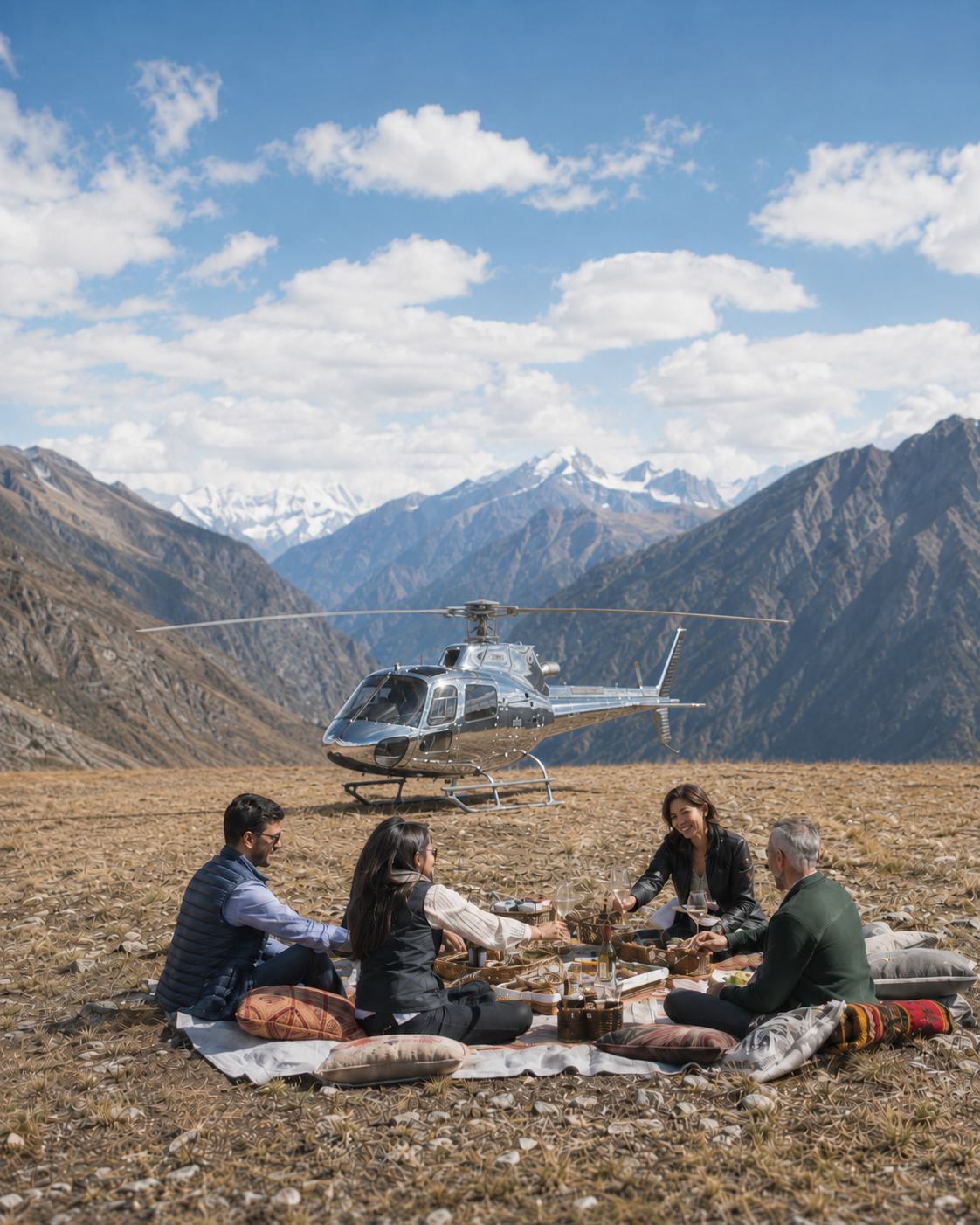
Yes, private jets and charters can fly into Bhutan with the relevant approvals. Himalayan Echoes can assist with the coordination required for private aviation and premium arrivals.
On the ground
Guides, safety, trekking and the rules worth knowing.
-
For many cultural sites, monuments, dzongs and treks, a licensed guide is required. Even where it is not strictly necessary, a good guide makes a huge difference, bringing Bhutan's stories, rituals and landscapes to life.
-
Yes. Bhutan is widely regarded as a very safe destination, including for solo travellers and families. As with anywhere, it is sensible to take care of your belongings, follow local advice and travel with proper insurance.
-
Travel insurance is no longer mandatory, but it is strongly recommended. Bhutan is mountainous and remote in places, so insurance is important for medical care, cancellations, delays and unexpected changes.
-
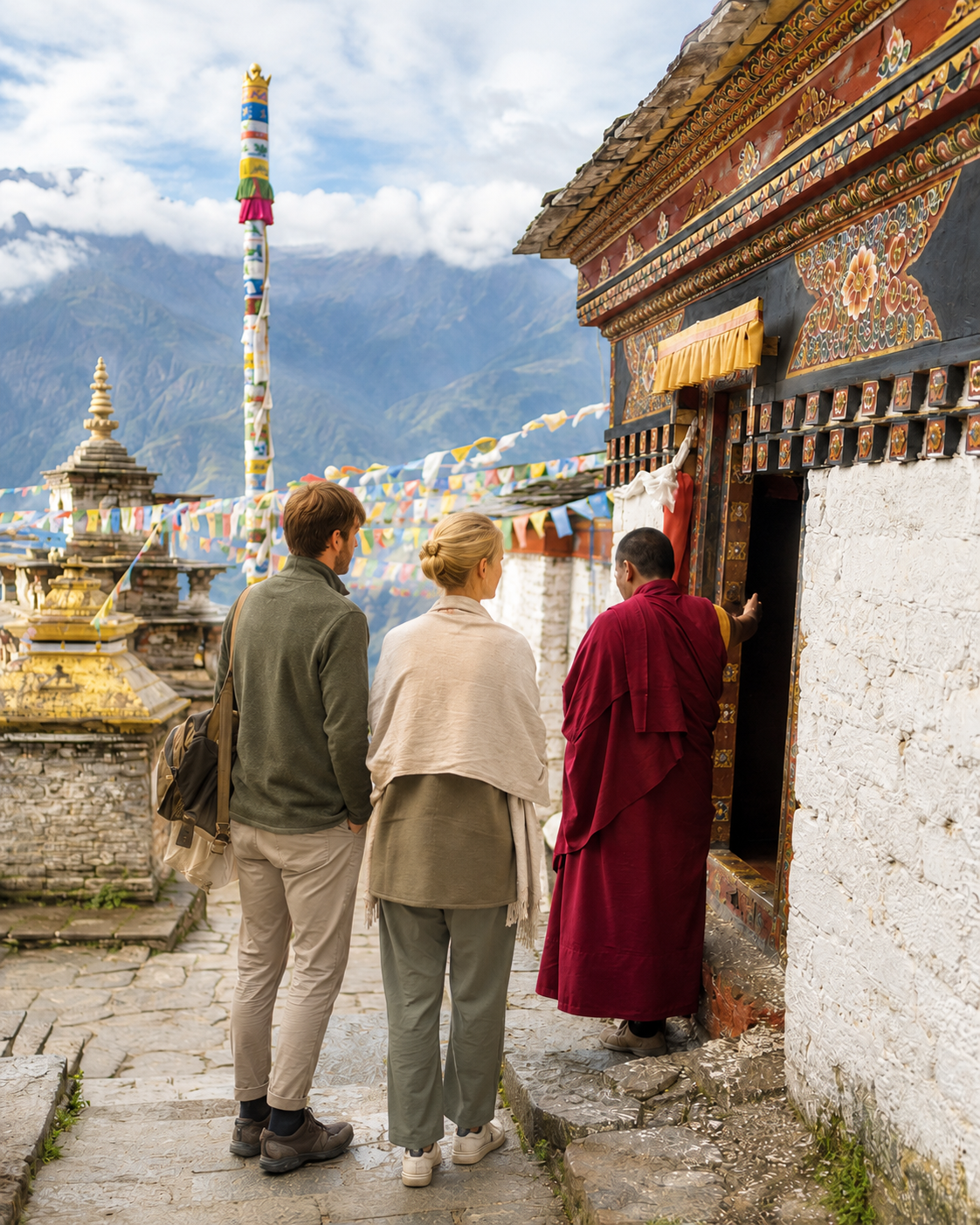
There is no strict dress code for visitors, but modest, respectful clothing is appreciated, especially at monasteries, temples and dzongs. Shoulders and knees should be covered when visiting religious sites.
-
No. Treks in Bhutan must be arranged with a licensed guide or accredited operator. This helps ensure safety, proper logistics, environmental care and meaningful local support.
-
Drone use is not allowed without government approval.
Where you'll stay & eat
Lodges, farmhouses and what lands on the table.
-
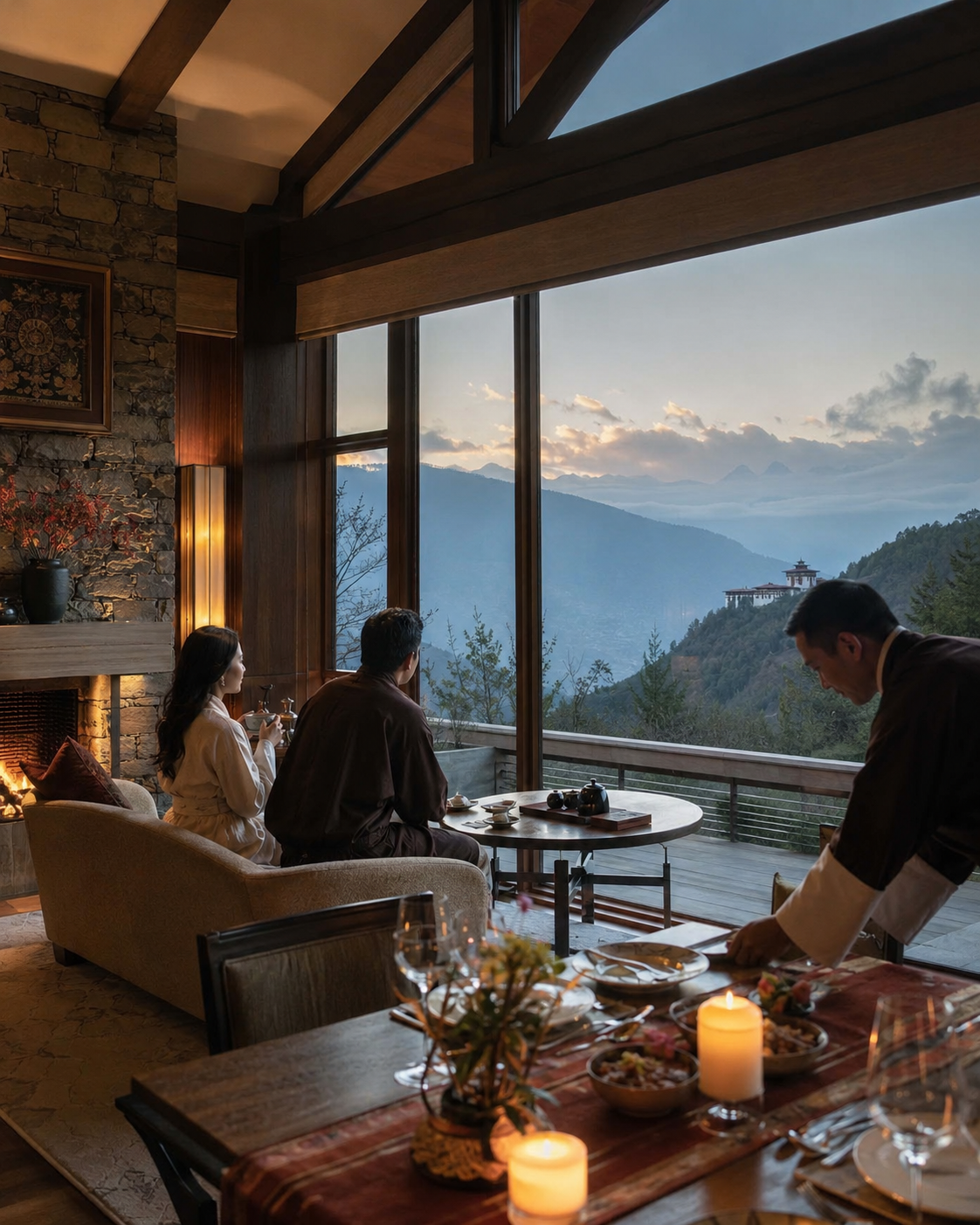
Bhutan offers everything from luxury lodges and five-star hotels to boutique stays, traditional guesthouses and approved homestays. Himalayan Echoes selects accommodation based on your preferred style, pace and level of comfort.
-
Bhutanese food is bold, comforting and full of flavour. Chillies, cheese, red rice, buckwheat, mushrooms and local vegetables are common. We can also arrange refined dining, private meals, farm experiences and vegetarian-friendly menus.
-
Yes. Bhutan is very manageable for vegetarian travellers, especially with the right planning. Many traditional dishes are vegetable-based, and Himalayan Echoes works closely with hotels, chefs and hosts to suit dietary preferences.
Practicalities
Money, connectivity, language and plug sockets.
-
Bhutan's national language is Dzongkha, but English is widely spoken, especially in tourism, education, hotels and major towns.
-
Bhutan's currency is the Ngultrum, which is pegged one-to-one with the Indian Rupee. Indian Rupees are also widely accepted, although it is useful to carry some local currency.
-
Credit cards are accepted in many hotels, shops and restaurants in urban areas, but not everywhere. We recommend carrying some cash, especially when travelling to smaller towns, rural valleys or local markets.
-
Most hotels offer Wi-Fi, though speeds can vary by location. For more reliable access, we recommend getting a local SIM card on arrival.
-
Bhutan uses a mix of plug types, including British-style, European-style and Indian-style sockets. It is best to bring a universal travel adaptor.
Is Bhutan for you?
Families, luxury, and what the place actually feels like.
-
Yes. Bhutan is a wonderful destination for families, especially for children who enjoy nature, animals, stories, crafts and being outdoors. Himalayan Echoes can design journeys with gentle pacing and age-appropriate experiences.
-
Yes. Bhutan offers a very different kind of luxury: space, privacy, rare access, extraordinary guides, beautiful lodges and deeply meaningful cultural experiences. It is less about excess and more about depth, care and connection.
-
Bhutan is calm, intimate and quietly powerful. Many travellers come for the landscapes and monasteries, but leave remembering the people, the sense of space and the feeling of being deeply present.
-
Absolutely. Bhutan offers something increasingly rare in today's world — a sense of stillness, authenticity and genuine connection. Beyond the monasteries and mountain scenery, it is the feeling of the country that stays with most travellers long after they leave.