


Case study November 2026
Designing the next three years: A leadership retreat in Bhutan
The brief was clear: bring the management team together to work on the company’s next three years, and give them a trip that felt like a reward.
Five days in Bhutan to help a management team prepare for the future
| The theme | The group | The Journey | |
| Designing the future | 22 members of a well-known European car brand’s management team | Four nights across Thimphu and Paro, during Thimphu Tshechu |
With 22 people and five days, there was plenty to fit in. The team needed private meeting space, uninterrupted time for discussion and comfortable places to stay. They also wanted to see Bhutan, particularly the festival that would be taking place during their visit.
Himalayan Echoes built the programme around Thimphu and Paro, keeping travel manageable and leaving time to enjoy each place.
Bhutanese hospitality, with the budget in mind
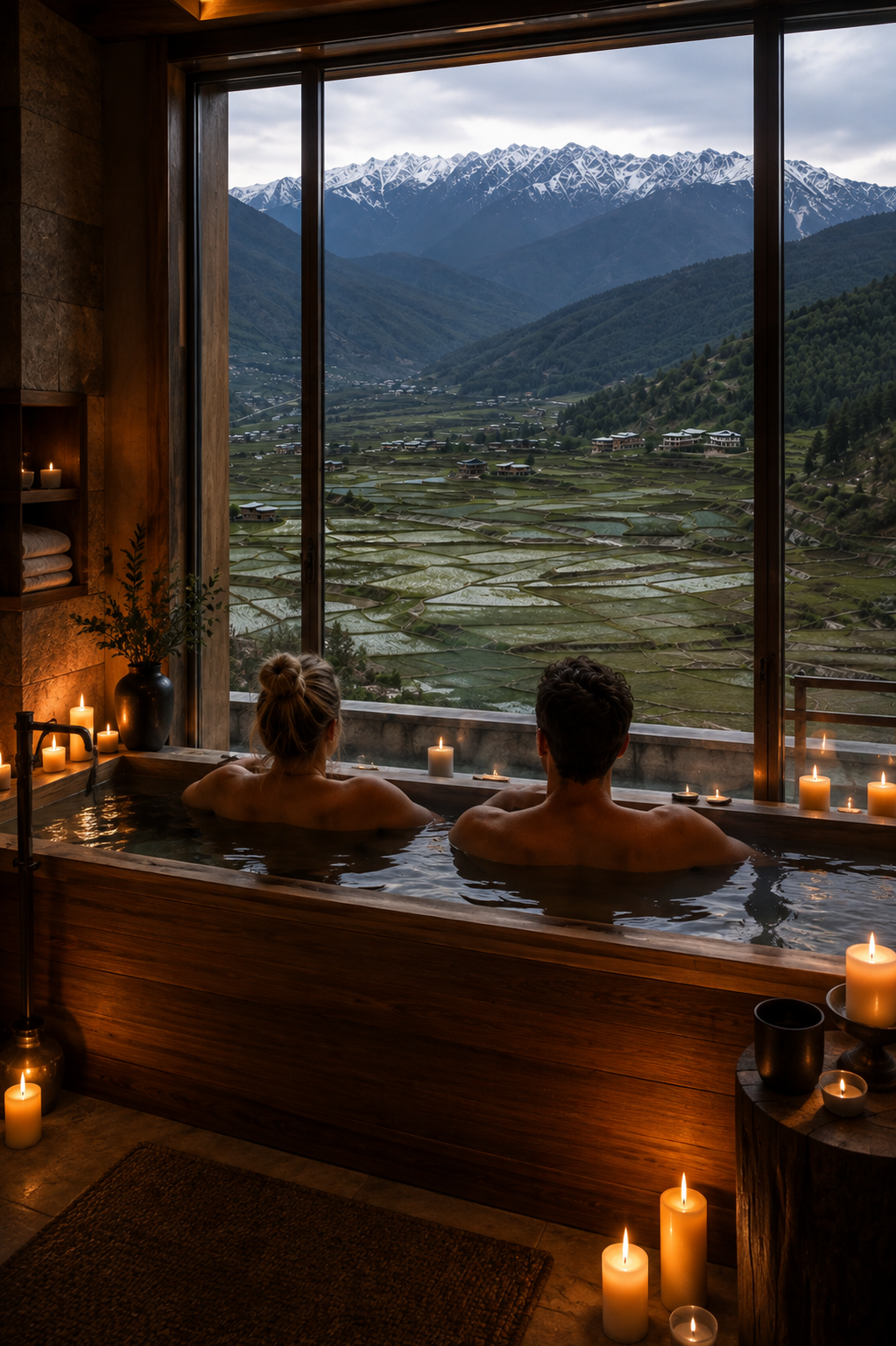
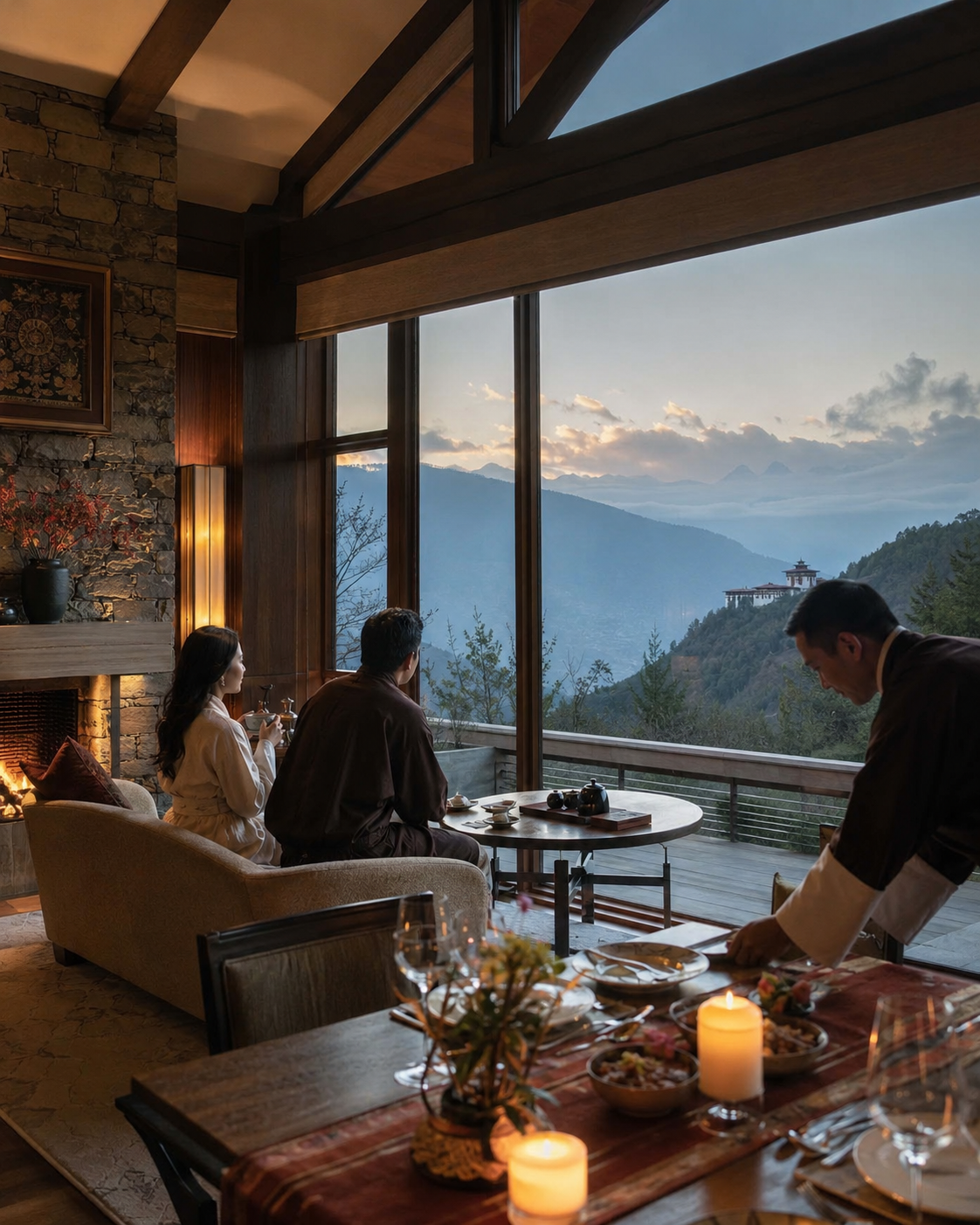
The group stayed in luxurious, homegrown Bhutanese four-star hotels. These brought local character to the stay through the architecture, food and hospitality, while providing the comfort and practical facilities the team needed.
The Sustainable Development Fee, or SDF, was waived for this group, which helped keep the overall cost manageable. Alongside the choice of hotels, this gave us more room in the budget for private guides, shared meals and activities throughout the retreat.
Day one: Arriving in Bhutan
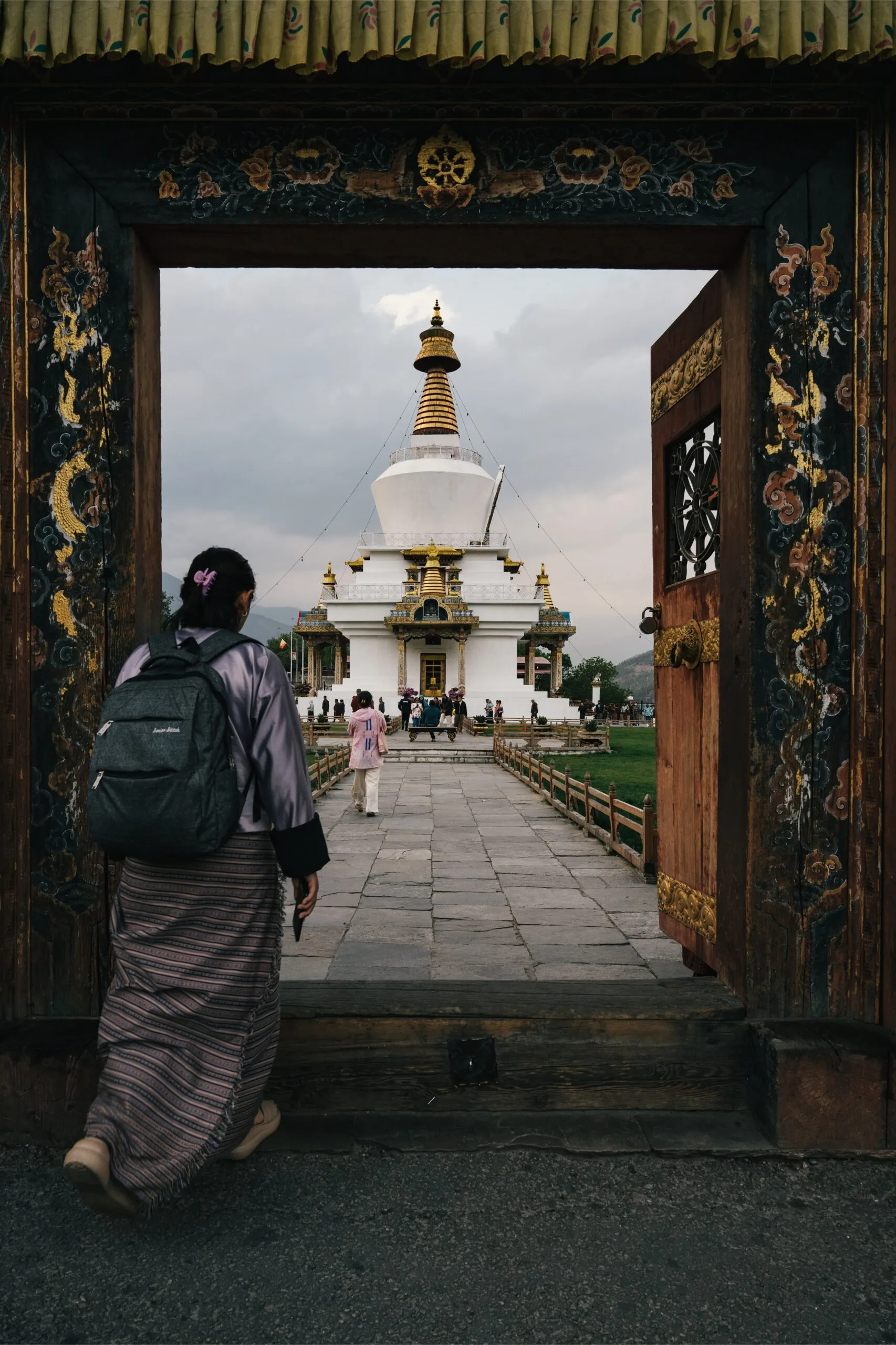
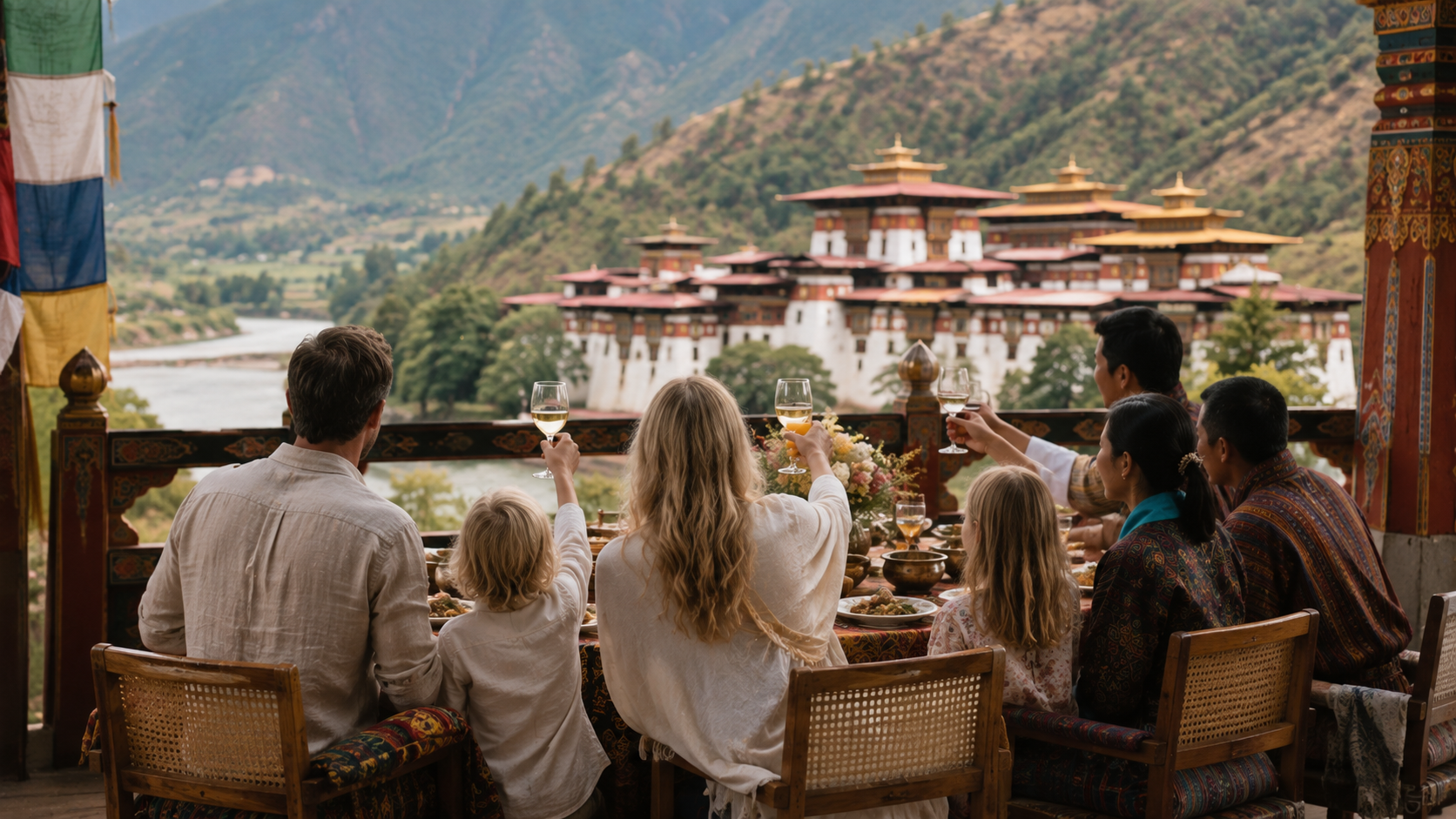
After landing in Paro, the team met their Himalayan Echoes guides and travelled to Thimphu. There was time to settle into the hotel and take a gentle walk around town before a welcome dinner featuring Bhutanese dishes.
The first evening was kept relaxed. It gave colleagues time to catch up, meet their hosts and ease into the days ahead.
Day two: Strategy, then Thimphu Tshechu
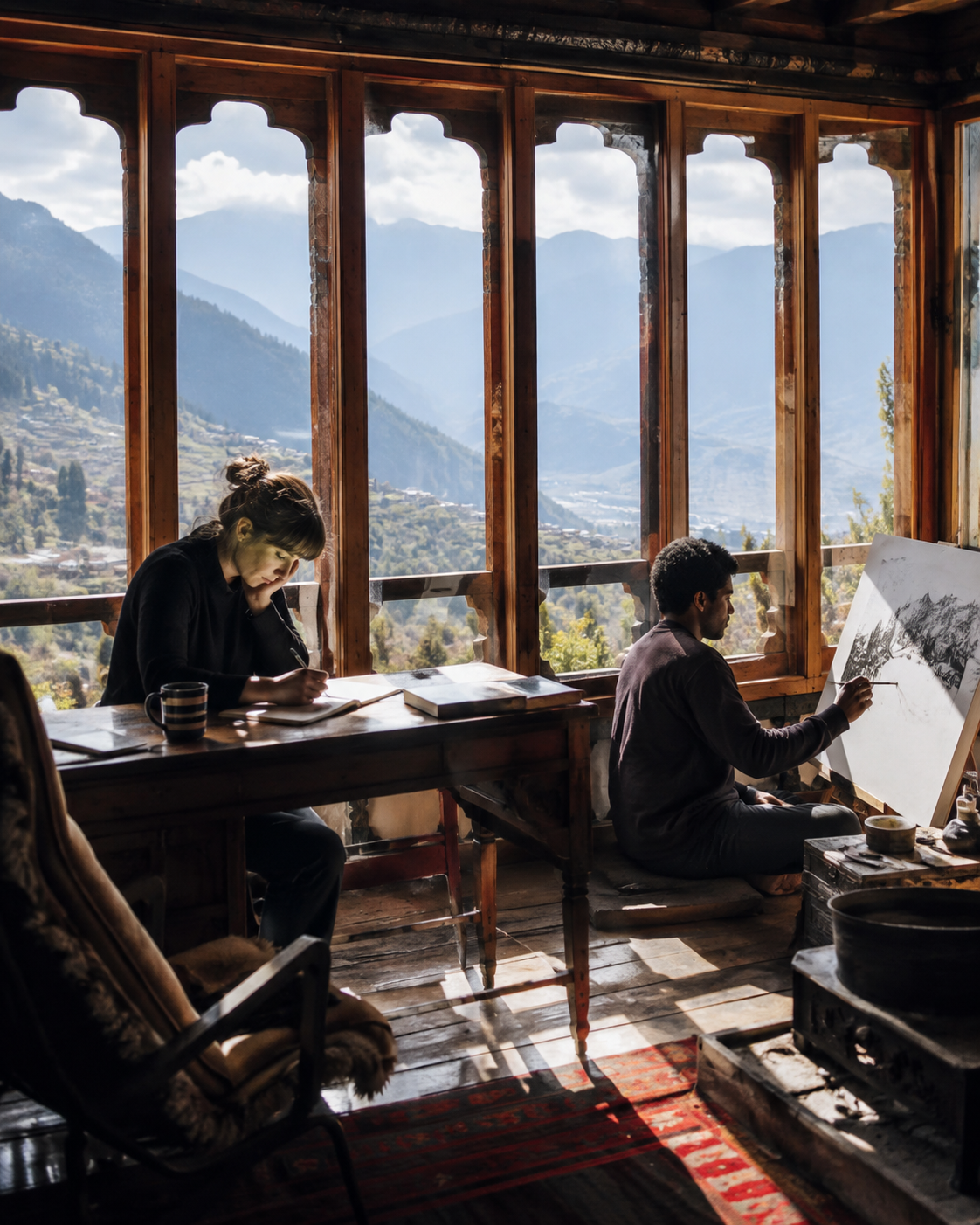
The first working session began after breakfast, with three hours reserved for the company’s priorities over the next three years. Phones stayed away until lunch.
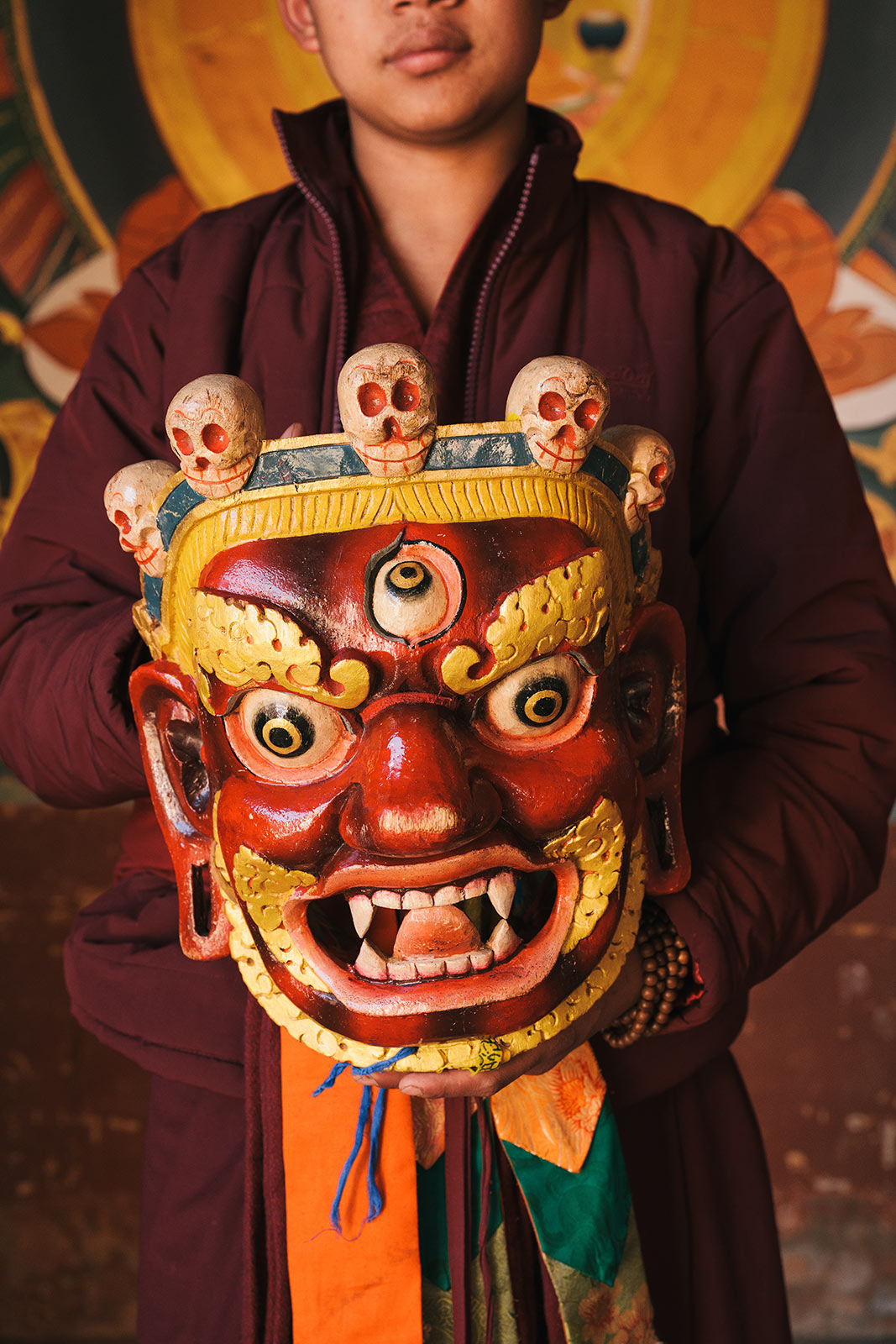
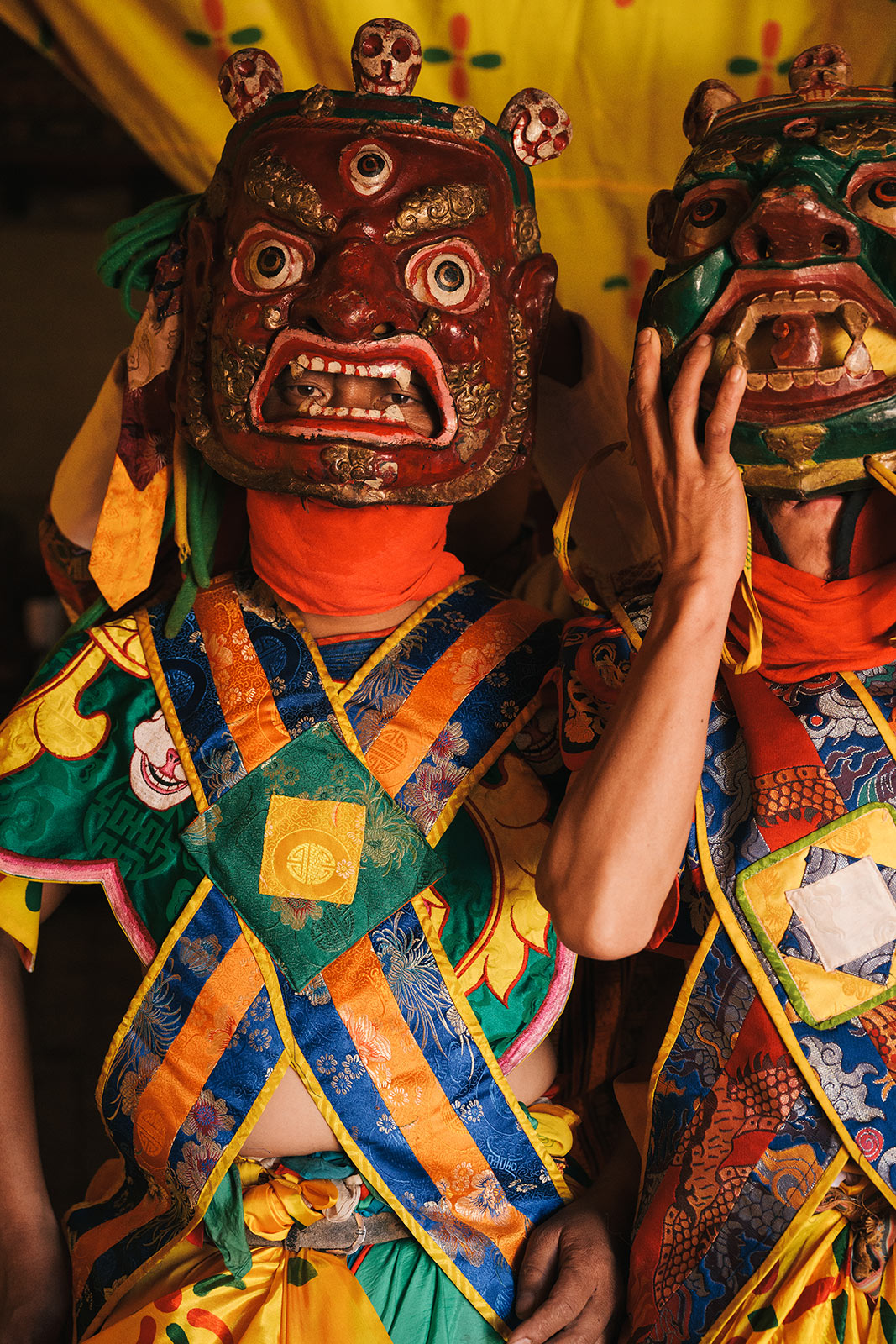
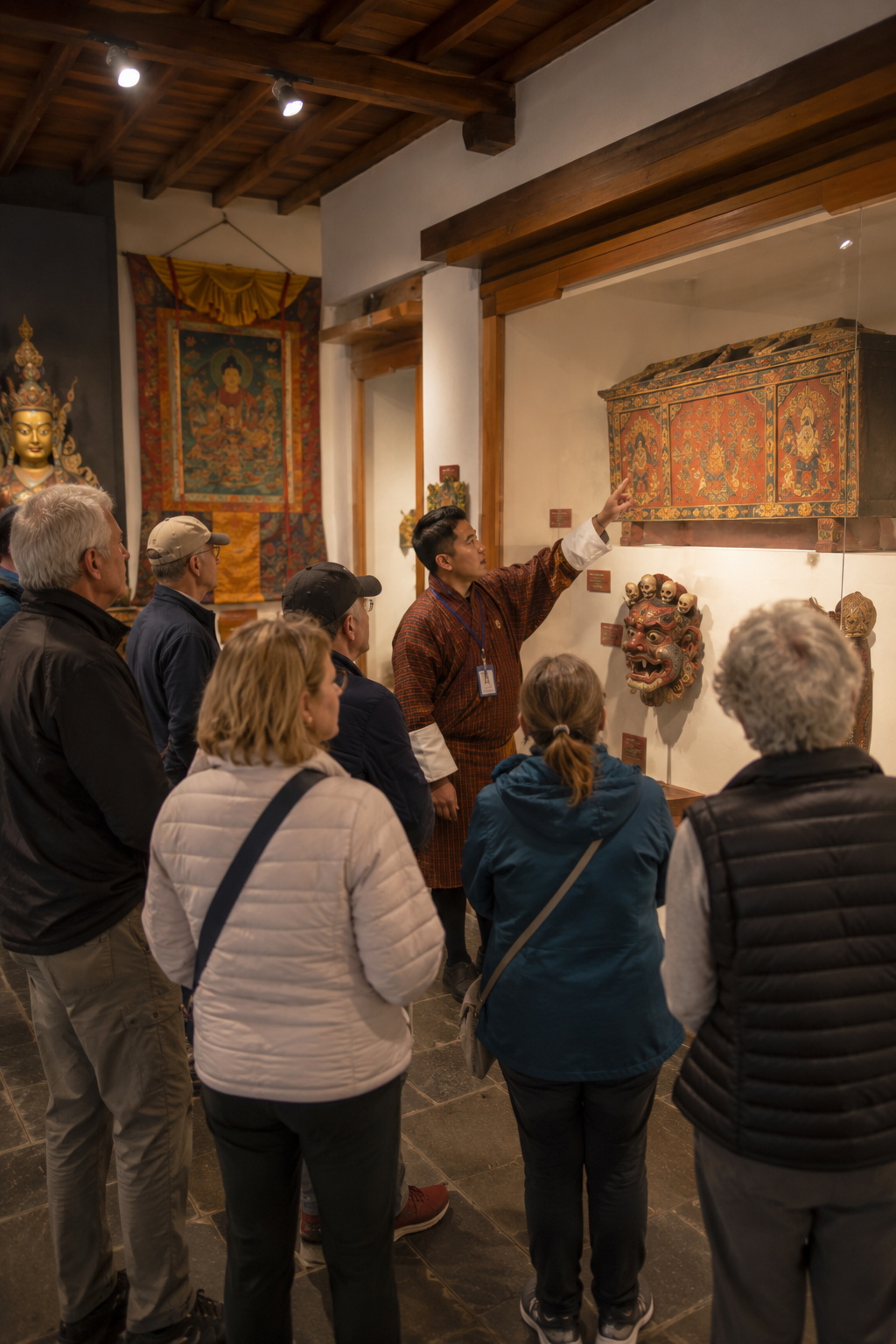
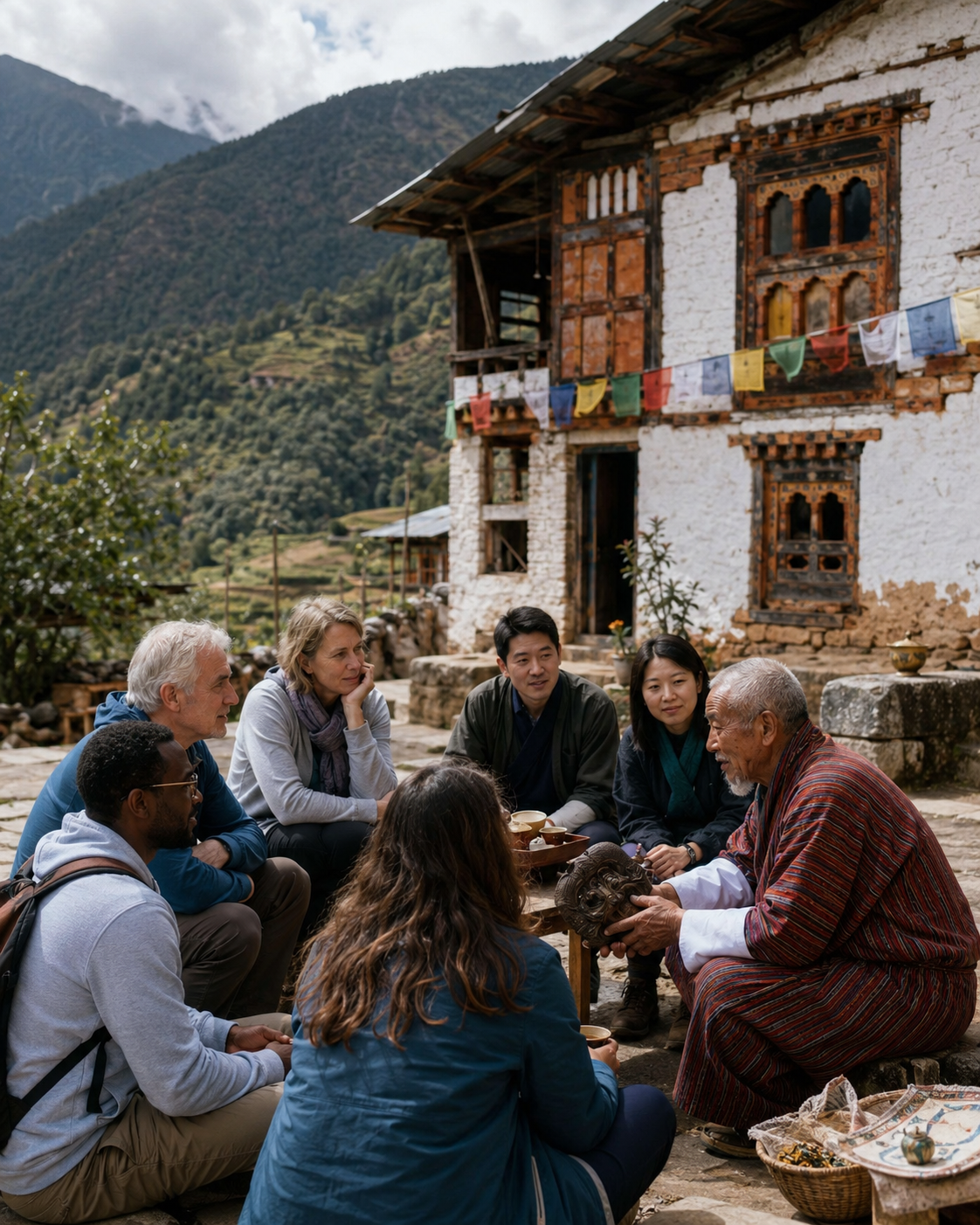
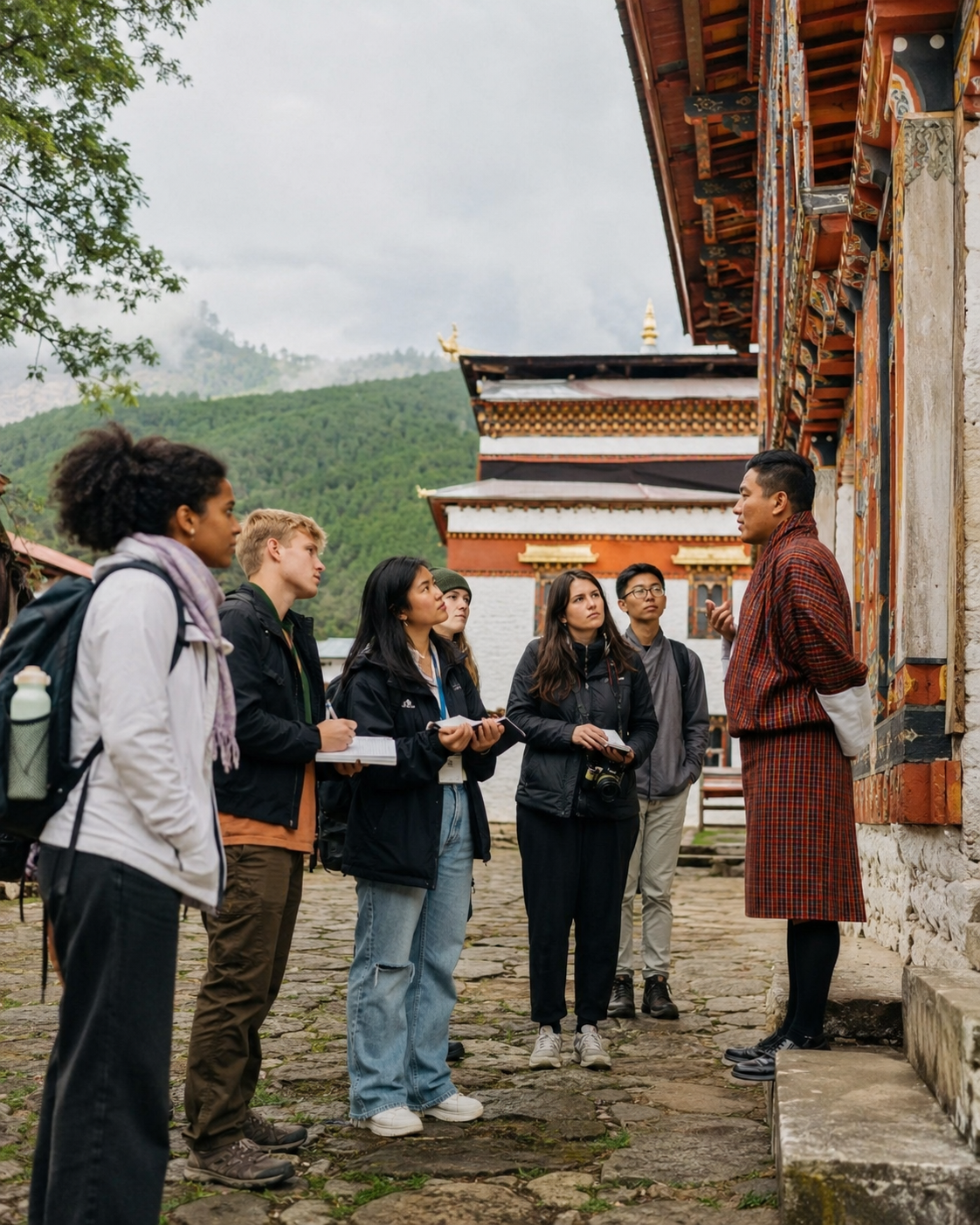
That afternoon, the group joined the crowds at Thimphu Tshechu. Families had arrived in their finest ghos and kiras, and masked dancers filled the festival courtyard. The guides explained the stories behind the dances and helped the team understand what they were watching.
Over dinner, there was plenty to talk about beyond the morning’s agenda.
Day three: Decisions and the journey to Paro
The second morning focused on turning the previous day’s discussions into decisions. Which priorities would come first? What would each department need to deliver? Where did the team still disagree?
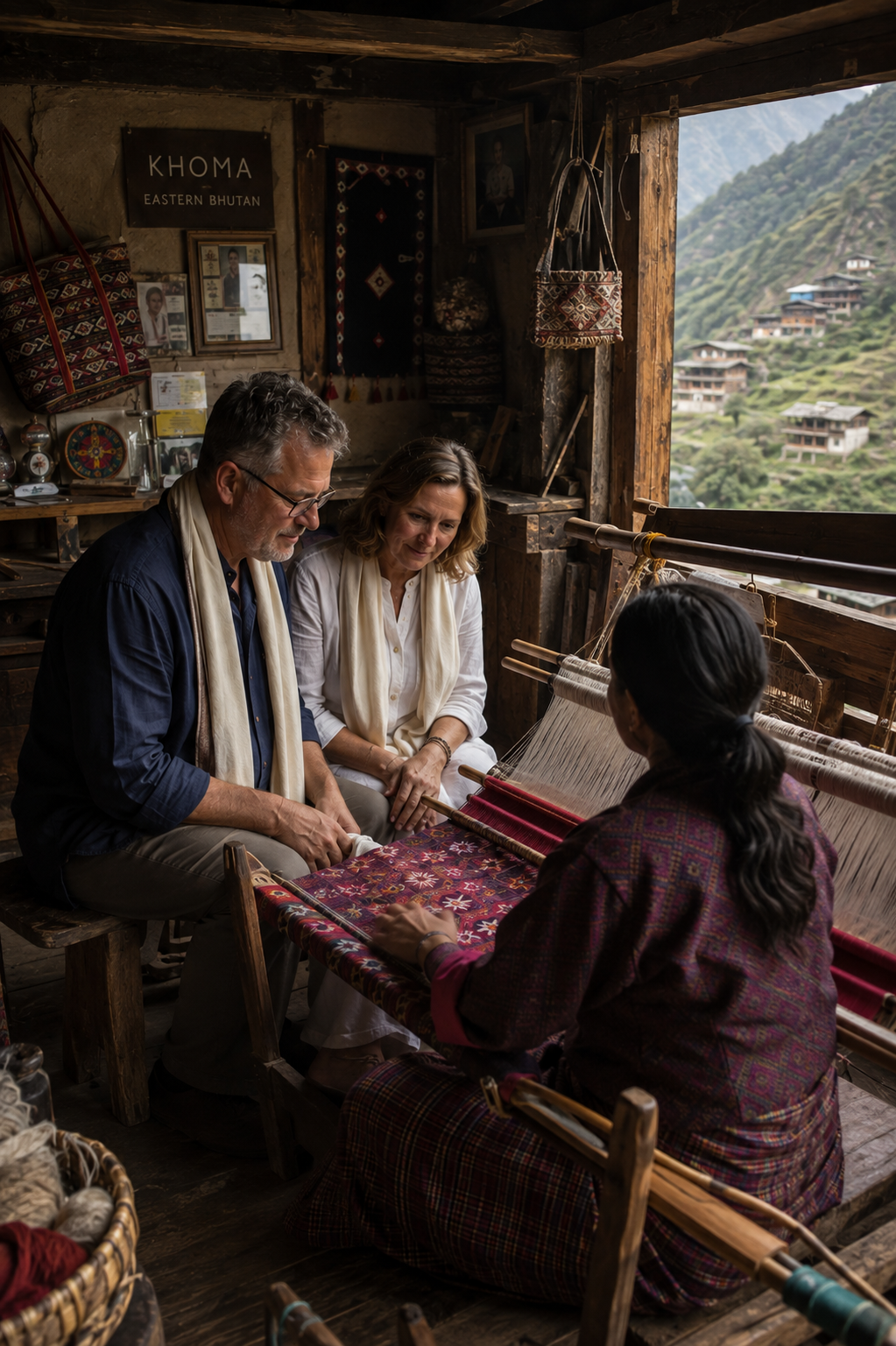
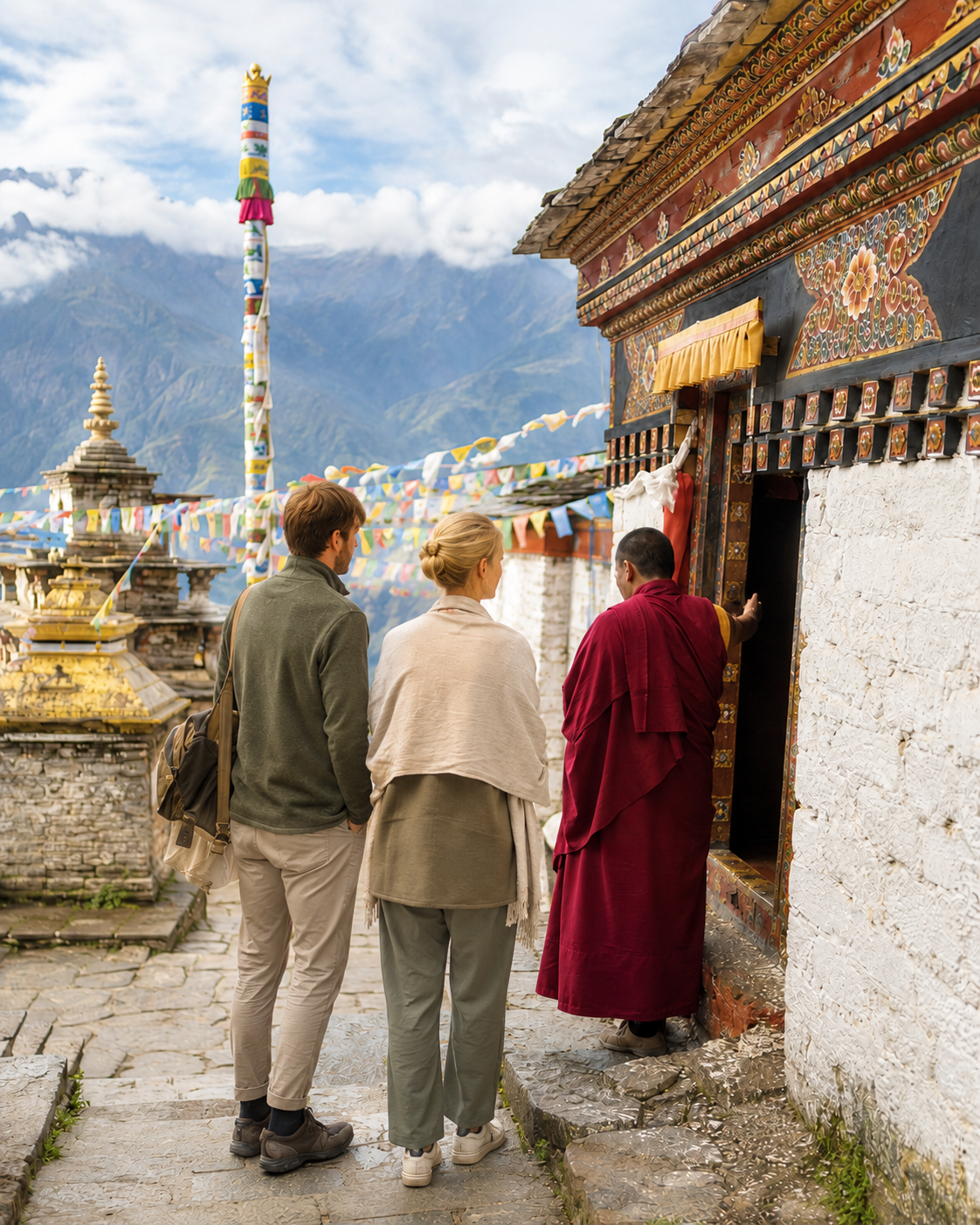
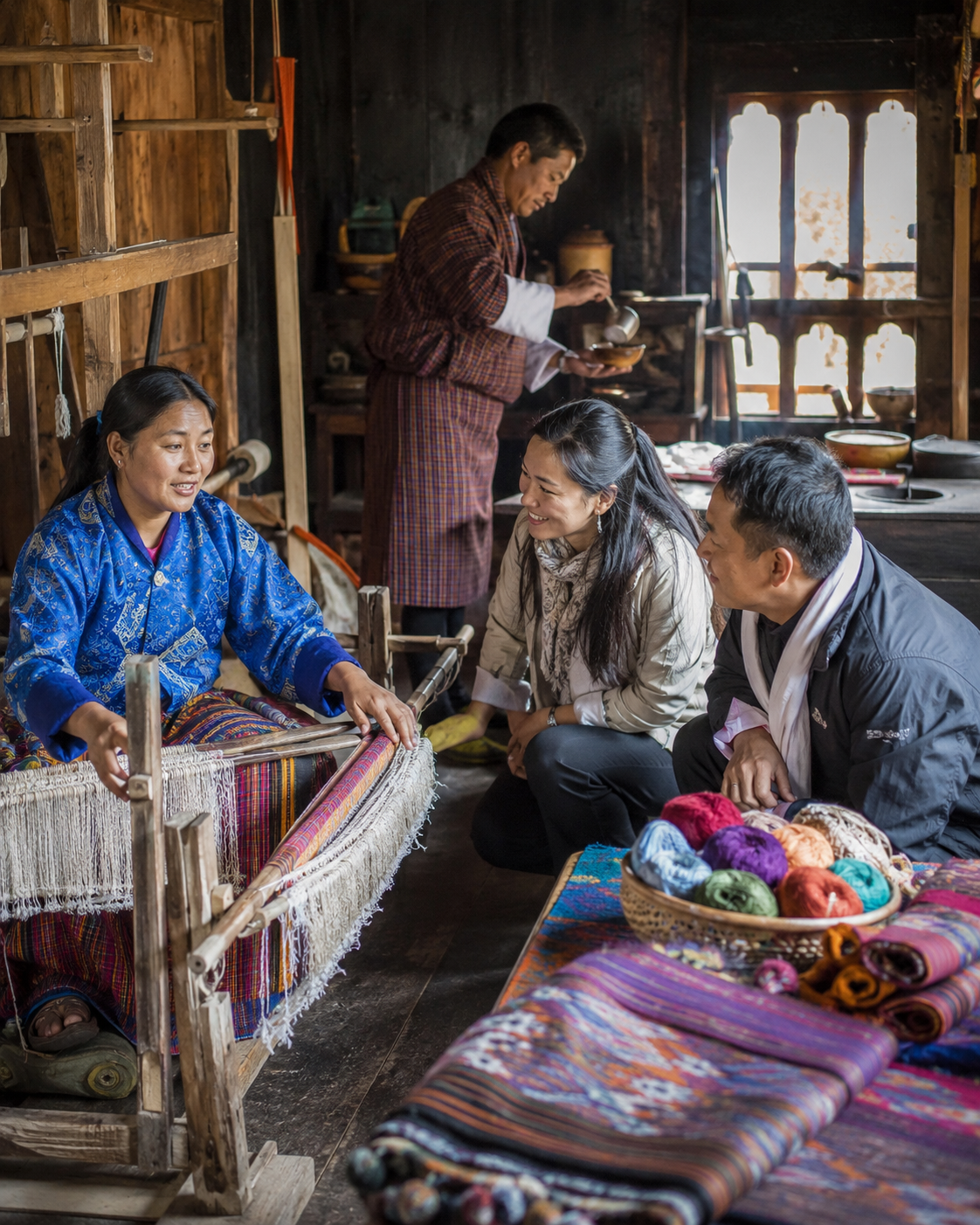
After lunch, the group travelled to Paro. A guided visit to Rinpung Dzong and a walk through the town’s shops gave the afternoon a different pace. There was time to browse local textiles and handicrafts before dinner.
Day four: Walking to Tiger’s Nest
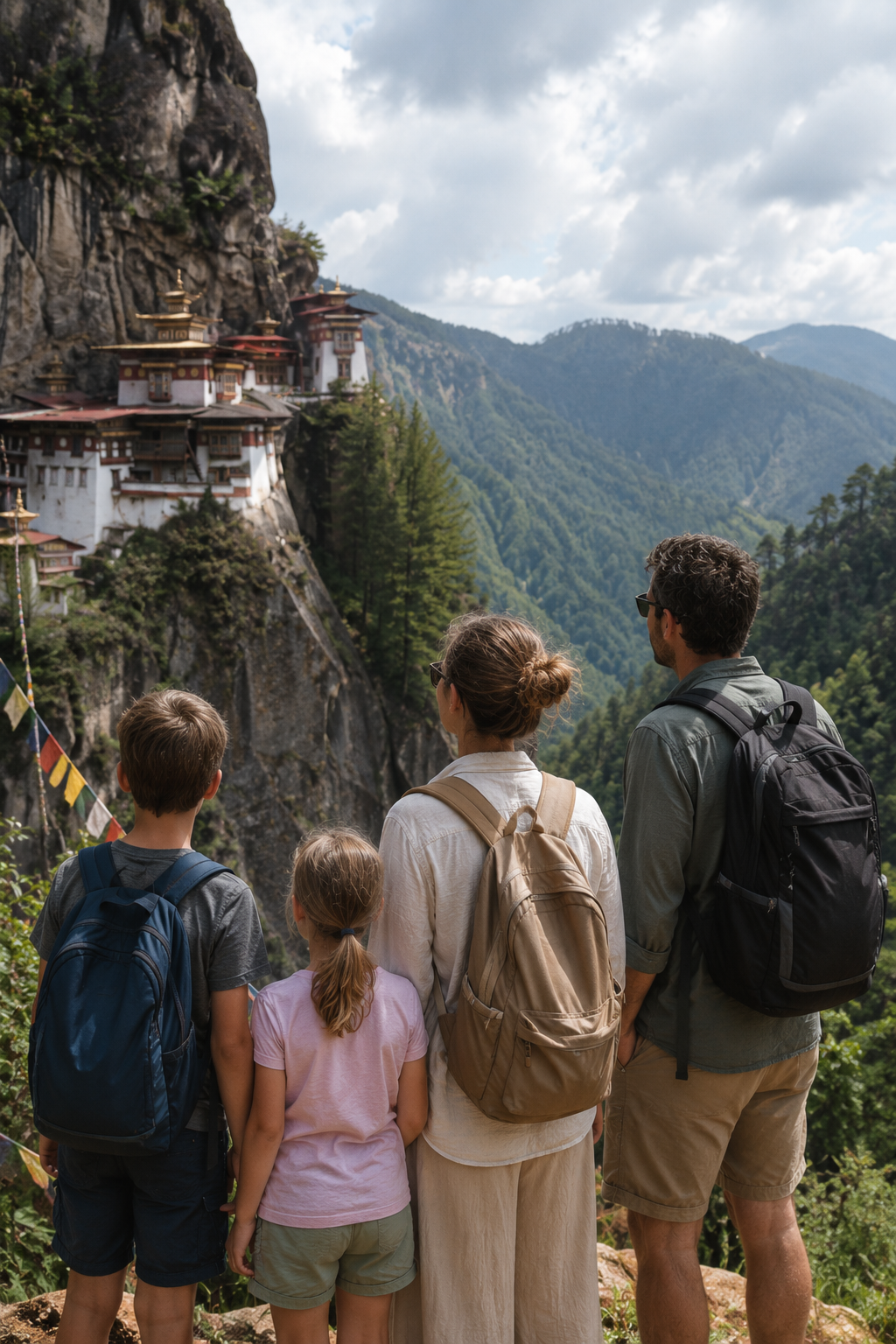
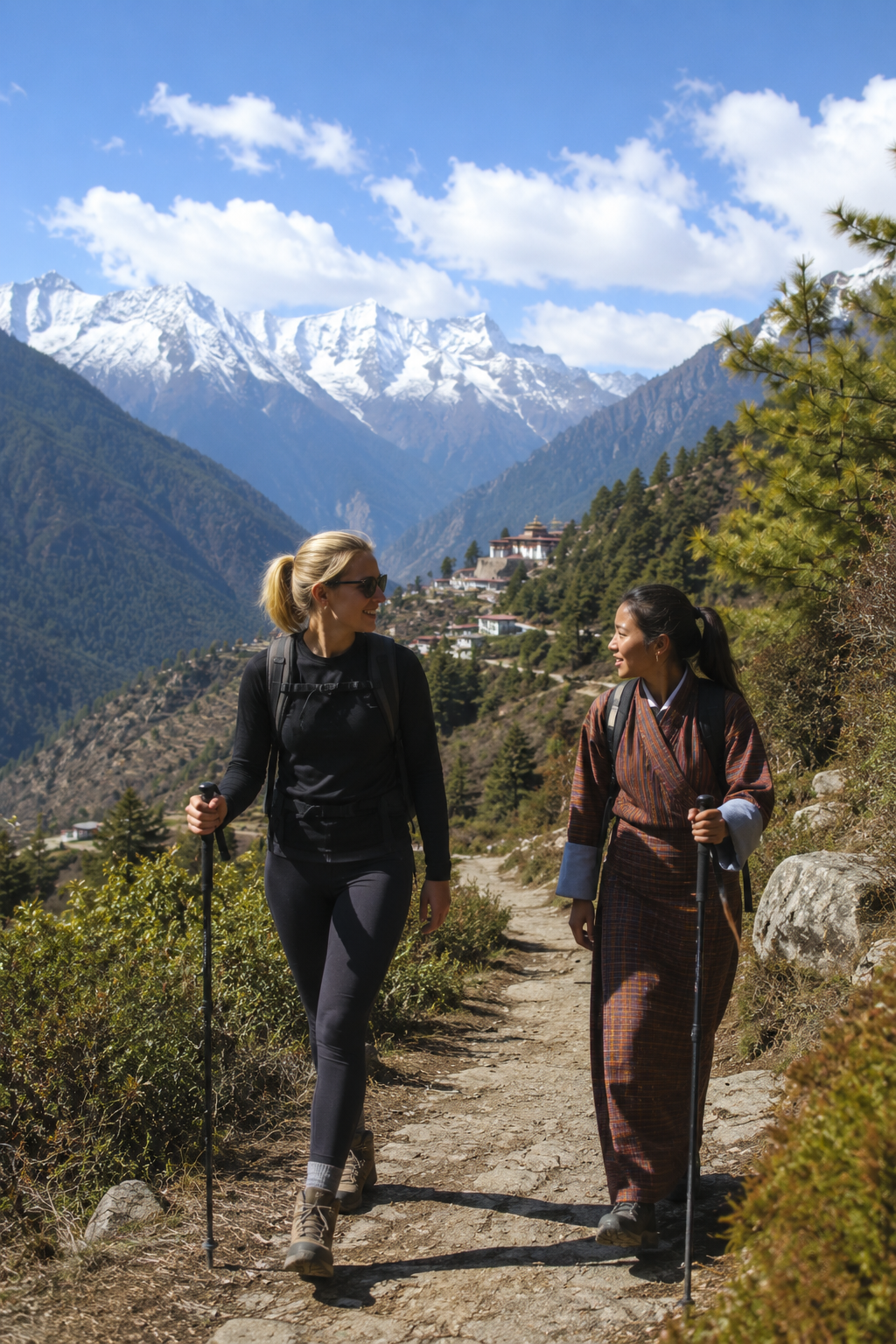
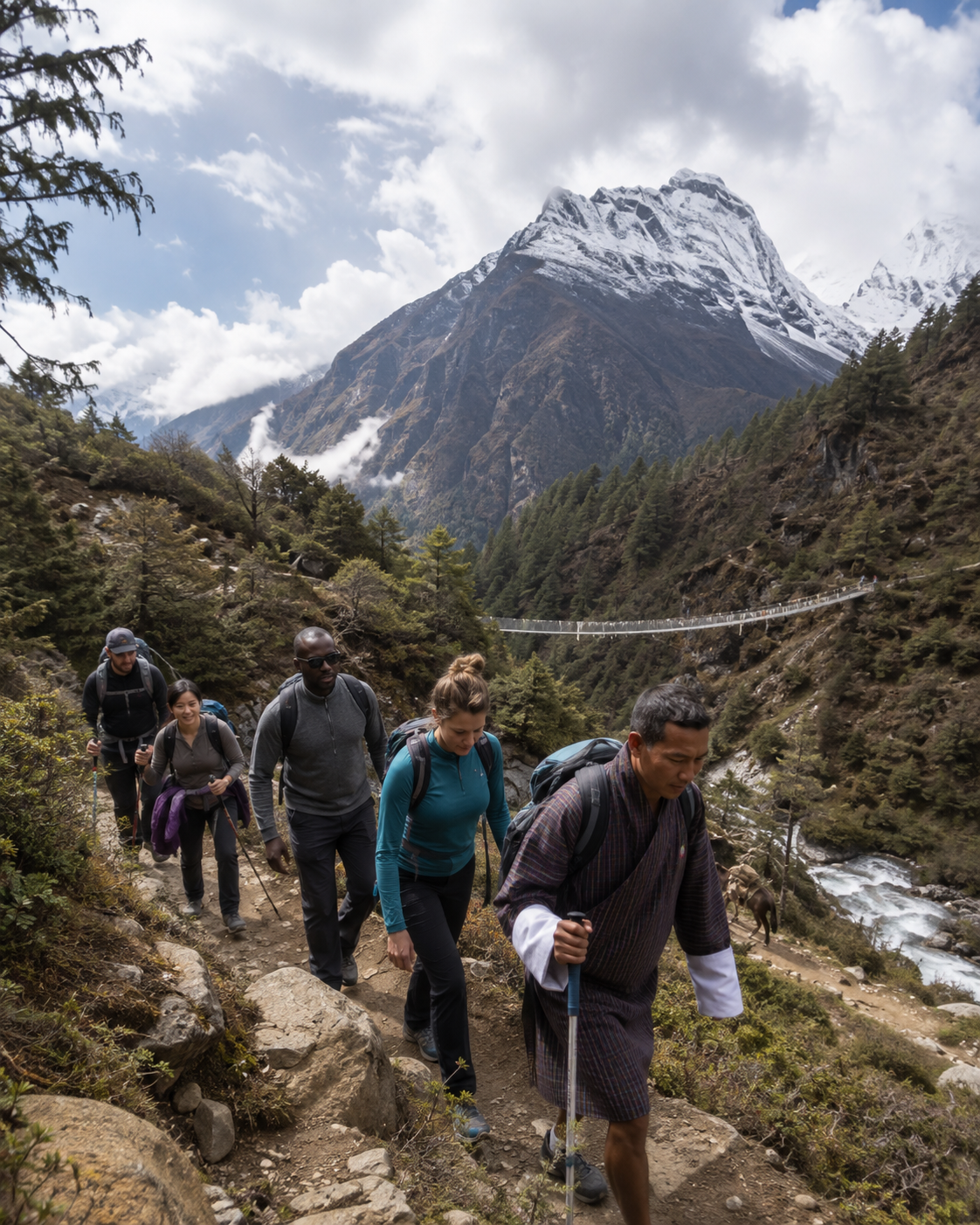
The fourth day was set aside for Tiger’s Nest. The group started early, with guides supporting different walking speeds and allowing plenty of time for breaks.
At the cafeteria, tea came with a view of the monastery across the valley. Some colleagues walked together; others enjoyed a quieter stretch of the climb. After two mornings around a meeting table, it was a welcome way to spend time together.
Back at the hotel, there was time to rest before a farewell dinner and a friendly archery session, with local instructors introducing Bhutan’s national sport.
Day five: Bringing the plan together
Before departure, the team held a final working breakfast. They reviewed the decisions made during the retreat, confirmed responsibilities and agreed the first actions to take back to the business.
The group then travelled to Paro Airport with a three year plan agreed and five days of shared memories behind them.
What Himalayan Echoes brought to the retreat
Our Bhutan team handled the planning and delivery together, from choosing locally owned hotels to checking meeting facilities and coordinating festival visits. The people who knew the destination were directly involved in making the programme work.
That local knowledge mattered during a busy festival week. It helped with room availability, realistic journey times, festival etiquette and knowing when to adjust the afternoon so a useful discussion could continue.
We also built the retreat around the company’s brief. The working sessions had protected time, activities suited the group, and guides could accommodate different interests and walking abilities. Private transport and one team coordinating the arrangements meant the organisers could take part in the retreat themselves.
The result was a productive five days with a strong sense of place: a plan for the business, time together as colleagues and a proper introduction to Bhutan.
Planning a retreat for your team? Tell us what you want to achieve, your group size and your budget. We’ll take care of the details.