
 All journal
 Destination February 2026
A rare window into Bhutan’s most sacred festival
Paro Tshechu explained — the masked dances, the 2026 dates, and the dawn unveiling of the Thongdrol that most visitors never see.
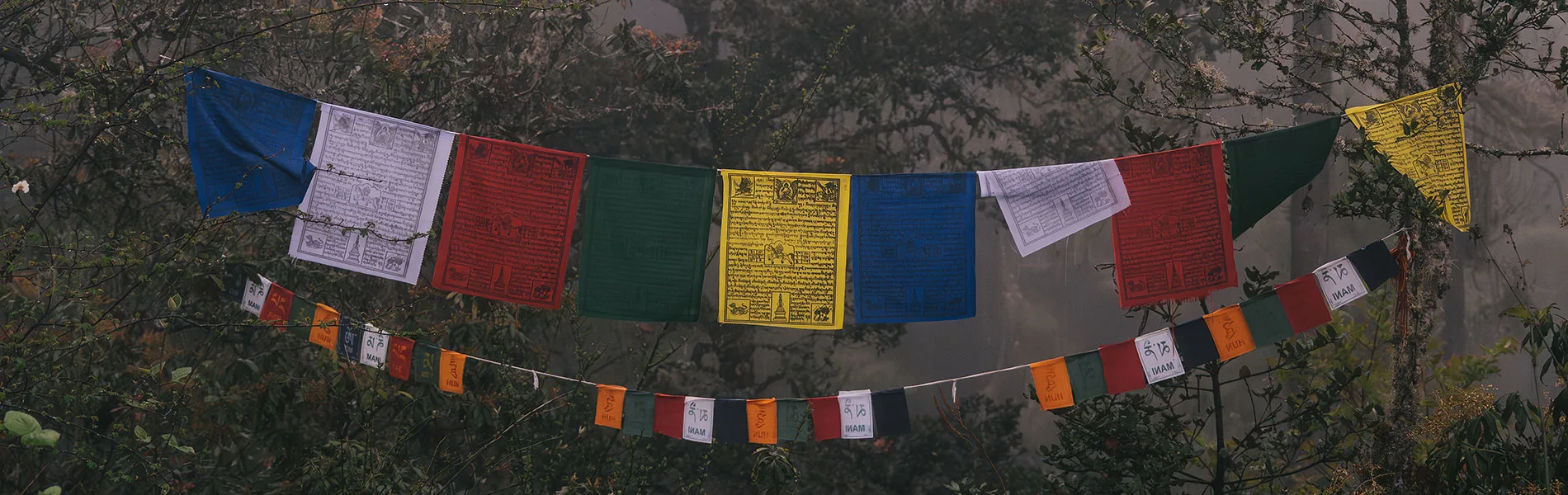
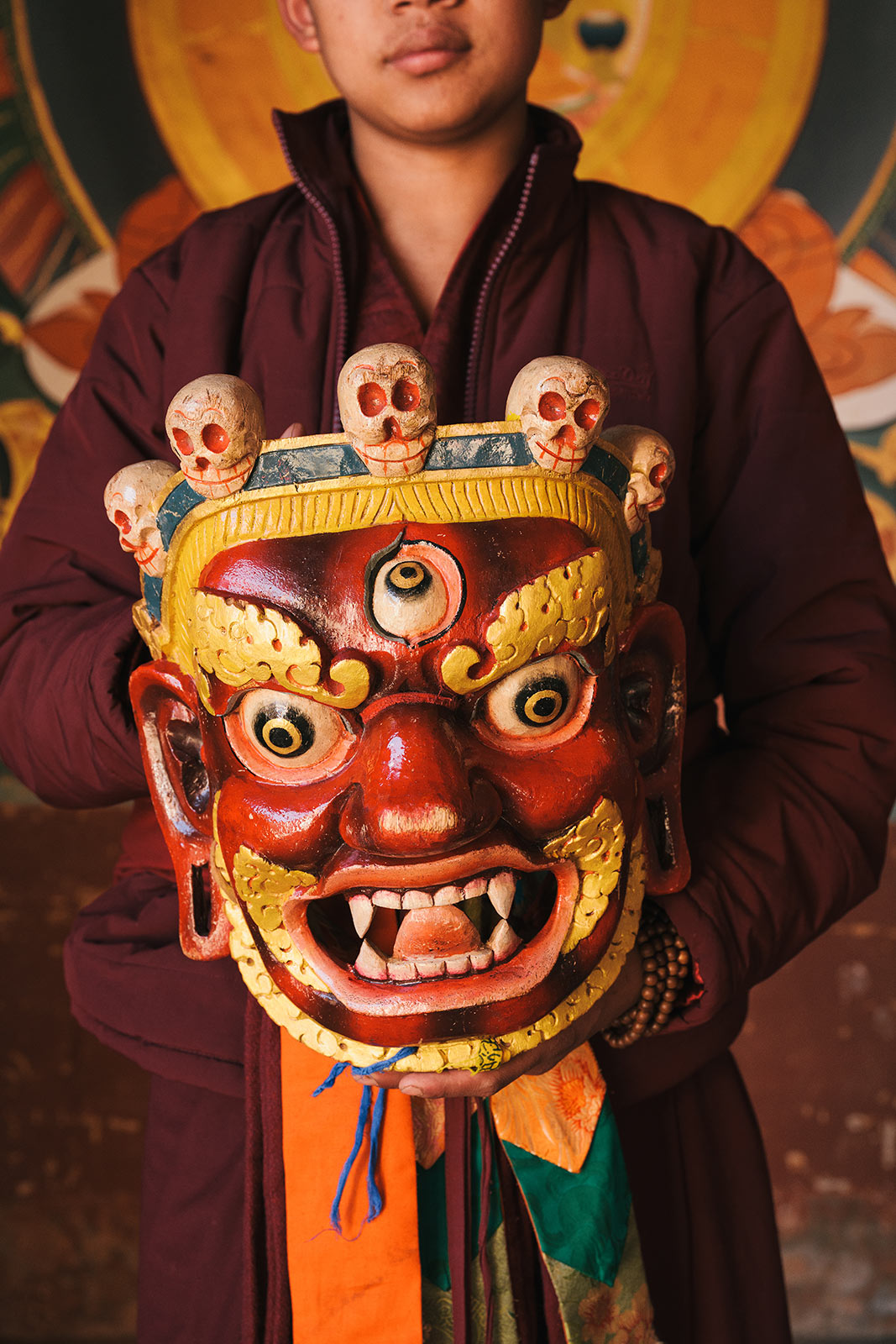
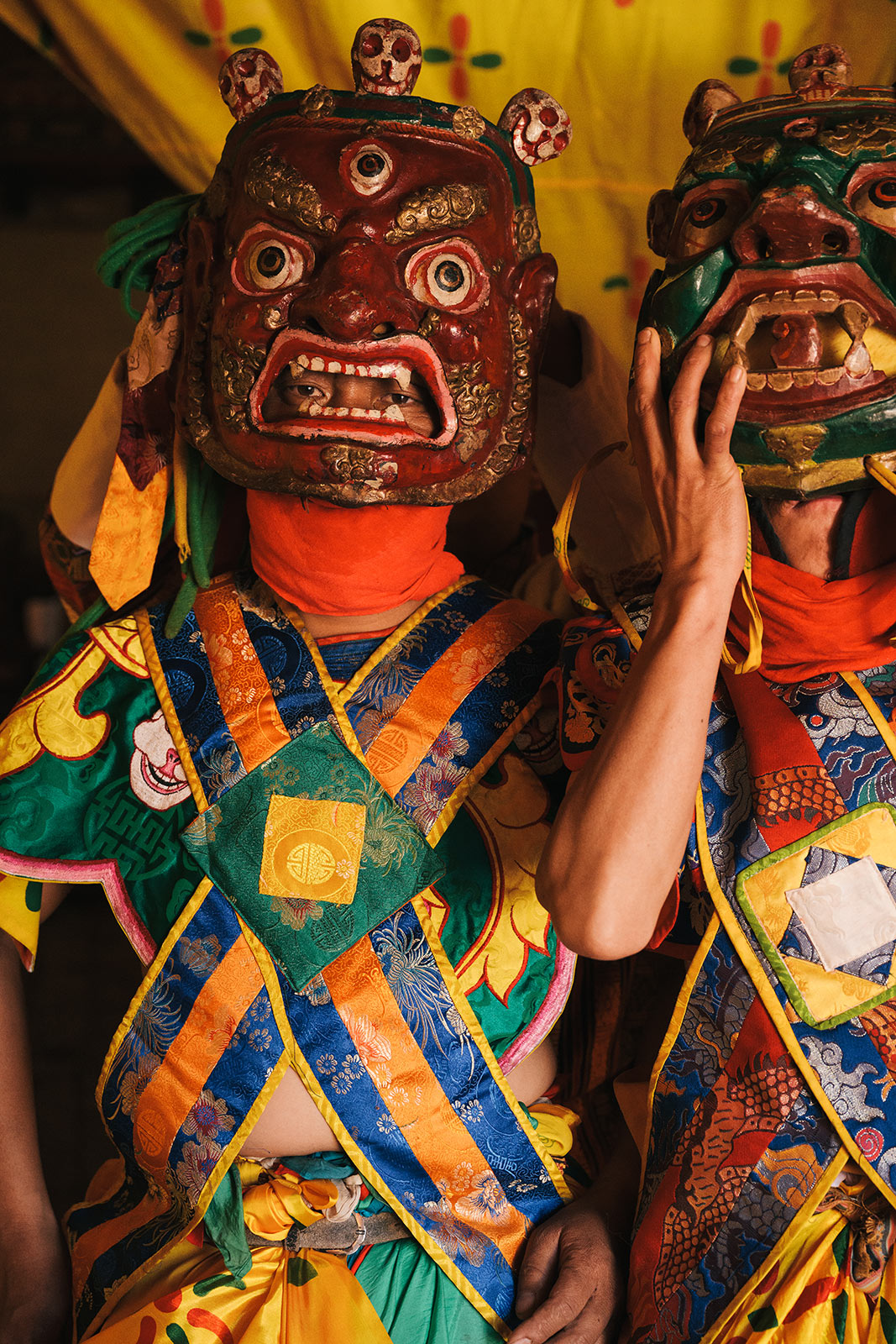
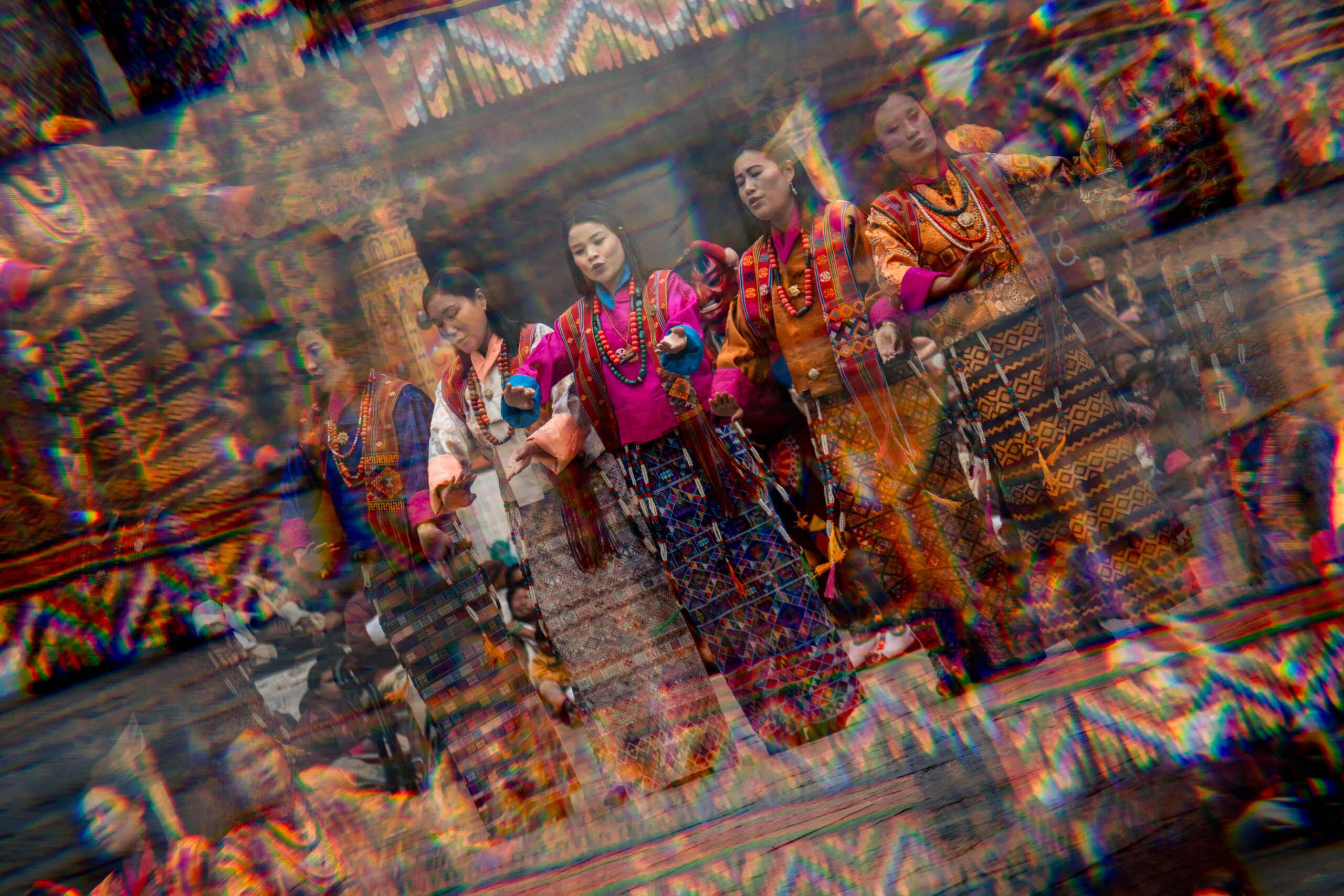
A tshechu is not a performance. It is a religious observance that happens to be extraordinary to watch — masked dances performed by monks and laymen over several days in the courtyard of a dzong, each one enacting a teaching rather than telling a story.
Why Paro
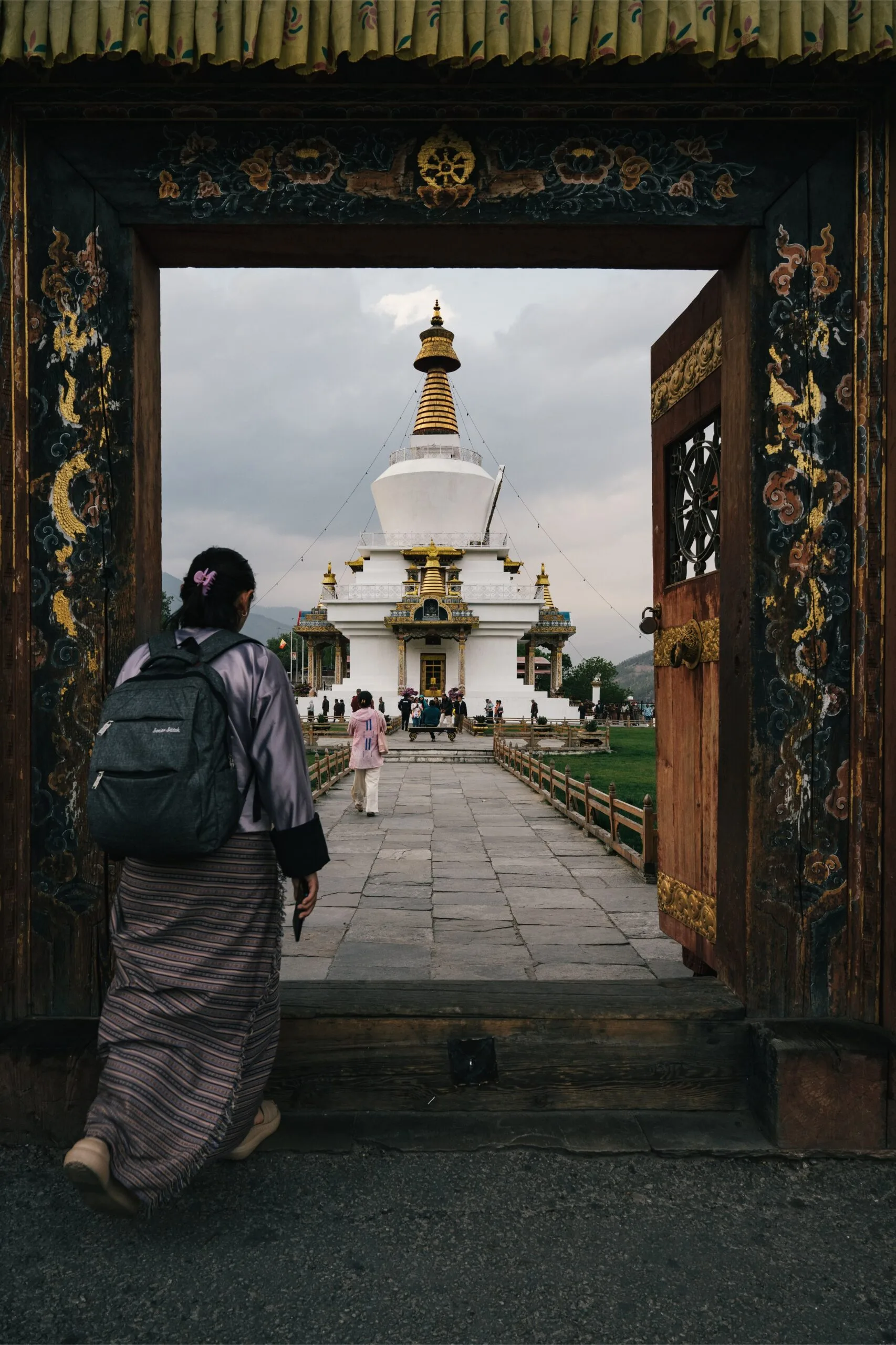
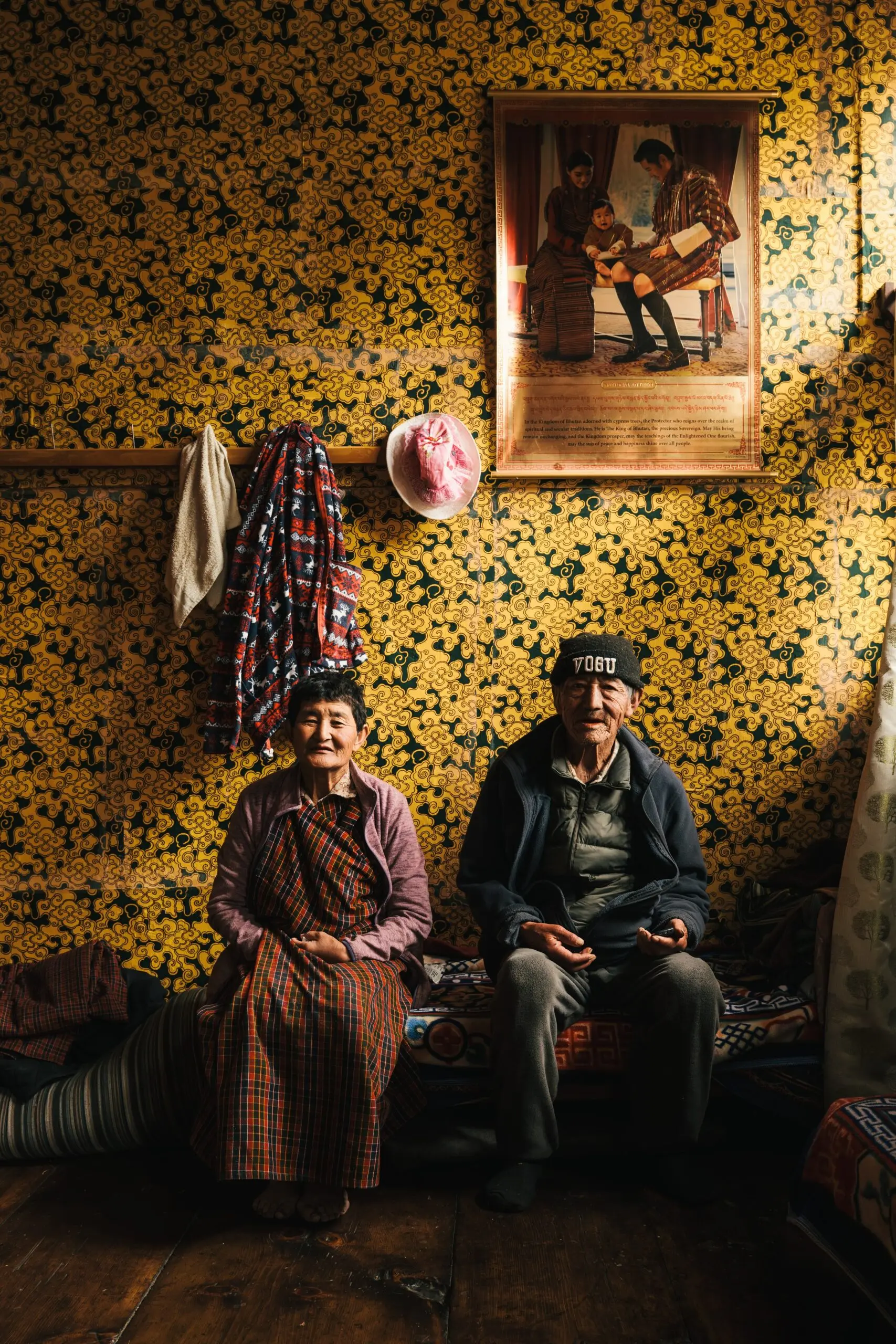
Paro Tshechu is the largest and the most attended. Families travel across the country for it, in their finest kira and gho, and the crowd is as much the event as the dancing.
The Thongdrol
On the final morning, before first light, an enormous applique thangka is unfurled down the face of the dzong. It is displayed only for a few hours and rolled away before the sun touches it. The word thongdrol means liberation on sight.
Crowds gather from around three in the morning. It is cold, it is dark, and it is the single most affecting thing most of our guests see in Bhutan.
Planning around it
Tshechu dates move with the lunar calendar and are confirmed only a few months ahead. Hotels in the Paro valley fill quickly once dates are announced, so we hold rooms provisionally for guests who want to build a journey around the festival.