Rare spotting
In a world increasingly shaped by speed and noise, Bhutan remains a sanctuary. Its ancient forests a hush of green mystery, its mountains a realm where myths still breathe. Here, nature thrives on its own terms. Beyond the dzongs and monasteries, beyond the prayer flags and high-altitude valleys, lies a deeper enchantment: Bhutan’s rare and wild creatures. From the elusive red panda to the majestic black-necked crane, Bhutan offers wildlife encounters that are not just thrilling, but transformative.
A sacred pact with nature
Bhutan is the world’s only carbon-negative country and environmental conservation is enshrined in its constitution: over 70 per cent of the country is covered in forest, and a minimum of 60 per cent must remain so for all time. Add to this a cultural ethos that views animals as sentient beings, and you have a landscape where wildlife is not just protected but revered. Unlike other destinations where safaris are scheduled spectacles, wildlife in Bhutan reveals itself slowly, silently, to those who wait and watch with patience.
The elusive red panda
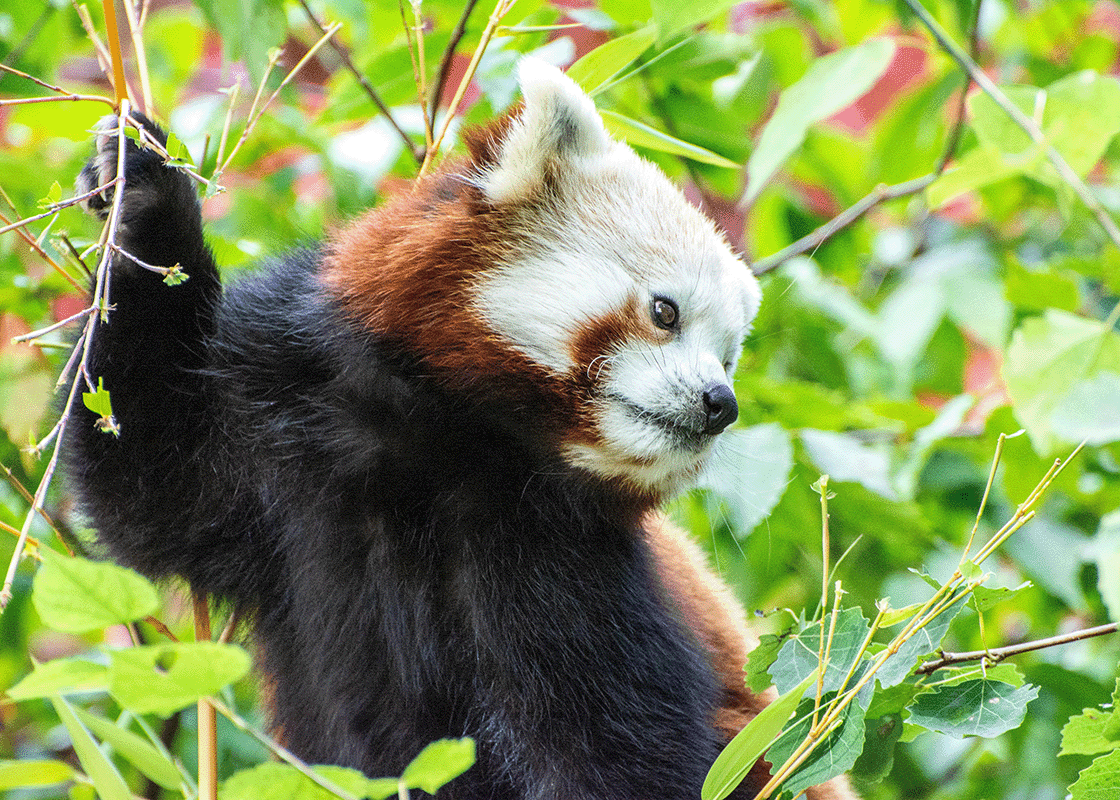
One of Bhutan’s most prized sightings, the red panda is shy, solitary and almost mythic in its elusiveness. Dwelling in the temperate forests of eastern Bhutan, particularly in regions like Bumdeling and Phrumsengla National Park, this fire-coloured creature is often glimpsed during quiet dawn treks when the mists still cling to the mossy branches of oak and rhododendron trees.
Spirit bird of the valley
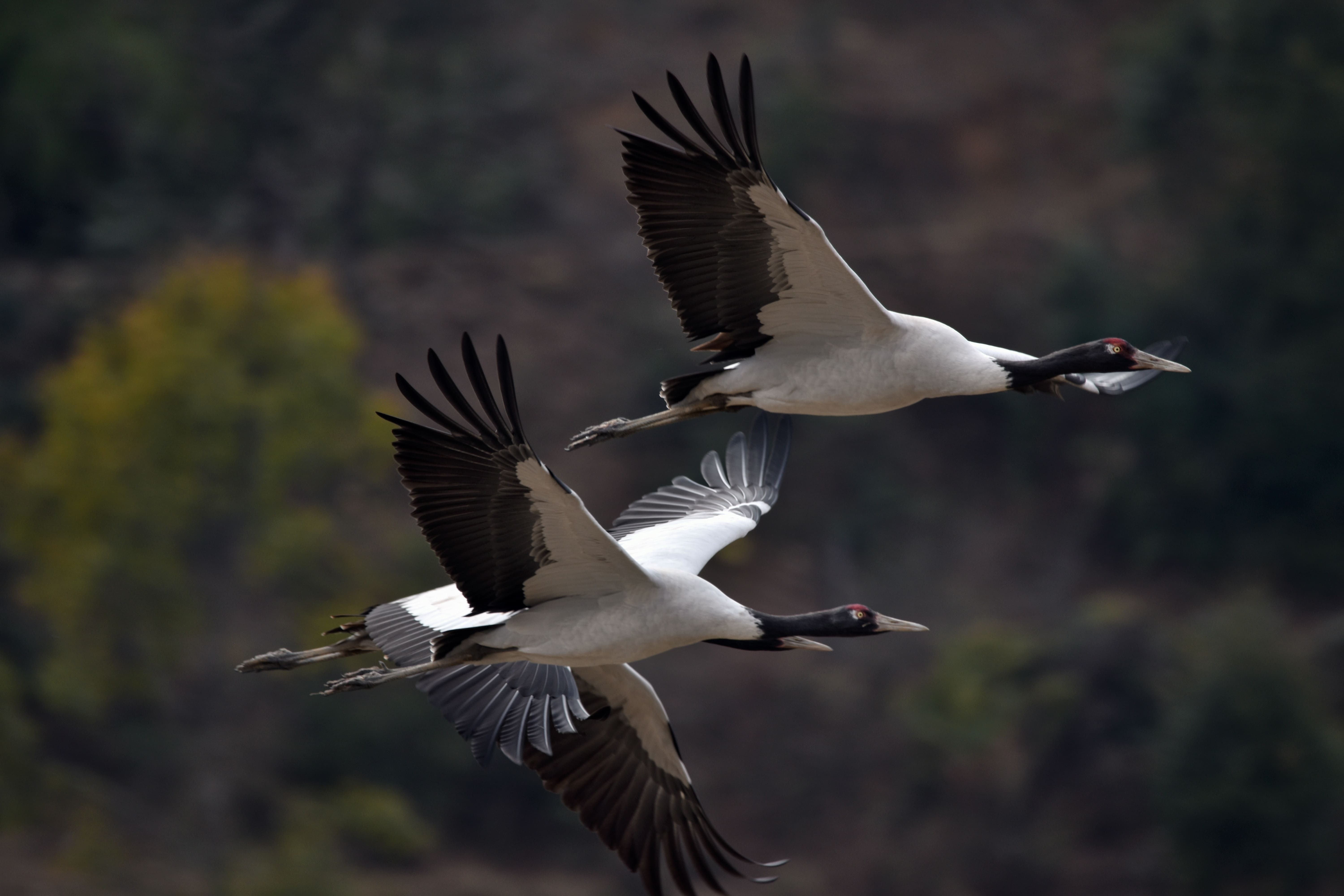
In Bhutanese folklore, the black-necked crane is sacred. It is said to be the reincarnation of revered monks, and its arrival each winter is celebrated with dance, prayer and reverence. Each year, around 600 of these elegant migratory birds arrive from the Tibetan Plateau, making the remote Phobjikha Valley their winter home.
Standing tall with ash-grey plumage, a black neck, and an unmistakable red crown, the black-necked crane is an emblem of grace. Guests are often invited to participate in community-led festivals like the Black-necked Crane Festival, held every November, where nature and culture meet in joyous harmony.
Wild encounters
While the red panda and black-necked crane often steal the spotlight, Bhutan is home to a host of other rare species. The golden langur, with its silken fur and soulful eyes, inhabits the subtropical forests of central Bhutan. Its spiritual significance, combined with its striking appearance, makes every sighting a moment to remember.
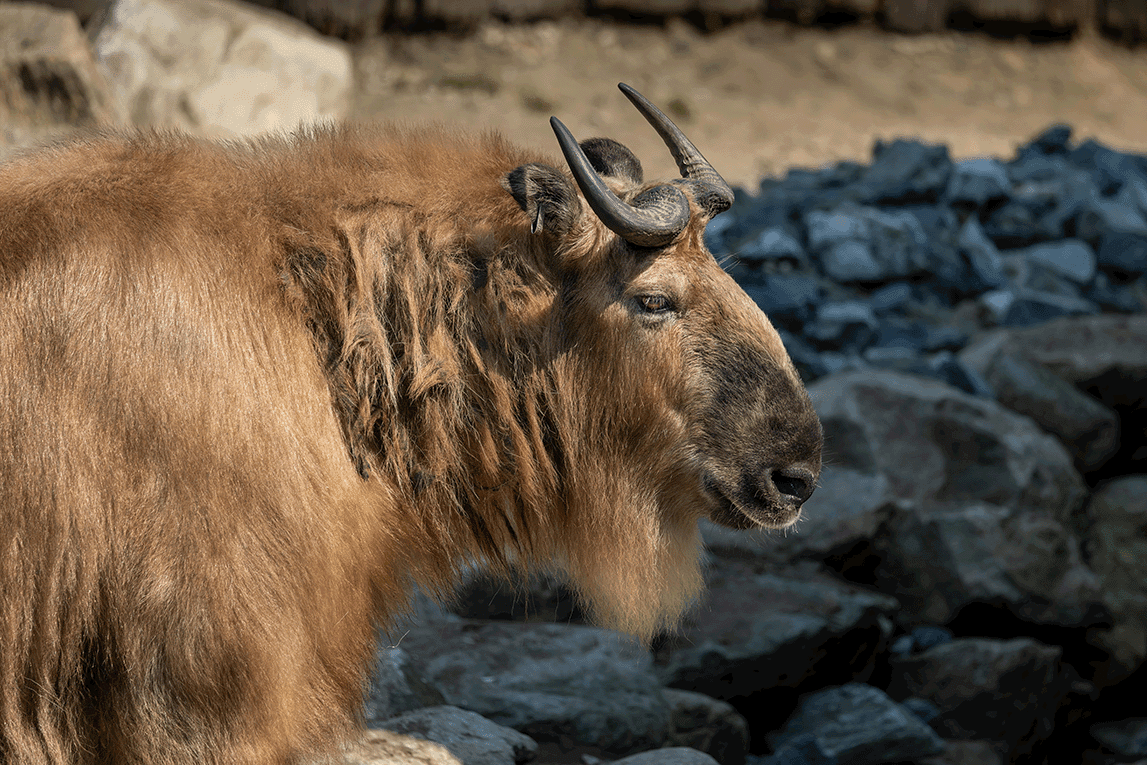
The highland forests and alpine meadows are also home to the Himalayan takin, the national animal of Bhutan. This odd-looking, almost prehistoric creature is a cross between a goat and an antelope, and legends claim it was created by the tantric saint Drukpa Kunley in a magical feat.
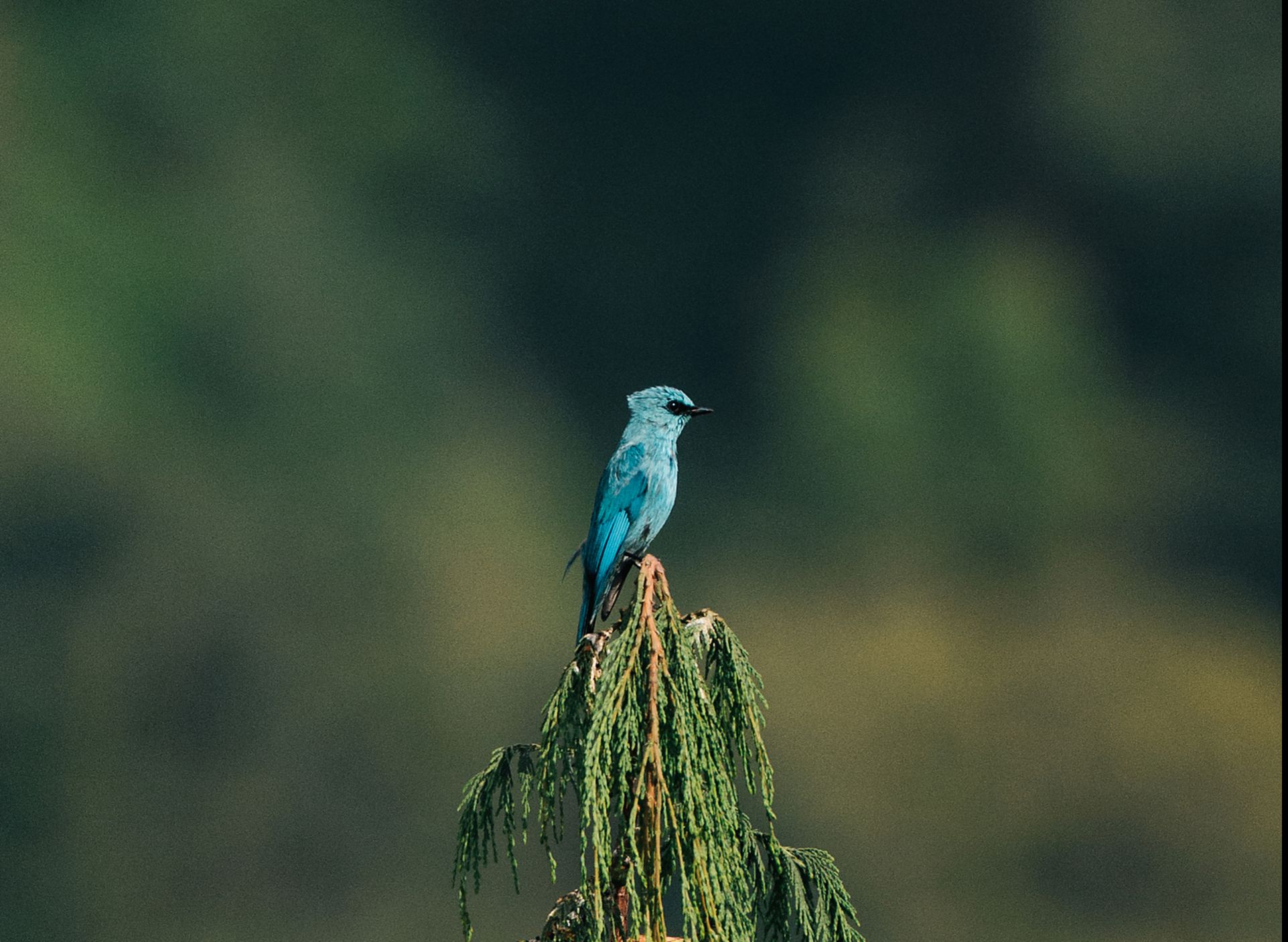
The elusive snow leopard is also seen in the wild northern regions like Jigme Dorji National Park, though this usually requires a multi-day expedition with specialist trackers. For birdwatchers, Bhutan is paradise: over 700 species flutter through its canopies, from vibrant Himalayan monals to the rare white-bellied heron.
Floral wonders
The country’s flora is just as dramatic. Spring and summer bring bursts of wild rhododendrons, magnolias, edelweiss and orchids, especially in regions like Haa, Bumthang and the Dochula Pass. Bhutan is home to over 300 species of medicinal plants, many of which are used in traditional healing practices.
You may not spot a red panda every time, or catch a crane mid-flight, but in every moss-laden tree, every distant birdsong, and every pawprint in the mud, you feel the wild magic that few places on earth still hold. Here, nature doesn’t perform on cue. It welcomes you, slowly and silently, into its ancient rhythm: where the rare still roam free.