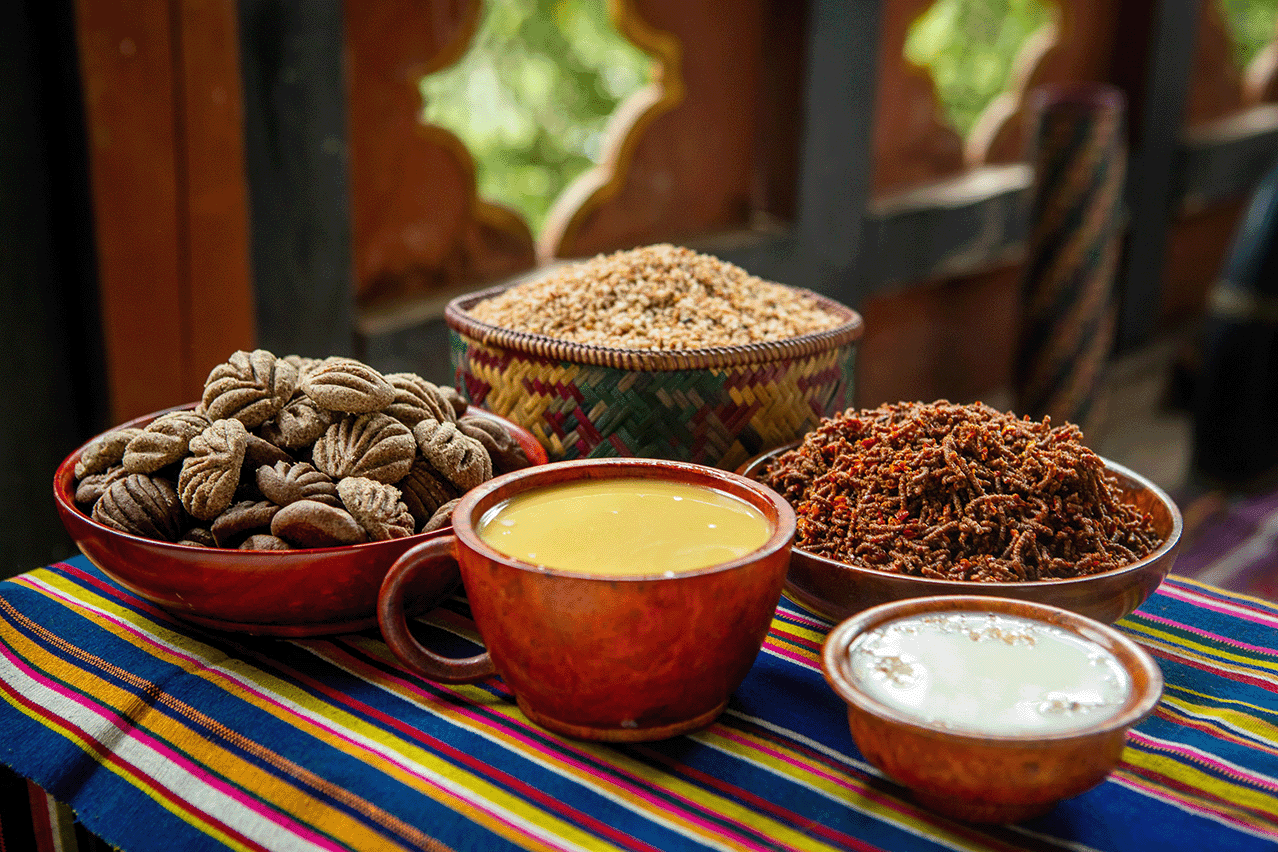
Farm-to-table feasts
The kingdom of Bhutan enchants travellers not just with its stunning landscapes and spiritual depth but also with a culinary heritage as vibrant and untouched as its mountains and monasteries. While often overshadowed by the kingdom’s rich culture and dramatic scenery, Bhutanese gastronomy is a revelation: bold, elemental, and deeply rooted in tradition.
Flavours of chillies and cheese
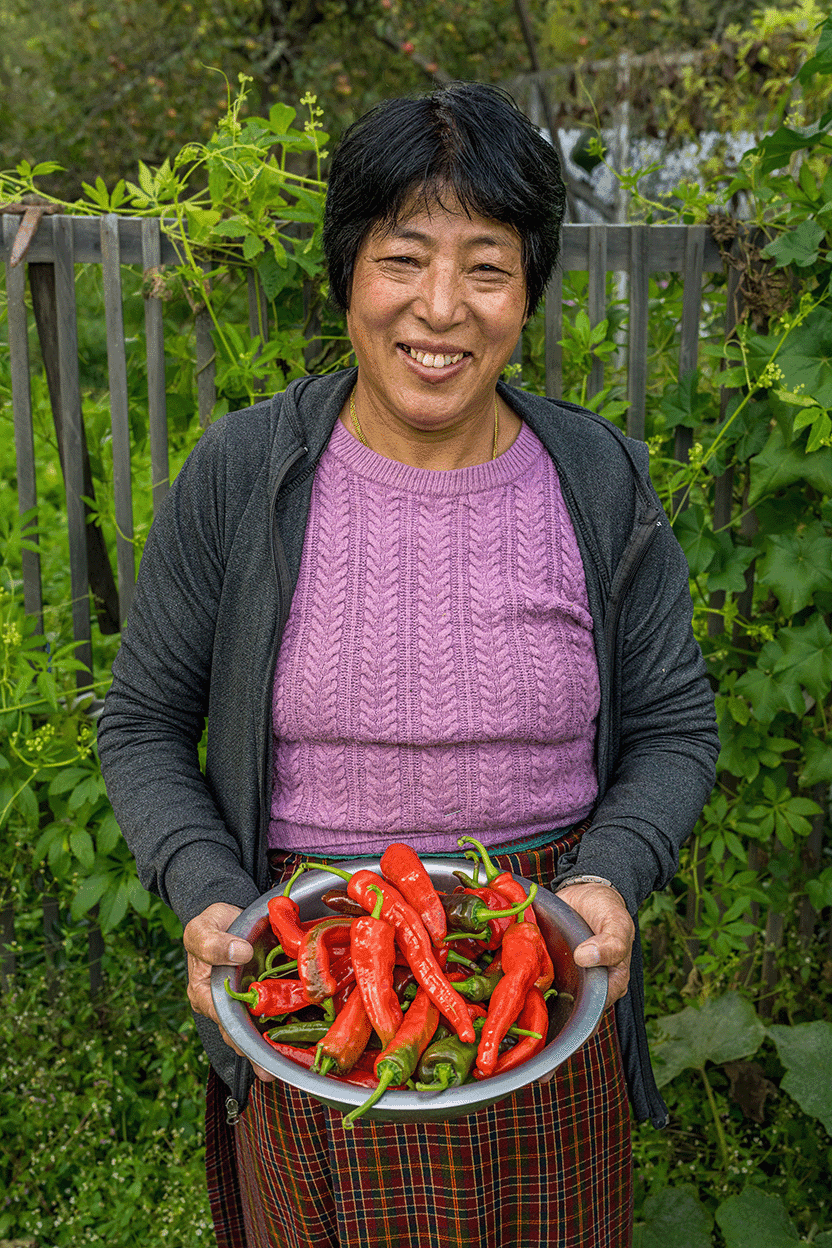
Bhutanese cuisine is defined by its unapologetic use of chilli: Ema datshi, the national dish, a fiery stew combining green or red chillies simmered in yak or cow cheese. Fermented bamboo shoots, dried turnip leaves and sun-dried meats feature prominently, adding richness to otherwise simple preparations. Local chefs often describe the Bhutanese cuisine as ‘meditative,’ shaped by ingredients that are seasonal, wild and organic.
Farm tastings and mountain-to-table menus
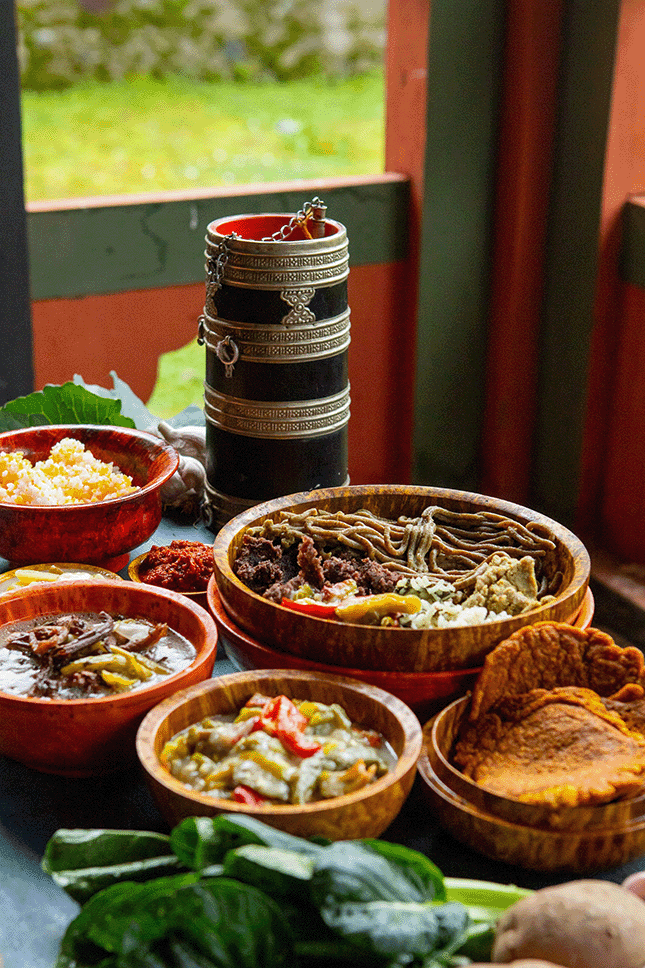
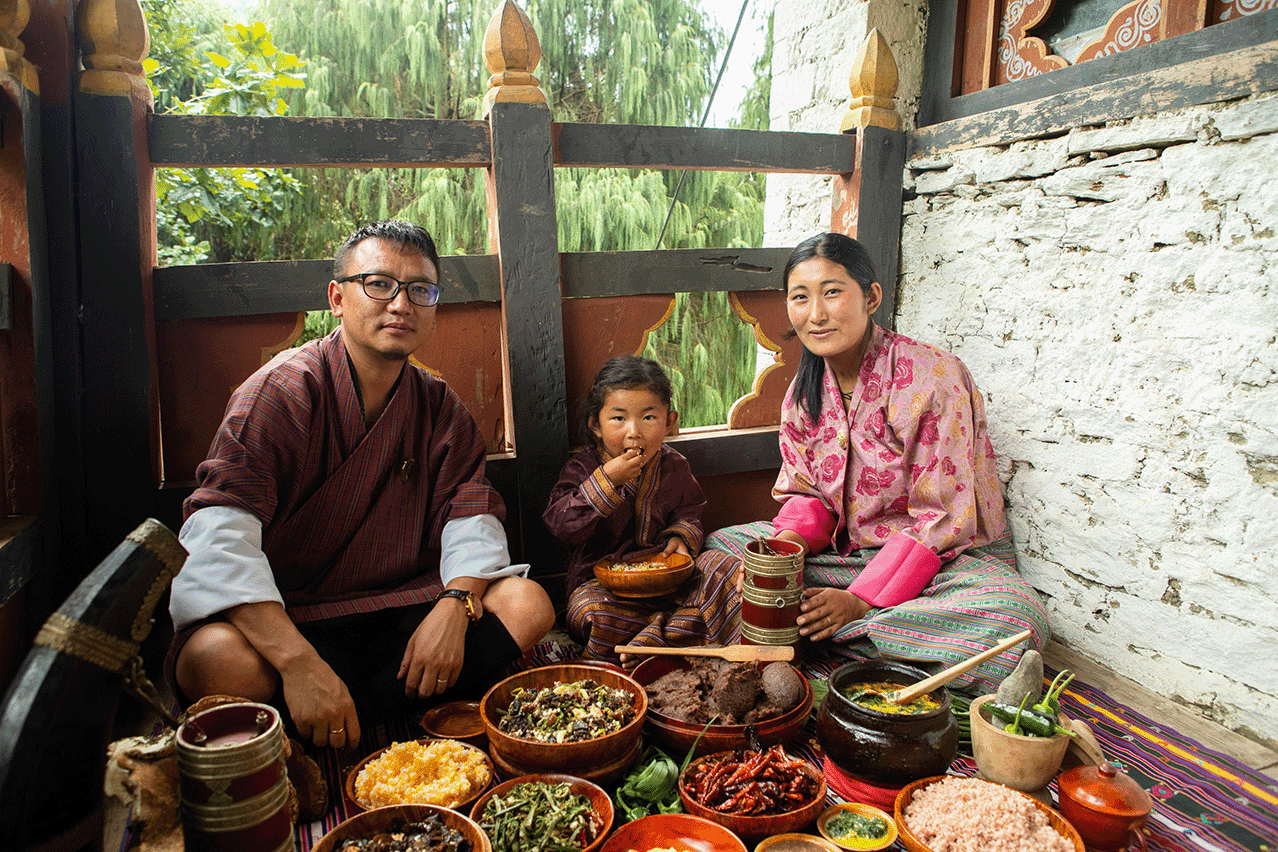
For luxury travellers, Bhutan’s culinary scene is about authenticity served with a touch of exclusivity. Imagine a private lunch hosted in a centuries-old farmhouse, where the matriarch serves hand-rolled buckwheat noodles and yak butter tea in heirloom earthenware.
Food trails across the country reveal the deep connection between the land and the plate. In Bumthang, visitors can taste buckwheat pancakes, fresh yak cheese and locally brewed ara (a distilled rice liquor) in traditional farmhouses. The region is also famous for honey, apple cider and hand-rolled noodles.
Local markets, such as those in Thimphu or Paro, provide an explosion of colour and aroma: fresh cardamom, wild ferns, mountain garlic, yak butter and seasonal mushrooms. Sharing a meal with a Bhutanese family or learning to make hoentay in a village kitchen offers more than just flavour — it creates a memory that stays with you.
Ingredients are either foraged from the wild or grown on-site, while chefs work with local farmers to preserve rare seeds and revive indigenous crops—like jangbali am (a native red corn) and hoentay (buckwheat dumplings filled with spinach and local cheese).
Festivals and feasts
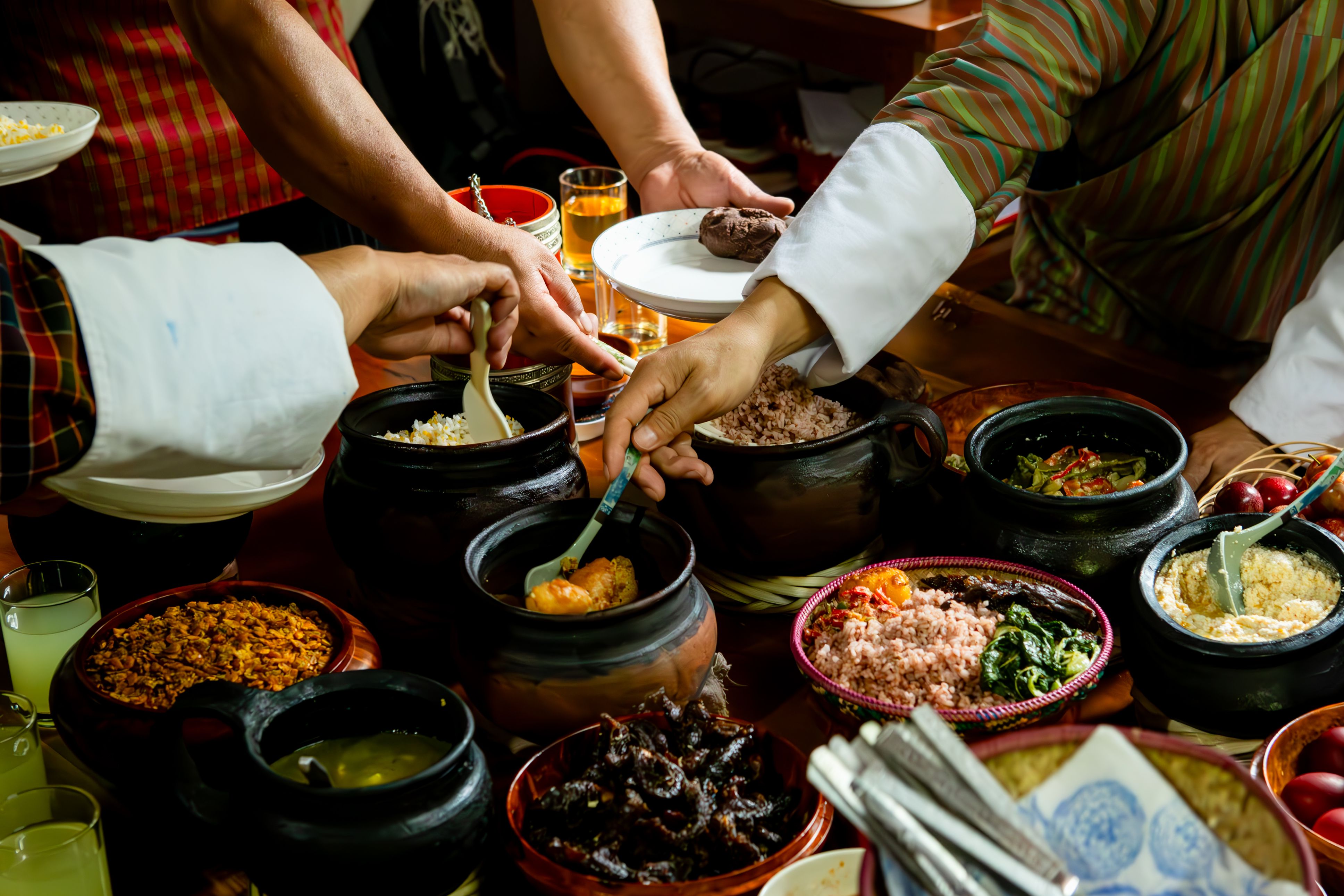
In Bhutan, food is not just sustenance, it’s spiritual. Offerings to local deities, monks, and even nature spirits begin and end with food. Butter sculptures and sweet rice form part of temple rituals. During tshechus (religious festivals), communities come together to cook ceremonial dishes in massive cauldrons. For visitors, these moments offer immersive windows into Bhutanese hospitality.
Bhutan’s first organic food movement gave rise to curated culinary trails—from mushroom-picking in Ura Valley to highland cheese tastings in Bumthang. For the gourmet traveller, the country is a treasure map of untapped flavours. The region’s gastronomy is best experienced as part of a wider sensorial journey. Picture a post-hike picnic set amidst rhododendron forests, featuring smoked trout, pickled fern tips, and wild strawberry compote. Later, a twilight dinner beneath Himalayan stars, where stories are shared of ancient kings dining on nettle soup and maize cakes.
In Bhutan, food is heritage, reverence, and rhythm; all at once. It’s a journey of flavour, story, and tradition—still untouched by time.