A rare window into Bhutan’s most sacred festival
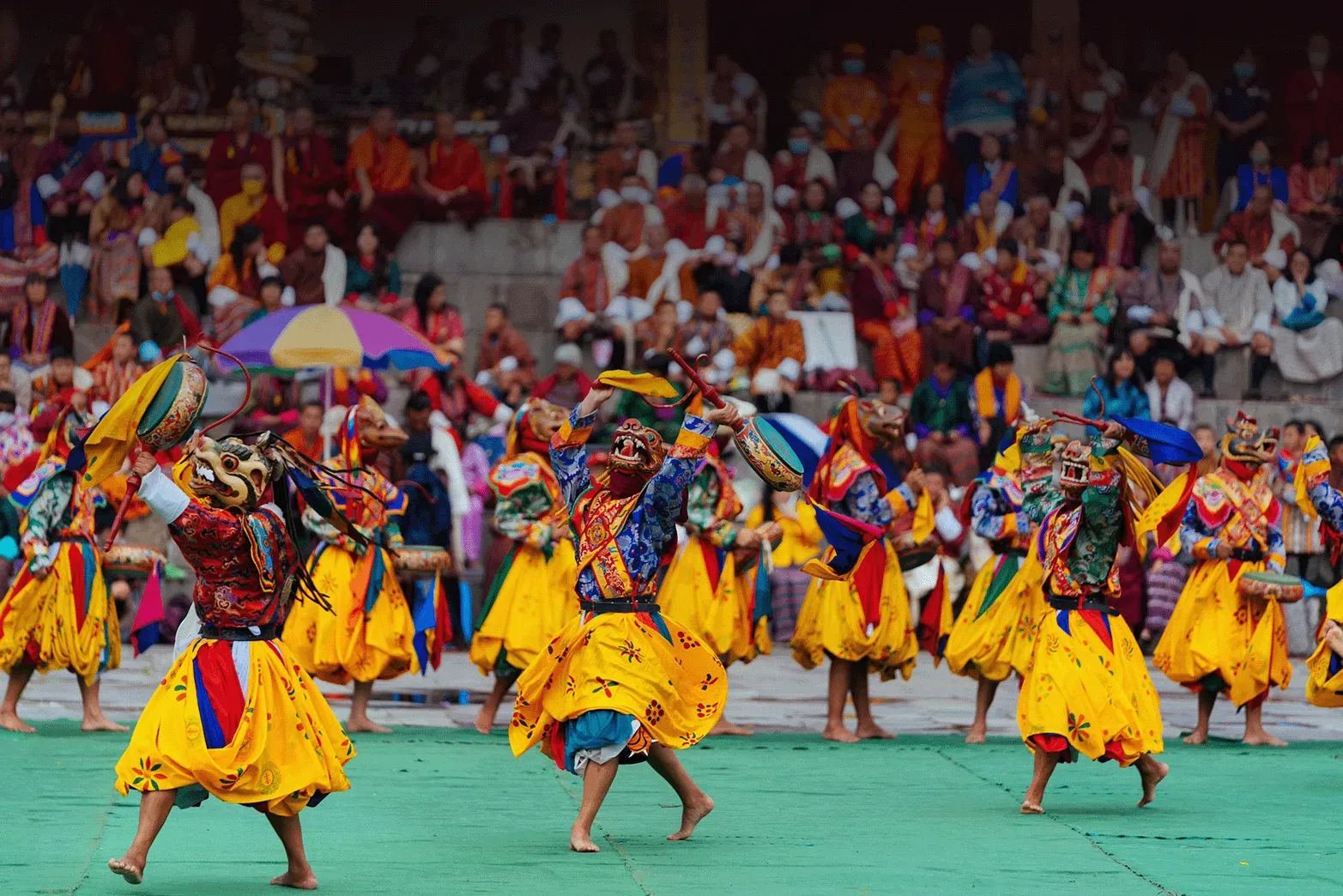
Each spring, high in the eastern Himalayas, Bhutan reveals its most profound cultural expression. The Paro Tshechu is not simply a festival. It is a living spiritual practice, where sacred masked dances, ancient chants, and community rituals come together to preserve centuries of tantric Buddhist tradition.
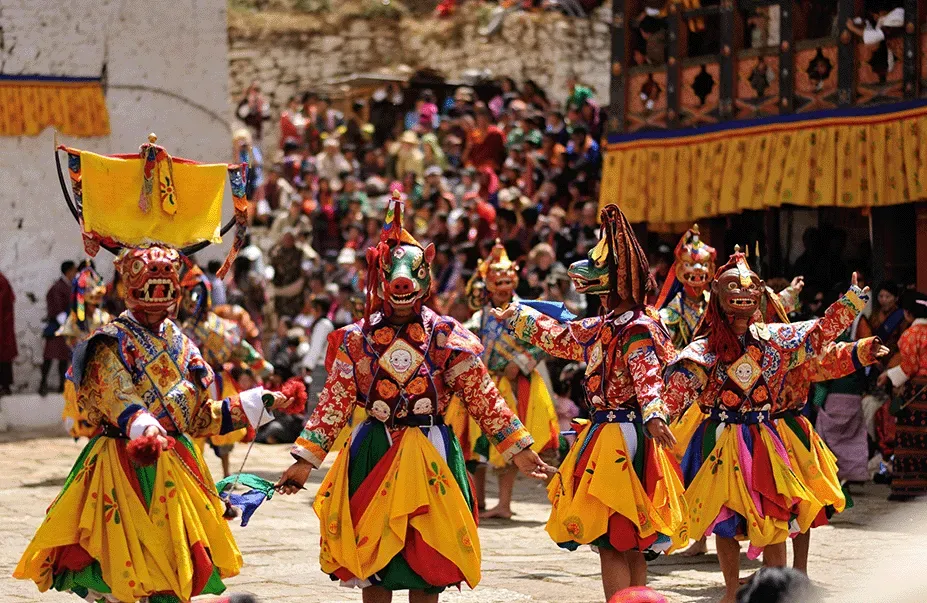
Held in the courtyard of Rinpung Dzong, the festival offers travellers rare insight into a culture that remains deeply intact — not staged for visitors, but lived with devotion and continuity.
Paro Tshechu 2026: Dates that matter
Following the Bhutanese lunar calendar, Paro Tshechu in 2026 takes place from March 29 to April 2, with its most spiritually significant moment unfolding before dawn on the final day.
In the early hours of April 2, monks gather in silence to unveil the Thongdrol, a colossal embroidered thangka depicting Guru Rinpoche. Witnessed in darkness and stillness, this sacred moment is believed to offer liberation upon sight.
By sunrise, the tapestry is carefully rolled away, unseen again for another year.
Understanding the festival beyond the surface
Tshechu translates to “Day Ten”, marking the birth anniversary of Guru Rinpoche, the 8th-century saint who introduced tantric Buddhism to Bhutan.
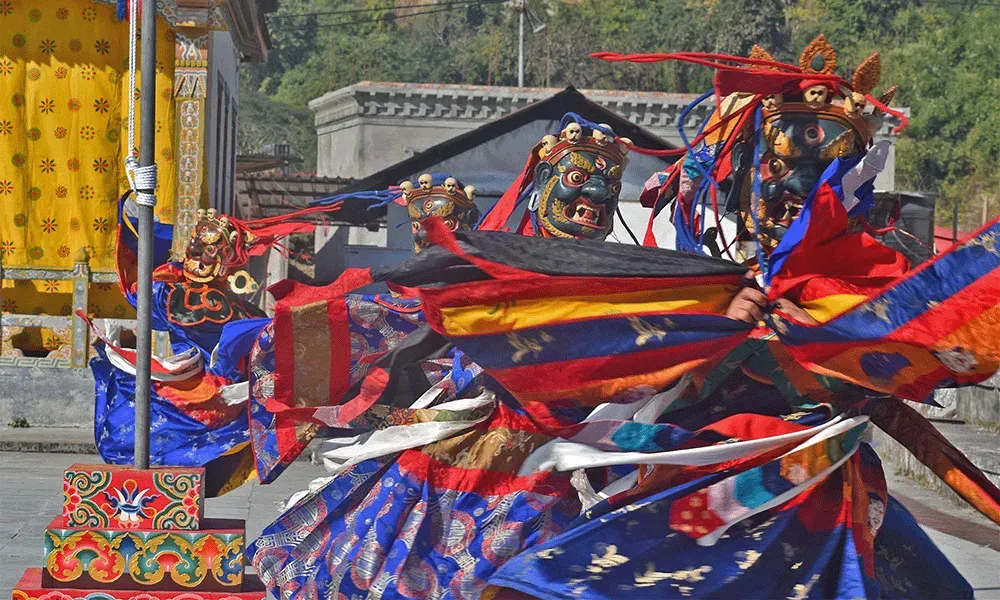
The masked dances, known as Chams, are not performances. Each movement is a ritual meditation, believed to cleanse karma and impart spiritual merit.
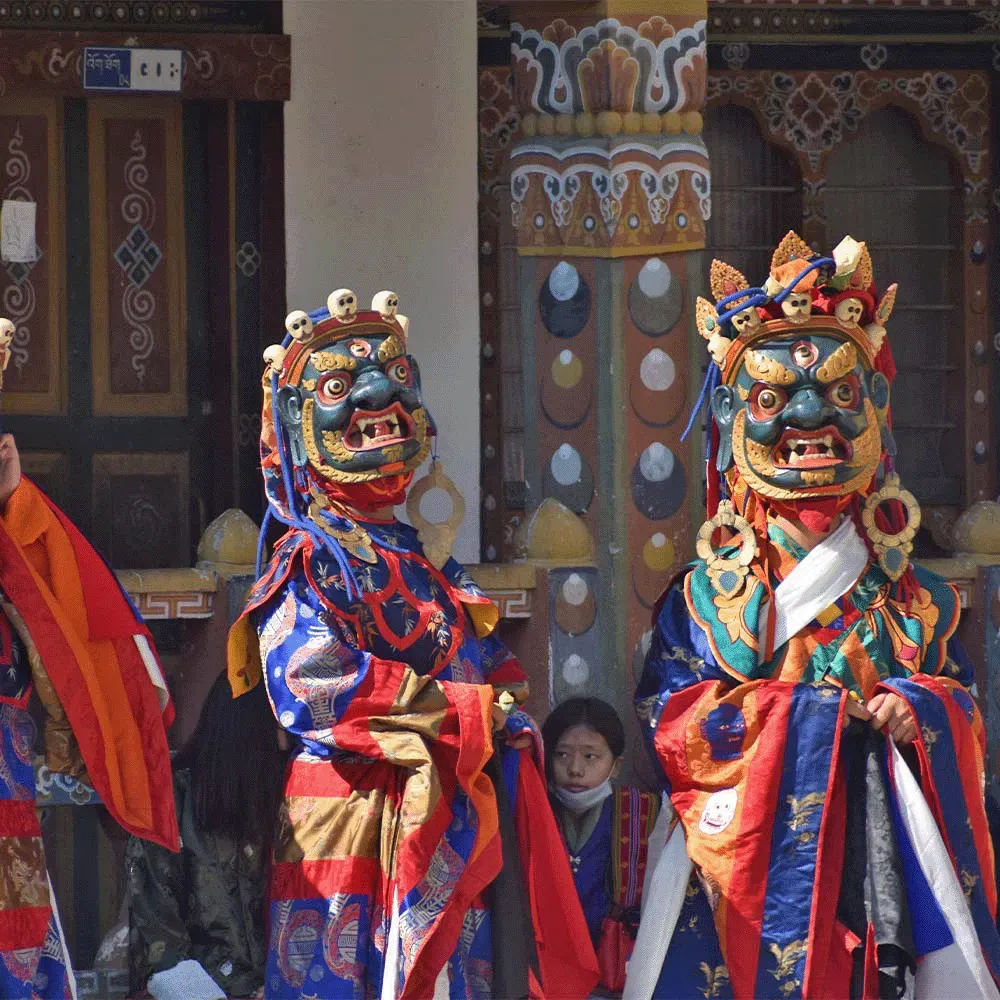
Among the most powerful is the Dance of the Lords of the Cremation Grounds, where skeleton-masked monks embody purification and impermanence. Other dances explore moral accountability and the nature of rebirth.
Why context transforms the experience
The best Bhutan tour packages understand that Paro Tshechu is not about standing in a crowd. It is about context, timing, and cultural fluency. Knowing when to arrive, where to sit, how to interpret each ritual, and how to move respectfully through sacred spaces transforms observation into understanding.
This is where Bhutan luxury tours quietly distinguish themselves — not through excess, but through access and intention, balancing the intensity of the festival with quieter spiritual encounters across the Paro Valley.
Beyond the festival courtyard
The Paro Valley offers layers of discovery. Kyichu Lhakhang provides a serene counterpoint to the festival’s energy, grounding visitors in the same spiritual lineage that animates the Tshechu.
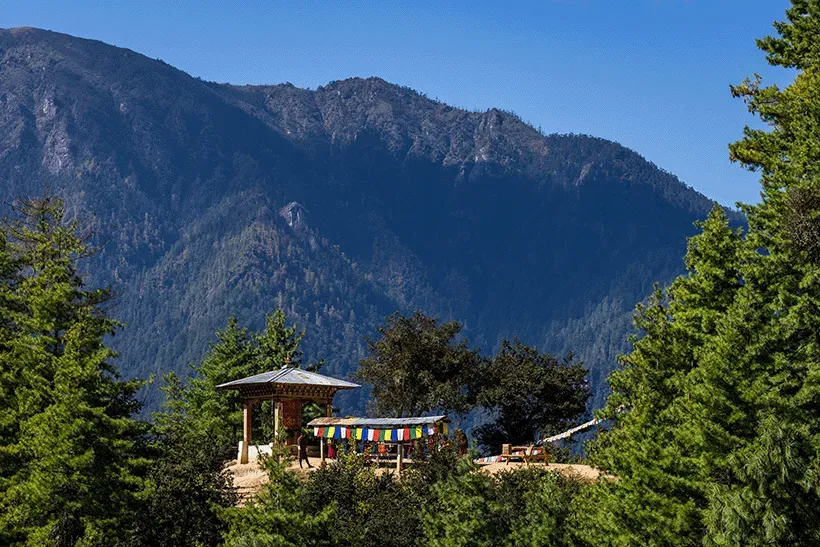
Journeys to Chele La Pass reveal alpine meadows and Himalayan vistas, while Taktsang Monastery challenges both body and spirit, rewarding the ascent with stillness and perspective.
Artisans’ workshops, heritage museums, and intimate lodges reveal how Bhutan’s traditions continue through living culture rather than preservation behind glass.
Travelling with purpose in Bhutan
Bhutan’s “High Value, Low Volume” tourism model ensures that cultural preservation remains central. Visitor contributions support local communities, environmental conservation, and the safeguarding of traditions that make events like Paro Tshechu possible. This festival offers more than a calendar event. It is an entry point into Bhutan’s deeper rhythms, where spirituality, culture, and daily life remain inseparable.For travellers seeking meaning rather than spectacle, the festival becomes a gateway. One that leads not just through Bhutan’s most sacred celebration, but into a way of travelling defined by respect, depth and enduring connection.
Paro Tshechu offers more than a calendar event. It is an entry point into Bhutan’s deeper rhythms — where spirituality, culture, and daily life remain inseparable.